Trump determined to end Middle East war soon, senior adviser tells Euronews
White House adviser Massad Boulos told Euronews that President Trump is determined to end the Middle East war soon, though he gave no specific timeline. He said resolving Iran's nuclear ambitions is a precondition for ending the conflict.
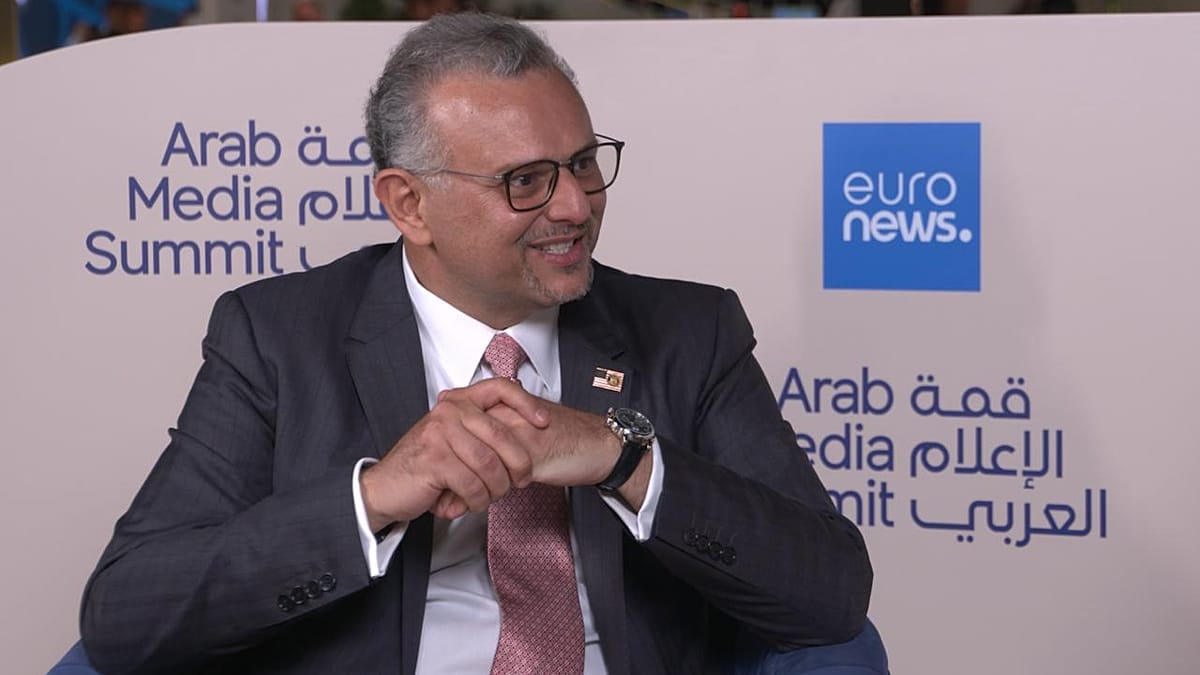
Massad Boulos, US President Donald Trump's senior adviser on Arab and Middle Eastern affairs, told Euronews at the Arab Media Summit in Dubai that Trump believes the Middle East war will end soon and is actively working toward that goal. Boulos declined to specify a timeline, saying the decision on timing rests with the president alone.
Boulos identified Iran's nuclear program as the key issue that must be resolved before the war can end, reiterating that Washington will not allow Tehran to obtain a nuclear weapon. He said Trump has given negotiations a chance and shown patience, expressing hope that peace will ultimately prevail.
Past achievements and future plans
Describing Trump as "the president of peace," Boulos claimed he has already resolved eight conflicts worldwide and is now working on a ninth and tenth. As an example, he cited the Pakistan-India conflict, claiming Trump's involvement saved several million lives, though he did not elaborate on the figures or name the other conflicts.
Boulos also said expansion of the Abraham Accords, paused since the 2020 election, would resume once the current war is resolved. He emphasized strong cooperation with Gulf states including the UAE and Qatar, alongside Saudi Arabia, Egypt and Jordan, calling them "true partners."
Sudan as a priority
Boulos named Sudan as the administration's most urgent humanitarian concern, saying 35 million people there need aid, with 25 million living in famine-like conditions. He said the US has provided more than $3 billion in humanitarian assistance since the war began, remaining the largest contributor, and is pursuing an arms embargo through the UN Security Council.
On domestic politics, Boulos noted that Trump is campaigning heavily ahead of the midterm elections, but said the Iran war is unlikely to directly influence the outcome, since American voters tend to prioritize domestic issues.