Trump signs sweeping Russia sanctions bill into law
US President Donald Trump signed a broad new sanctions package targeting Russia on Friday, aimed at cutting off revenue funding Moscow's war in Ukraine. The bipartisan bill honours the legacy of the late Senator Lindsey Graham.
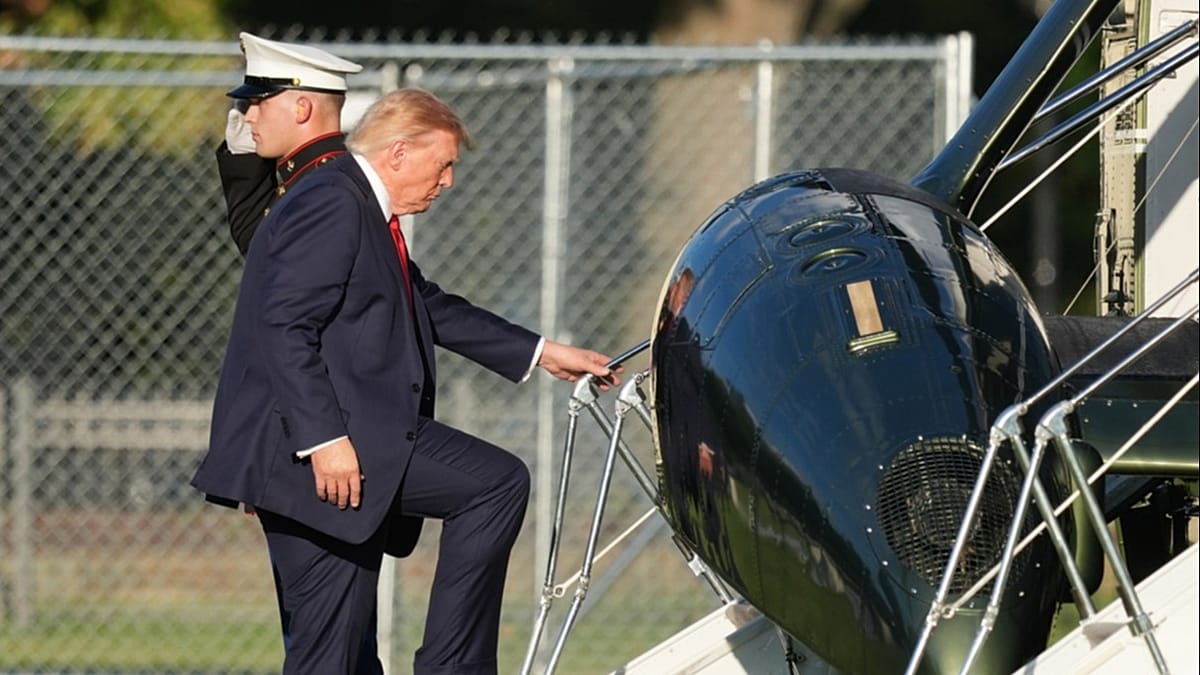
US President Donald Trump signed into law on Friday a sweeping sanctions package targeting Russian officials and key pillars of the country's economy, aimed at punishing and pressuring Moscow over its ongoing war against Ukraine.
The legislation is seen as a final legacy achievement of the late Senator Lindsey Graham, a close ally and friend of Trump who died unexpectedly in July shortly after returning from a trip to Ukraine. Worked on for more than a year, the bill passed Congress with wide bipartisan margins — 86-11 in the Senate and 262-159 in the House.
What the sanctions target
Co-drafted by Senator Richard Blumenthal, the bill sanctions Russian officials, banks, and the shadow fleet of tankers the Kremlin uses to evade existing Western sanctions and keep its energy exports flowing.
Senator Darline Graham, appointed to complete her late brother's Senate term through 3 January 2027, said in a statement that Lindsey Graham believed the bill would help end the war by squeezing Putin economically and pushing his customers to reconsider their ties with Russia. Blumenthal, speaking after the House passed the bill on Wednesday, said Putin understands only force and strength.
Tariff powers and criticism
The law also gives Trump authority to impose tariffs of up to 100% on the top five importers of Russian oil or natural gas, with an exception for countries importing less than 15% of Russia's gas exports that have taken significant steps to cut those imports further.
Despite strong support in Congress, some Democratic lawmakers criticised the bill — some wanted a tougher approach to Russia, while others warned Trump could use his expanded tariff powers to impose new levies on the European Union and other partners. House Minority Leader Hakeem Jeffries questioned granting the president such broad tariff authority.
The path to Trump's signature was not smooth: the White House needed assurance the president would retain enough flexibility over sanctions. Trump ultimately approved the bill after it included a provision he sought allowing his administration to extend sanctions on Iran for another five years.