Turkey uses espionage accusations to pressure government critics
Yonca Verdioglu Sik, an Istanbul-based project coordinator for Germany's Heinrich Böll Foundation, was briefly detained last week. Her husband is an opposition MP and journalist, and experts link the case to a long-running Turkish pattern of security charges against critics and staff of foreign organizations.
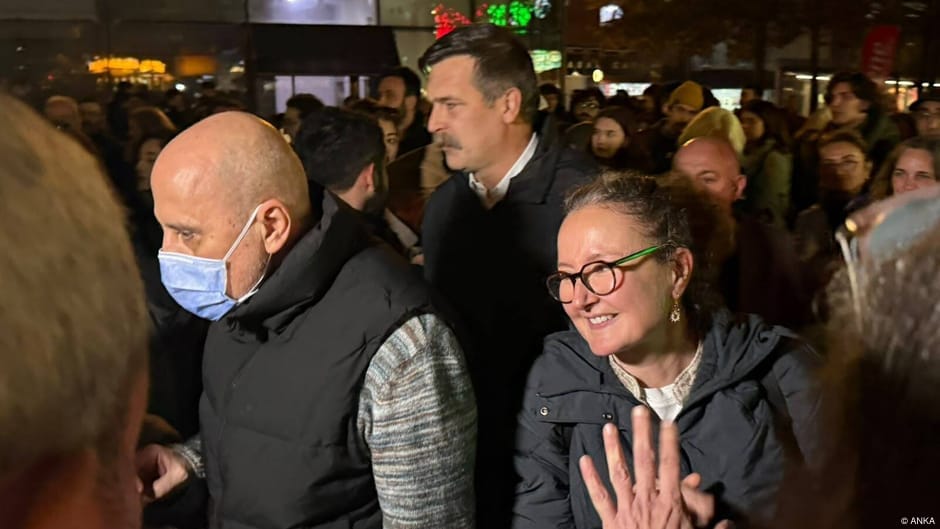
Turkish authorities detained and questioned Yonca Verdioglu Sik, a project coordinator for Germany's Heinrich Böll Foundation, at her Istanbul home in the middle of last week. The foundation is a German organization that backs projects on democracy and the rights of women, minorities and LGBTQ+ people. Her lawyer says she was accused of political and military espionage. The case has renewed attention on Turkey's use of espionage accusations against government critics.
Questioning and consequences
Verdioglu Sik, who was born and raised in Germany, has worked for the foundation for 18 years. According to interrogation transcripts published later, she was not asked about espionage. Prosecutors appeared more interested in the foundation's activities, and money transfers from the foundation to her bank account were discussed. After her release she learned she is also under a travel ban.
Her husband, Ahmet Sik, is an investigative journalist and a member of parliament for the left-wing Workers' Party of Turkey (TIP), and one of the government's harshest critics. He has recently been looking into a stock market scandal that allegedly benefited members of the ruling Justice and Development Party (AKP) and associates. Opposition critics conclude that, because he has parliamentary immunity, pressure is being applied through his wife.
A long-running pattern
Since the 2016 coup attempt against President Recep Tayyip Erdogan's government, espionage accusations have been made against journalists, opposition figures, human rights activists, and staff of foreign embassies and non-governmental organizations. Such cases have often ended in acquittals or convictions on other charges, sometimes years later. Well-known examples include journalist Deniz Yücel, philanthropist Osman Kavala, US pastor Andrew Brunson and former Istanbul mayor Ekrem Imamoglu.
Hakki Tas, a researcher at the German Institute for Global and Area Studies, says such cases have become more numerous in recent years. In his view they serve both domestic and foreign policy purposes: they deter locals from contact with foreign institutions and show other countries the limits of their activities in Turkey. He also points to an element of "hostage diplomacy," citing the Brunson case, in which Ankara proposed a swap for preacher Fethullah Gulen.