Uber tightens US driver background checks after sexual assault lawsuits
Uber introduces stricter driver background checks, expanding disqualifying criminal convictions, following a shareholder lawsuit alleging inadequate customer safety.
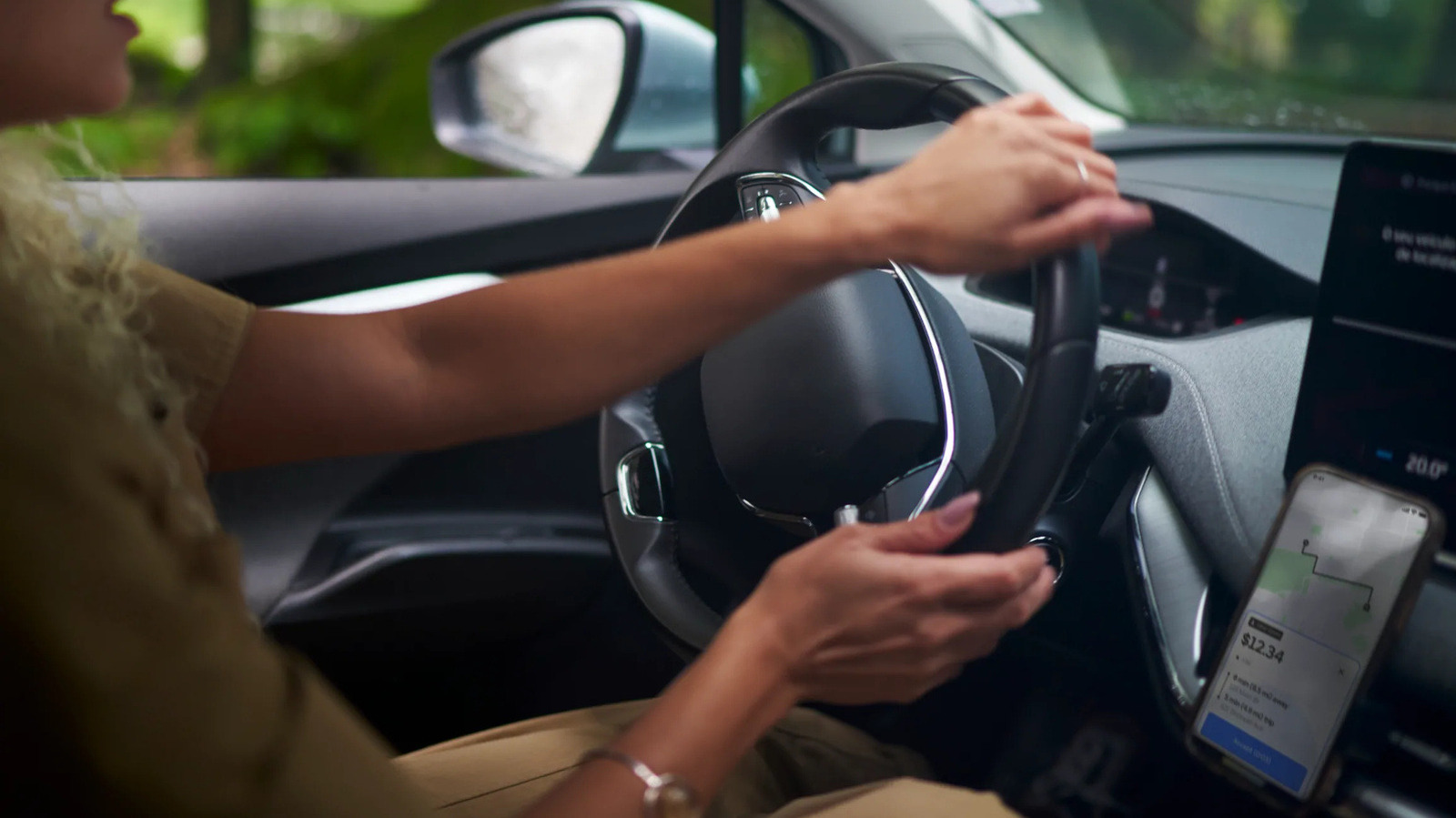
Uber has announced a new, more stringent background check process for its drivers, expanding the types of criminal convictions that will disqualify individuals from driving or delivering for the company. The move comes shortly after shareholders sued the company's board and executives, accusing them of failing to prioritize customer safety. The lawsuit claimed this lack of compliance led to sexual assault and harassment of Uber riders.
The company has faced numerous sexual assault lawsuits over the years, recently awarding $8.5 million in damages to settle a case where a 19-year-old alleged she was raped by a driver in Arizona. The updated background check, which Uber says is the strongest in the industry, takes effect Monday. Under the new rules, violent felonies such as armed robbery, aggravated assault, arson, child abuse and endangerment, strangulation, and stalking will disqualify drivers, even if the conviction occurred more than seven years ago.
Previously, Uber already barred individuals convicted of sexual assault, sex crimes involving minors, murder, kidnapping, and terrorism. Additionally, drivers convicted of DUI, speeding, reckless driving, theft, fraud, property damage, weapons offenses, harassment, or violating a protective order within the past seven years are ineligible. Convictions for driving without a license or without insurance in the past three years also lead to disqualification.
Uber is making a narrow exception for longtime drivers who have no serious interpersonal safety-related complaints. If their felony conviction is over 15 years old and not sexual in nature, they may continue driving. The company stated, "We believe this is the right thing to do for drivers who have rebuilt their lives and demonstrated good behavior on and off the Uber platform." This exception applies to approximately 2,000 drivers nationwide.
Uber uses third-party background check providers that search federal, state, and local databases, including the National Sex Offender Public Website and international sanctions lists. Previously, the company used a 7-year Social Security number trace; moving forward, it will use a 99-year (lifetime) trace for initial checks and annual re-screening. According to Bloomberg, these measures are expected to remove tens of thousands of drivers, about 0.5% of Uber's US workforce.