Ukraine's drone strikes force Russia into scramble for foreign fuel
Ukrainian drone strikes on Russian oil refineries have triggered fuel shortages, pushing the Kremlin to seek gasoline supplies from Turkey, India, Kazakhstan and Belarus. Several Russian regions have already reimposed fuel sale restrictions.
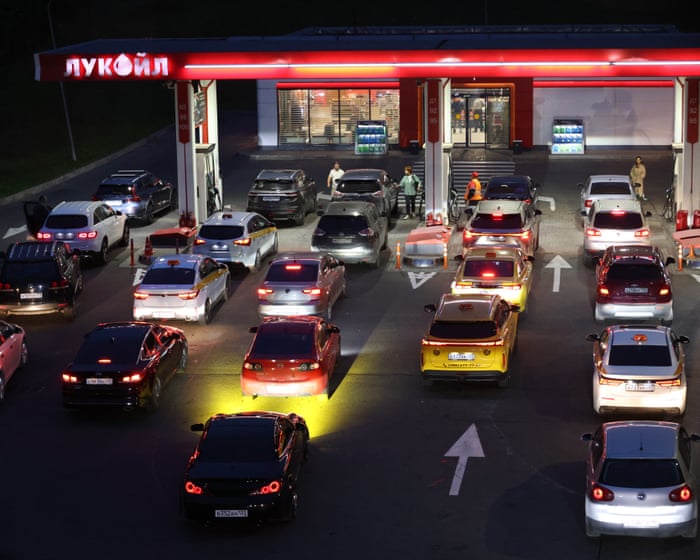
Russia, once among the world's largest crude oil producers, has spent the summer scrambling to secure fuel from abroad as long-range Ukrainian drone strikes on its refineries drive domestic shortages and rationing at petrol stations.
This week Russia bought its first-ever shipment of Turkish gasoline — 200,000 barrels being carried by the sanctioned tanker Wendrix from Mersin to the Baltic port of Primorsk. It is the fifth confirmed seaborne fuel delivery this summer, following earlier shipments routed through Egypt from the Vadinar refinery in India, together totalling around a million barrels.
Moscow has also signed a deal with the Kondensat refinery in western Kazakhstan to process Russian crude abroad, with 70% of the output to be shipped back to Russia. Because the plant has no pipeline connection to Russia, the crude will have to be delivered by rail.
Fuel imports from wartime ally Belarus have also surged, with June volumes up 141-fold compared with a year earlier.
After Kremlin officials expressed hope earlier in the summer that the crisis was easing, August brought a fresh intensification. At least six Russian regions have reinstated or tightened restrictions on gasoline sales, and a new round of Ukrainian strikes knocked the Orsk refinery completely offline. Deputy prime minister Alexander Novak said the situation was changing daily and was being managed through twice-weekly meetings with regional and company officials.
Ukraine has carried out 18 strikes on Russian refineries so far in August, matching last month's record pace. Industry analysts estimate refining output had already fallen 28% before the latest escalation. Commentators say the campaign is designed to raise the economic cost of the war for Moscow, squeezing both export earnings and forcing extra spending to keep the domestic market supplied.