Ukraine intelligence: Russia planning to mobilise 600,000 troops in 2026-2027
Ukrainian intelligence says Russia's leadership has decided on a new mobilisation wave of 300,000 recruits this year and 300,000 next, driven by heavy losses and collapsing voluntary enlistment. President Zelenskyy expects the announcement after September's State Duma elections.
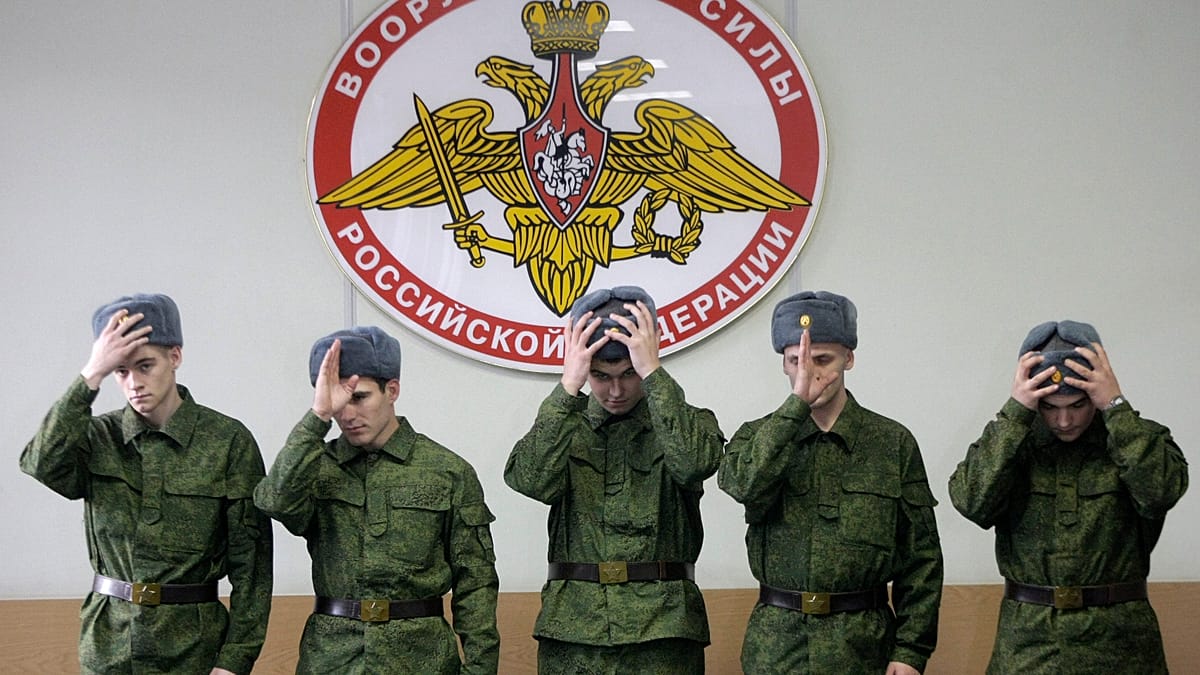
Ukraine's Main Intelligence Directorate and Foreign Intelligence Service say Russia's leadership has decided to mobilise 300,000 additional soldiers in 2026 and another 300,000 in 2027. Kyiv attributes the move to heavy battlefield losses, a loss of military initiative, and a sharp decline in contract signings with Russia's armed forces.
According to Ukraine's General Staff, Russia's total losses since the February 2022 invasion have surpassed 1.4 million killed and wounded. In the first half of 2026 alone, Ukrainian intelligence estimates Russia lost around 240,000 troops, including 140,000 killed or severely wounded, while only 232,000 people signed military contracts in the same period. CIA director John Ratcliffe said in July that the average Russian recruit is killed or wounded within 20 to 30 minutes of reaching the front.
A shrinking recruitment pool
Compared with 2025, the pool of debtors, prisoners, migrants and others who typically formed the bulk of voluntary recruits has shrunk by 30-40% in several Russian regions. In the Kurgan region, monthly recruitment targets have only been met at 57-69% since the start of the year, while in the Volgograd region the number of potential recruits has fallen 40% year on year. The lowest figures are in the Oryol and Vladimir regions and in Dagestan, and efforts to recruit students have also failed.
Internal Russian documents cited by Ukrainian intelligence link the need for mobilisation to growing public dissatisfaction with the war — as high as 69% in some regions — and the resulting drop in voluntary enlistment. Russia has already widened eligibility for conscription, allowing people with unexpunged convictions under 11 additional articles of the criminal code — including weapons, drugs and radioactive-substance smuggling, banditry and organising illegal migration — to be called up, and is reportedly considering recruiting certain convicted women. An electronic summons system already bars registered citizens from leaving the country, taking loans, trading property, using a driving licence or registering as self-employed. By late July, more than 2,500 mobilisation-related vacancies had appeared on Russian job platforms.
President Volodymyr Zelenskyy said he expects Russia to announce the mobilisation after State Duma elections scheduled for 18-20 September, describing it as a "peripheral mobilisation" aimed mainly at Russia's regions rather than Moscow and other major cities. Russia declared a "partial" mobilisation on 21 September 2022, but never issued a decree formally ending it, leaving the legal basis for conscription technically in place for four years.