Uzbekistan invests billions to boost value of food and metal exports
Uzbekistan is pursuing a multi-billion-dollar processing strategy to retain more value from agricultural and metal exports, while facing challenges in infrastructure and transparency.
Uzbekistan has set ambitious targets for food and metal processing to increase export revenues and reduce reliance on raw material exports. The strategy includes a $10 billion (€8.8 billion) food-processing ambition by 2030, a $4.2 billion (€3.7 billion) pipeline of technological metals projects, and the localization of 880,000 tonnes of sheet steel production. Copper processing agreements could multiply profits for one of the country's largest mining groups, according to the company.
The push comes as Uzbekistan receives stronger signals from international credit markets. Moody’s Ratings upgraded the country’s sovereign rating to Ba2 from Ba3 in June, citing improved institutional and policy frameworks and stronger economic and fiscal conditions.
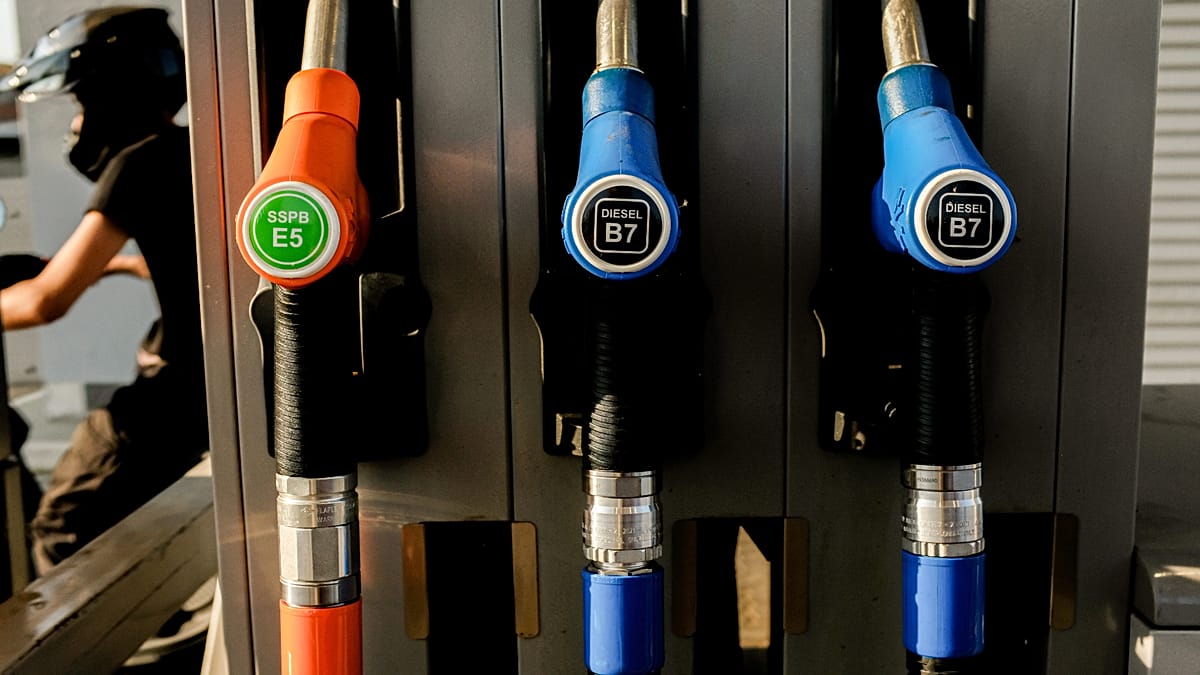
Agriculture Minister Ibrokhim Abdurakhmonov said the country produces tens of millions of tonnes of fruit and vegetables annually, but production alone is no longer enough. "Producing 24 million tonnes is only one objective. Those products must also reach markets and generate income," he told Euronews. The minister expects processed fruit, vegetables and food products to reach $4.5 billion (€4 billion) this year, on track for the 2030 target. To achieve this, Uzbekistan is expanding packaging, canning, and other technologies, and pursuing halal and organic certifications, ISO standards, and other quality benchmarks.
However, attracting investment depends on infrastructure, private capital, and confidence in the legal framework. Kanokpan Lao-Araya, ADB Country Director for Uzbekistan, noted that infrastructure is a long-term investment requiring planning, maintenance, and a strong legal basis. The ADB is also participating in the ANORA agrifood investment platform to mobilize grant funding for agribusiness.
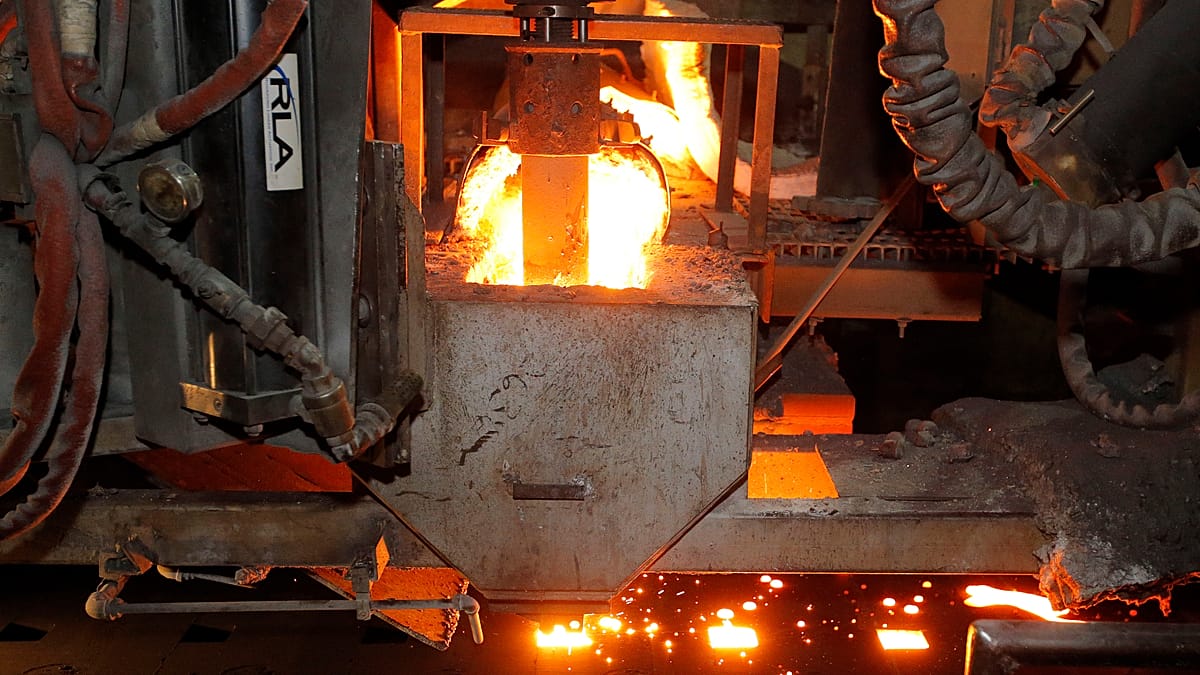
In metals and mining, the Uzbekistan Technological Metals Complex (TMK) is developing over 100 projects worth an estimated $4.2 billion. Timur Hikmatullayev of TMK said the goal is to explore, refine, and process raw materials rather than just supply them. In steel, Uzmetkombinat plans to localize 880,000 tonnes of sheet steel production annually, with over 200,000 tonnes for export. The price gap is stark: standard rebar sells for $600-650 per tonne, while high-alloy steel can fetch $5,000-6,000 per tonne.
Transparency remains a challenge. Mark Robinson of the Extractive Industries Transparency Initiative (EITI) warned that resource-rich countries need strong institutions to ensure mining revenues benefit citizens. He called for faster permitting for critical minerals but cautioned against weakening transparency in contracting and revenue management.