Uzbekistan's $5 billion AI export plan gains momentum
Uzbekistan aims to export at least $5 billion in IT and AI services by 2030, building on rapid growth from under $1 million in 2017 to nearly $1 billion by 2026, with a focus on talent, data centers, and AI literacy.
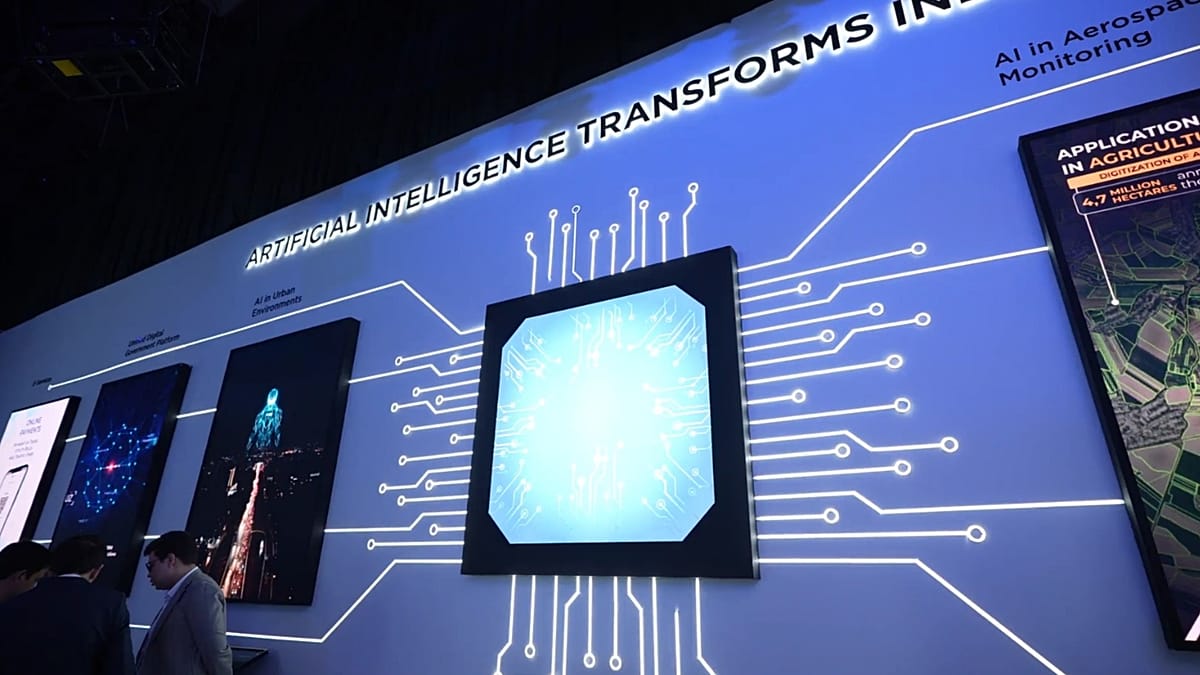
From outsourcing to AI services
Uzbekistan is targeting at least $5 billion in IT and artificial intelligence service exports by 2030, as it seeks to transform AI from a digital policy priority into a broader economic sector. According to Digital Technologies Minister Sherzod Shermatov, annual IT exports have grown from less than $1 million in 2017 to nearly $1 billion. The next phase will depend on skills, investment, and the ability to apply AI across businesses and public services.
The country has a young, connected population: 9.6 million people aged 14–30 at the start of 2025, and 89% internet penetration by end of 2025. Exports by IT Park participants reached $191.8 million in Q1 2026. Shermatov said Uzbekistan wants to attract companies seeking talent, multilingual teams, and delivery centers, and to help them expand into third markets.
Data centres and energy
Data centres are central to Uzbekistan’s AI plans as infrastructure for cloud services and digital exports. Shermatov linked this to energy policy: instead of exporting electricity as a raw resource, Uzbekistan wants to sell it “in the form of AI data centre services.” Investors in AI data centres can access incentives including cheaper electricity, IT Park residency, tax exemptions, and duty-free import of AI equipment.
Rajit Nanda, CEO of DataVolt, said demand for data centres is driven by “explosive adoption of AI,” but infrastructure alone is insufficient—capital, energy, and talent are all equally important.
Skills and government implementation
Uzbekistan launched its “5 Million AI Leaders” programme to spread AI literacy among students, teachers, and public officials, with over one million completions so far. The goal is not just to train engineers, but to enable workers across sectors to use AI tools. Vladimir Norov of the Central Asian Association for AI highlighted the need for basic understanding in education, healthcare, agriculture, and logistics.
Benedict Macon-Cooney of the Tony Blair Institute for Global Change said the main challenge is implementation—translating policy into delivery. Early gains may come from routine public administration areas like forms, compliance, tax, and fraud detection. Wider adoption depends on trust, with cybersecurity a key test for Uzbekistan’s AI plans.