Businessman Martinsons: Latvia Lacks Strategy and Courage for Unpopular Decisions
Businessman Māris Martinsons, in a conversation with former foreign minister Jānis Jurkāns, criticises Latvian politics after the parliamentary election: government formation is dragging, long-term strategy is missing, and the state spends more than it earns.
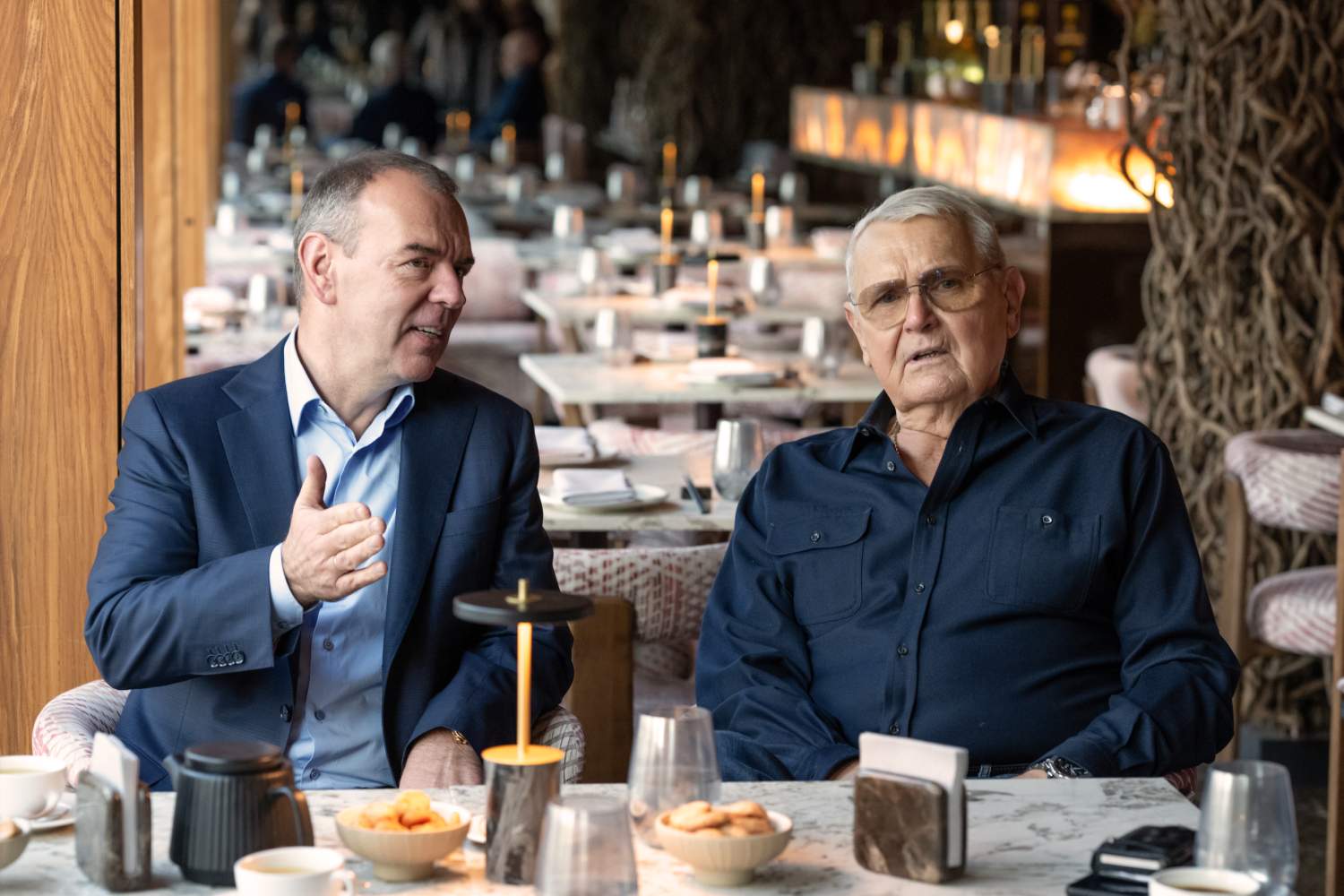
Latvia remains in political uncertainty after its parliamentary election, and the country lacks a long-term strategy, says businessman Māris Martinsons. In a conversation with former foreign minister Jānis Jurkāns, published by the news portal mmnews.eu and republished by the newspaper Latvijas Avīze, he assessed the formation of the new government, state finances and the business environment.
Government formation and the United List
Martinsons says the election winners are so pleased with the result that the country has taken a back seat. As an example, he cites the announcement that coalition talks are being postponed by a week. The United List won 41 seats, and Jurkāns notes that Latvia has never seen such a result. Martinsons nevertheless predicts disputes and a scramble for posts, since the list is made up of four groupings. On a minority government, Jurkāns says it has never worked in Latvia, while Martinsons doubts such a cabinet could deliver results.
Debt, budget and security
Martinsons believes the real test will come when the budget is drawn up. He claims the state currently spends more than it earns, covering the gap with borrowing, while external debt keeps growing. In his view, Latvia is overly zealous in meeting European Union criteria. He does not dispute security spending as a priority, but argues that items without a direct link to security are also included in it, while healthcare and education lack funds.
Bureaucracy and construction
The businessman says functions overlap in public administration and the number of officials could be halved. In construction, he argues, the influence of industry organisations is fading, large companies have left the sector's association, and labour shortages will have to be filled with foreign workers.
The conversation ended with the start of a discussion on corruption and Prime Minister Andris Kulbergs' promises to fight it.