Trust in Latvian courts rises to 45%
According to SKDS survey, trust in courts has reached 45% this year, up 13 percentage points since 2021, while distrust dropped to 40%.
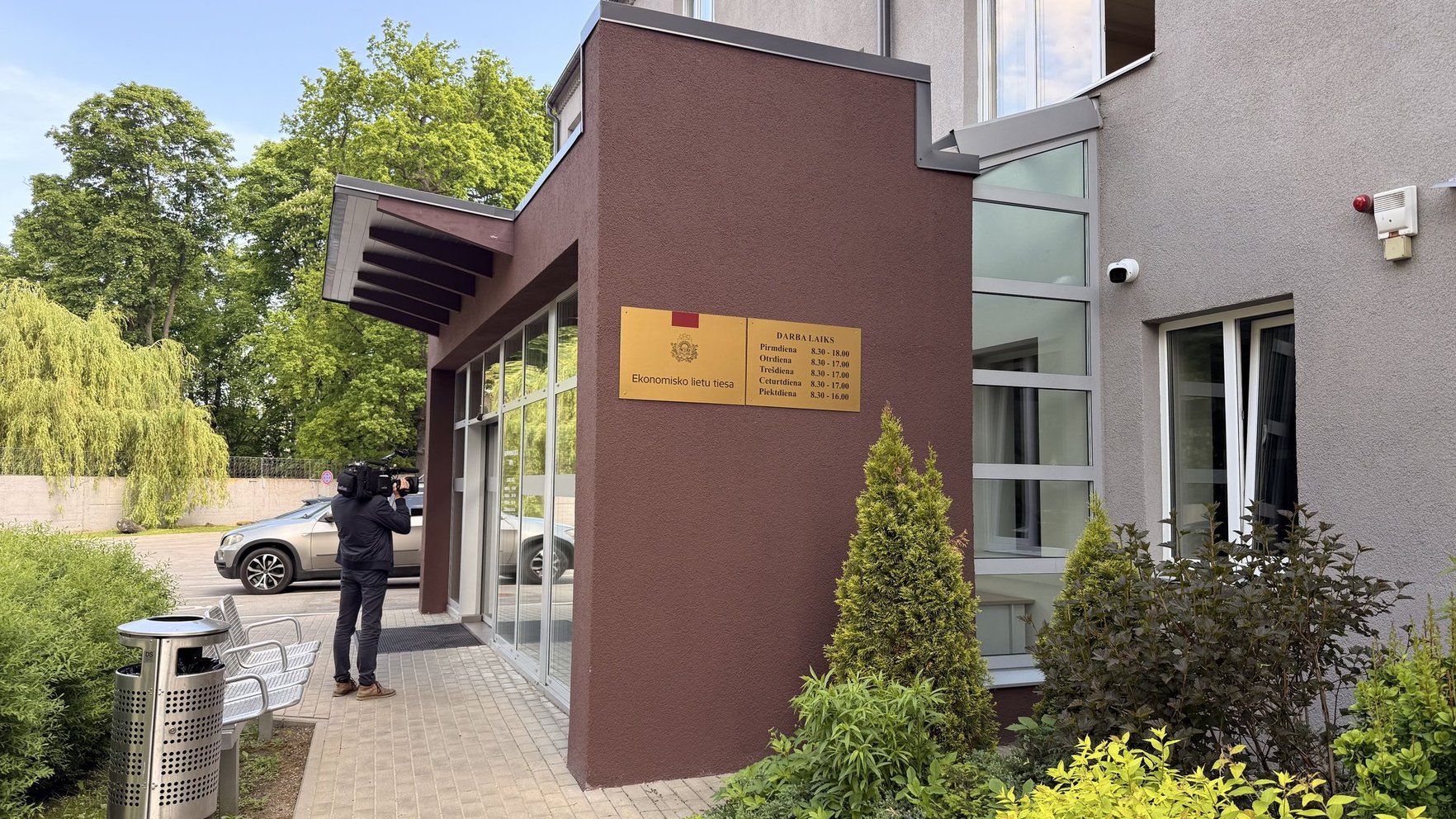
Trust in Latvian courts continues to rise, according to a June survey by the research center SKDS. This year, 45% of respondents expressed trust in the judiciary, compared to 32% in 2021 – an increase of 13 percentage points. Compared to last year, trust grew by two percentage points (from 43% in 2024).
At the same time, the proportion of those who distrust courts decreased from 44% to 40%. The survey indicates that trust is higher among people who obtained information about court work from official websites, while those whose views are based on relatives' experiences tend to be more critical.
Higher trust levels are observed among young people (aged 18–24) and the 35–44 age group, as well as among respondents with higher education, public sector employees, and those with high incomes. Geographically, trust is strongest in Vidzeme and Zemgale regions. Conversely, distrust is more common among people over 65, those with basic education, non-citizens, respondents with lower-middle incomes, and residents of Latgale.
The survey also assessed readiness to use digital solutions when interacting with courts. Email is acceptable to 78% of respondents, internet banking for identification to 77%, and eID card or electronic signature to 60%. Fewer than half would be willing to use video conferencing for remote court sessions. 11% stated that none of the technical solutions are available to them.
Awareness of state-provided victim support remains limited. 53% know about legal aid, 40% about compensation for victims of violent crimes, and only 28% about the support helpline 116006 (68% are unaware of it). Compared to last year, awareness has slightly improved, especially regarding compensation (from 33% to 40%).
Alternative dispute resolution methods outside court would be considered by 39% of respondents. Mediation is acceptable to 31% and arbitration to 22%. Willingness to use mediation has slightly increased over the year (from 29% to 31%). People aged 25–54, those with higher education, and employed individuals are more likely to consider alternative methods.