Germany approves draft law expanding spy agencies' powers
Germany's government has approved a draft law easing postwar-era restrictions on its intelligence services, following two security incidents within a month. The reform still requires parliamentary approval.
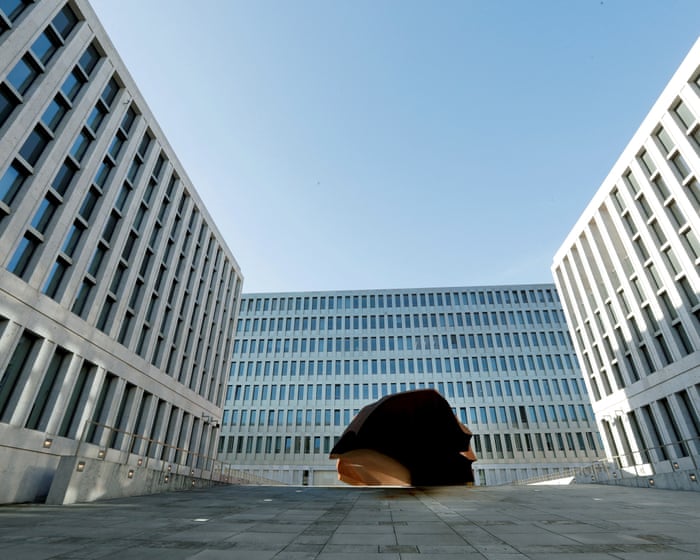
Germany's government on Wednesday approved a sweeping draft law that would lift many restraints placed on its intelligence agencies since the postwar period. Interior Minister Alexander Dobrindt called the reform "historic," saying it would turn the country's services into "genuine secret services" able to compete with allied and rival agencies.
The legislation follows two incidents that exposed security gaps. In late July, a German-born Islamist rammed a car into the crowd at Berlin's Pride parade. Last week, a drone loaded with explosives was found near a Ukrainian cargo plane at Leipzig airport, a key defence hub.
Chancellor Friedrich Merz's coalition government, already unpopular, faces pressure to show it can modernise security policy while upholding rights guaranteed under Germany's Basic Law.
Expanded powers
The foreign intelligence service (BND), marking its 70th anniversary this year, would gain new tools to counter state actors such as Russia and China, aided by artificial intelligence. German officials say threats have risen sharply since Russia's 2022 full-scale invasion of Ukraine, with Moscow-linked agents allegedly behind sabotage and cyber-attacks on critical infrastructure.
Under the draft law, German spies could carry out "hack-back" operations, manipulating or deleting data, and could alter weapons-building instructions. The use of force by agents abroad would remain banned, but carrying weapons for self-defence would be permitted more often. Data protection rules would also be loosened, allowing longer collection and analysis of information.
The government hopes the law will take effect by 1 January 2027. Critics, including data protection commissioner Louisa Specht-Riemenschneider and Green party intelligence spokesperson Konstantin von Notz, have warned of overreach and possible legal challenges.