Over 60% of female soldiers in Germany's military report sexual harassment or abuse
A new study of the German armed forces (Bundeswehr) found that more than 60% of female soldiers experienced sexual harassment or abuse on duty. Defence Minister Boris Pistorius promised a "zero tolerance" approach.
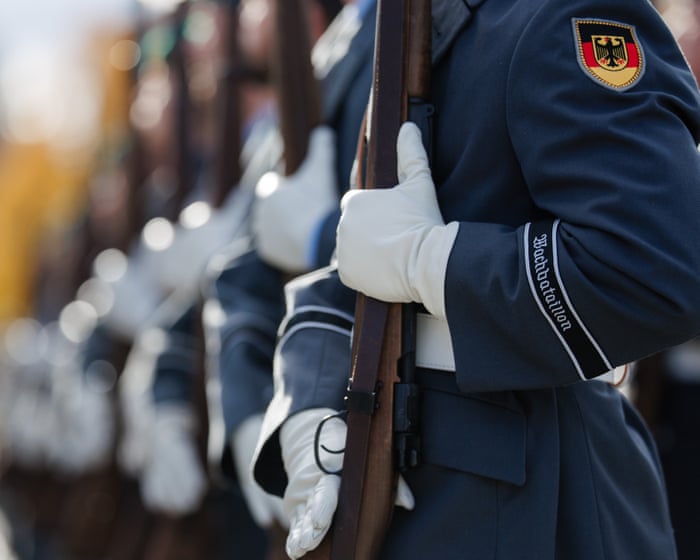
German Defence Minister Boris Pistorius has pledged "zero tolerance" for sexual abuse in the armed forces (the Bundeswehr) after the first comprehensive study of its kind found widespread harassment, especially of women. The research was carried out by the Centre for Military History and Social Sciences in Potsdam and published this week. It arrives as the military tries to attract recruits in response to global threats.
The study found that more than 60% of female soldiers had experienced some form of sexual harassment or abuse on duty, from sexually explicit remarks and degrading rituals to sexual violence. Nearly 40% of the roughly 4,000 women who answered the survey said they had faced suggestive comments and sexualised remarks. Some 15% said unwanted mobile phone pictures were used to harass them, in some cases altered with AI. A little over 8% reported physical attacks, and 2% said they had been victims of sexual violence.
About 19% of male soldiers had experienced a similar form of misconduct, with non-binary and gay soldiers disproportionately affected.
The minister's response
Pistorius called the figures "unacceptable", particularly for a force trying to grow substantially. Military leaders have set a target of 260,000 active-duty troops and 200,000 reservists by 2035, hoping to avoid reintroducing conscription. He noted that women in units with a higher share of women were affected less often, which he said argues for recruiting more women.
He said some colleagues advised him to drop the study for fear of harming the military's reputation, but doing so would amount to "turning a blind eye" and harm the Bundeswehr more in the long run. The study will be repeated every year.
Reporting and next steps
Pistorius voiced concern about reluctance to report incidents: about a third of respondents said they did not or would not report them because they did not trust how superiors would act. Earlier this month, before the results were released, he set up a round-the-clock hotline for military personnel called HELP. In future, people who file complaints should get more information on the progress of their cases, as victims said they were often left in the dark yet expected to keep serving.
The ministry said 45,000 current or former service members were invited to take part and 18% responded, adding that its analysis showed the results were nonetheless representative.