German historian: Ukraine's defeat could put the Baltic states at risk
German historian and political scientist Thomas Weihe argues that European politicians should speak more openly about the worst-case scenario if Ukraine cannot hold out against Russia, including a possible attack on the Baltic states. He also calls for a credible positive plan for the future.
German historian and political scientist Thomas Weihe said in October 2026 that European politicians and experts who see Ukraine's defeat as an existential threat to the continent should talk about that scenario far more clearly. In his view, if Ukraine could not withstand Russia, Europe could face new hybrid attacks (deliberate non-military means of destabilisation), disinformation campaigns, an influx of refugees and possibly even an attack on the Baltic states.
Why the worst case is rarely discussed
Weihe notes that decision-makers seldom speak aloud about the worst possible outcomes. He suggests they may not want to provoke Russia, cause panic or spread fear, or they may not believe the future could become more dangerous. He refers to artificial intelligence pioneer Mustafa Suleyman and his idea of the "pessimism-aversion trap", which catches people who have long held power. He also cites historian Niall Ferguson's conclusion that people living in physical safety find it hard to believe they could one day face real danger.
What is the positive scenario?
The historian also asks how Europe intends to end the war and what supports the belief that Russia would then back off. In his view, concrete answers are rarely offered, and supporters of Ukraine are in a weaker position because they fear any compromise wording would be seen as betraying Ukraine. Experts are discussing several models: a "Korean scenario" with a de facto division of territory, turning Ukraine into a "steel porcupine", admitting it to NATO, or strengthening the European Union's own security capabilities.
Weihe believes opponents of aid to Ukraine state their proposals more clearly, so part of the public finds their stance more "realistic". For Europe to have its own "Draghi moment" – a reference to Mario Draghi's pledge to save the euro while heading the European Central Bank – the leaders of the so-called coalition of the willing must say with one voice what they are ready to do now.
The Baltic states and NATO
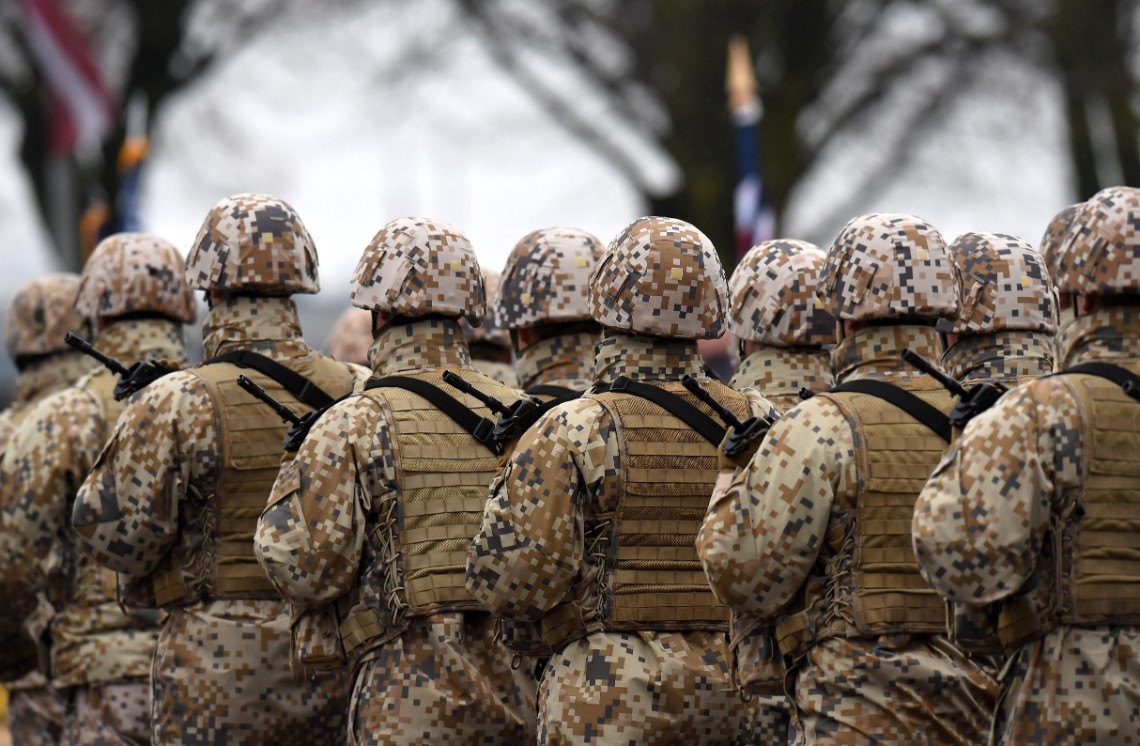
EU countries are already discussing how to respond to a large-scale Russian hybrid attack that could cost lives. Admiral Giuseppe Cavo Dragone, chair of NATO's Military Committee, has said the alliance wants to respond proportionately, but a direct attack on a member state would trigger Article 5 of the North Atlantic Treaty on collective defence. Latvia, Lithuania and Estonia are NATO members, so an attack on any of them would be an attack on the whole alliance.