Russia's 'Wagner' mercenary group keeps operating in Africa under new guise
Although Russia's Wagner mercenary group appeared to vanish from headlines after leader Yevgeny Prigozhin's death, its remnants remain active in several African countries. A Latvian Radio program examines the group's transformation and Russia's continuing role in it.
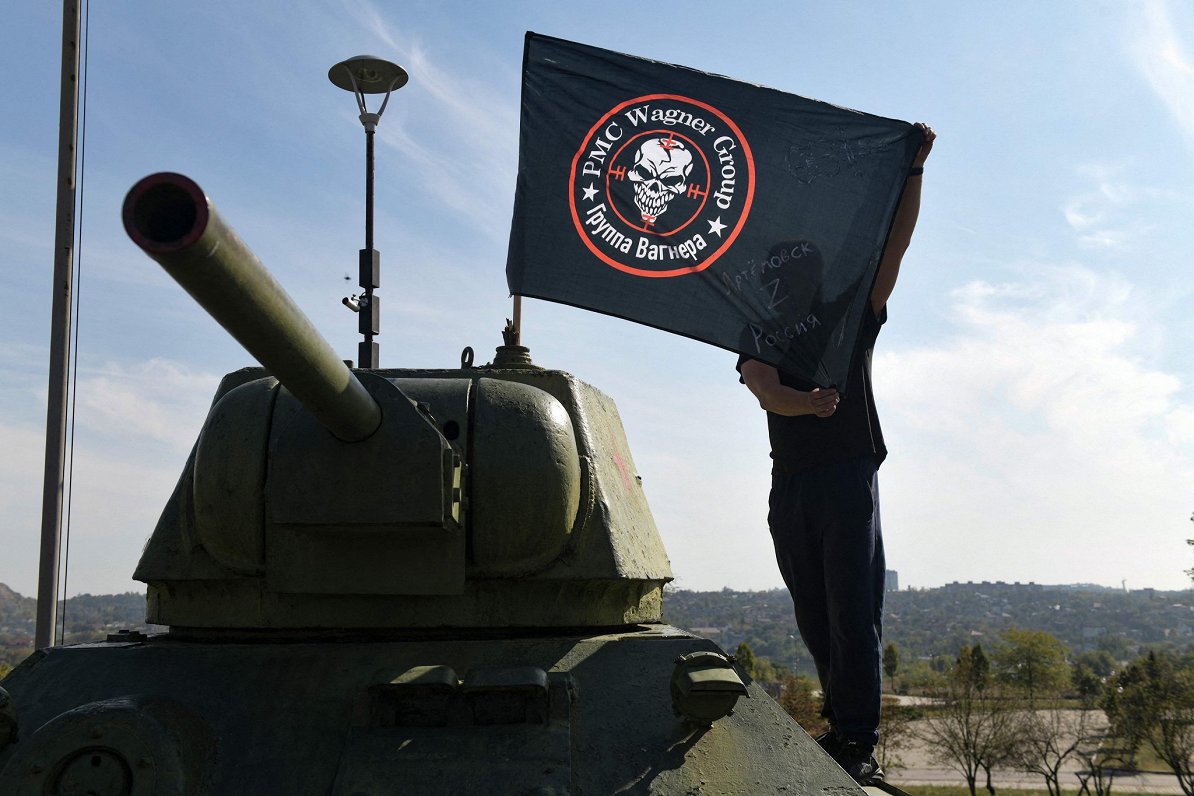
Russia's Wagner mercenary group, which seemingly disappeared from public attention following the death of its notorious leader Yevgeny Prigozhin, has in fact not ceased operating. The group's structures and personnel remain active in several African countries, albeit under a changed form.
The Latvian Radio program "(ne)Diplomatic Lunches" examined where Wagner's remnants are currently concentrating their activity on the continent and what role the Russian state plays in it. The program explains how the group's formal affiliation and management changed after Prigozhin's death, as well as why Moscow retains an interest in maintaining this mercenary presence in Africa.
A continuing threat to Western interests
The analysis concludes that Wagner's successor structures continue to threaten Western interests in the region. The group's presence in African countries is linked to Russia's geopolitical influence, which has grown rapidly in recent years in several countries on the continent, where local regimes use mercenary services in exchange for access to raw materials or military assistance.
Although Prigozhin's death was seen as a symbolic turning point that could have led to the group's collapse, its structures have in fact proven resilient. This suggests that the Wagner model — using mercenaries to serve Russian interests in distant regions without the state formally assuming direct responsibility — continues to function even without its original founder.