Do Fitness Trackers Work with Tattoos?
Tattoos on the wrist can interfere with smartwatch and fitness tracker sensors, causing inaccurate heart rate readings and detection issues. Manufacturers acknowledge the problem, but a full solution remains elusive.
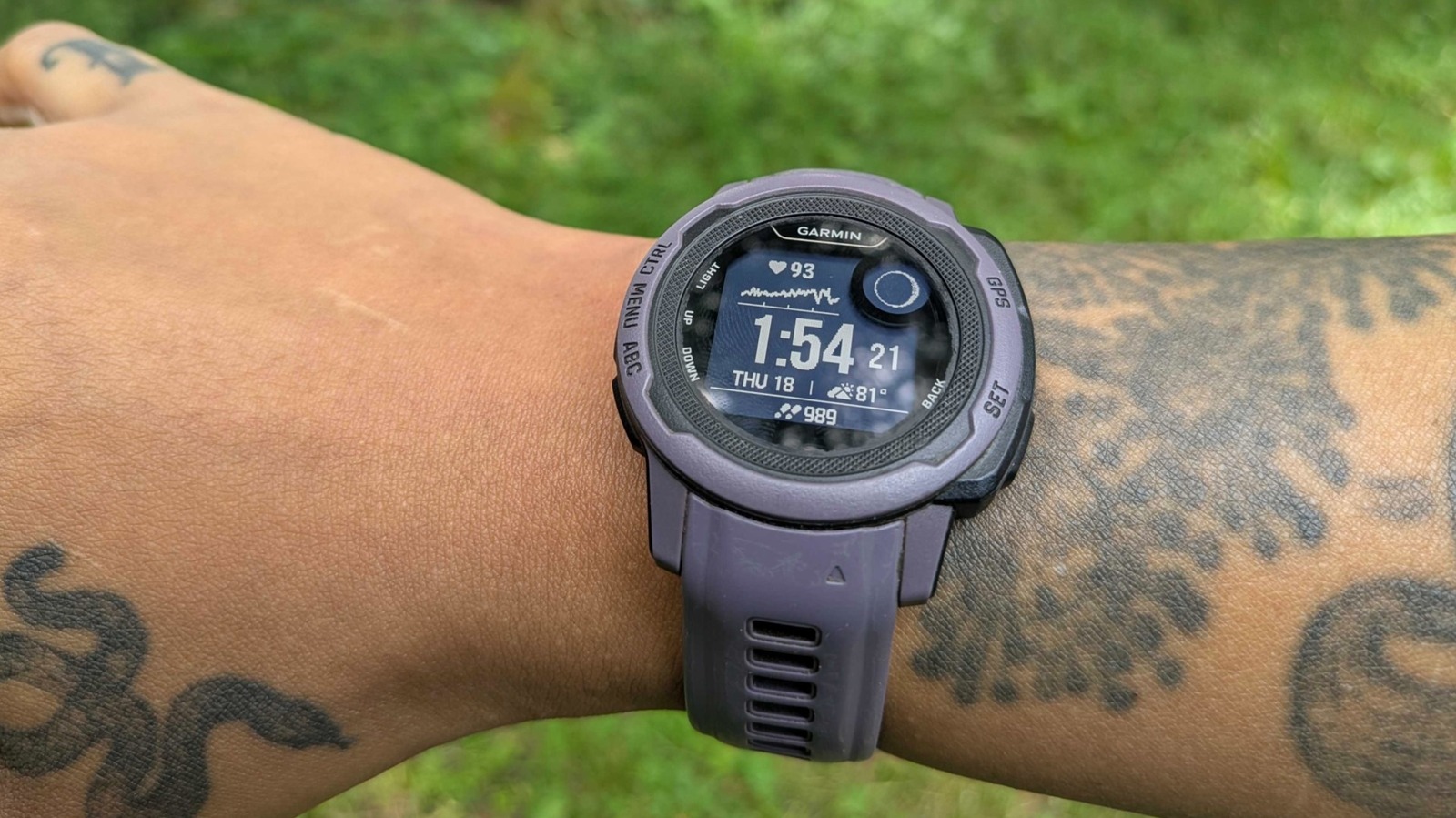
Many people with wrist tattoos encounter problems when using smartwatches and fitness trackers. The devices rely on photoplethysmography (PPG), a light-based technology, to measure heart rate. Tattoo pigment can block or distort the light, leading to inaccurate data. Another common issue is wrist detection: if the device doesn't sense it's on skin, it may repeatedly ask for unlocking.
Manufacturers like Garmin and Apple have acknowledged the issue. Garmin states that tattoos can block the heart rate sensor's light and recommends placing the watch on tattoo-free skin. Apple has issued similar guidance since the first Apple Watch.
Workarounds and Research
Users have devised various workarounds, such as wearing the device on the inner wrist or switching to the other wrist if it's not tattooed. Some apply clear tape or epoxy stickers over the sensors, which often fixes the problem. Reusable accessories designed for this purpose also exist. However, these are not ideal for daily use. For accurate heart rate tracking alone, a chest strap is an option, though less convenient.
A 2025 study examined the impact of tattoos on heart rate sensors. Researchers found that tattoos affect accuracy, but the effect depends on activity level—greatest at rest and decreasing with exercise intensity. In some cases, tattoos had no effect at all. Variables like ink color, saturation, and depth matter. Currently, insufficient research exists to provide a definitive solution.
The issue extends beyond tattoos; light-based sensors are also less reliable for people with dark skin, highlighting a need for more diversity in R&D. Anecdotally, the Google Pixel Watch 4 appears to handle tattooed skin better, while Samsung Galaxy Watch users continue to report problems.