Do cats truly love their owners? What researchers say
Scientists say it is nearly impossible to prove cats feel love the way humans do, but studies show they can form strong attachments to their owners and seek their company.
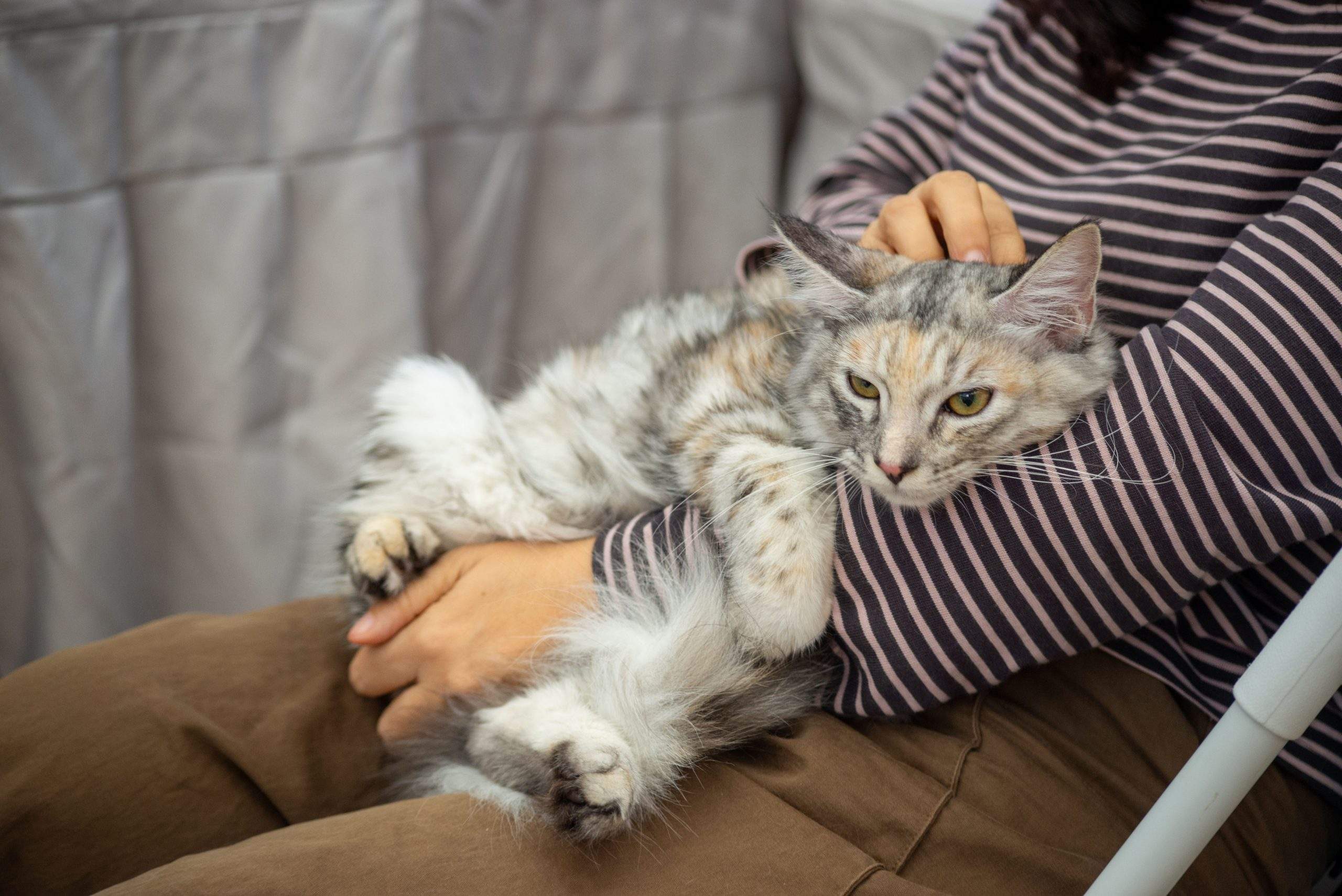
Do pet cats really love their owners, or is it just habit? The question was examined by the foreign outlet Gizmodo, citing specialists who study the behaviour of domestic and wild cats. Cats are often seen as independent animals, yet research suggests they can form a close bond with a person, miss them and look to them for a sense of security.
What can be measured
Scientists admit that love is a subjective feeling that is hard to measure even in humans, so researchers observe specific behaviour and bodily responses. Callie Moody (the article gives her name as Karlija Mūdija), head of the Animal Welfare Epidemiology Lab at the University of California, Davis, explains that experts assess whether a cat approaches its owner on its own, wants physical contact, how it communicates and how it reacts to the person's presence.
Some studies have found that oxytocin levels in cats may rise during positive interaction with the owner. The hormone is involved in forming social bonds in humans and in various animal species. That alone does not prove a cat loves a person in the human sense; it more likely suggests the relationship matters socially in the animal's life.
How attachment shows
Animal behaviour researcher Kristyn Vitale, who has studied cat attachment, found that most cats in her study were attached to their owners: they became restless when the person left, greeted them on return and sought comfort nearby. Natalia Borrego of the Max Planck Institute of Animal Behavior notes that in one study about two thirds of cats showed a secure attachment style, similar to children with parents and dogs with owners. That does not mean cats see people as parents.
Everyday signs include rubbing the head or cheeks against the owner, resting beside them, greeting them with a raised tail and recognising a familiar voice. A cat need not sit on a lap; often it is enough that it chooses to stay in the same room.
Why cats differ
Behaviour is shaped by genetics, living conditions, experience and how people treat the animal, with early socialisation especially important. Evolution matters too: wild ancestors of cats mostly lived alone, and during domestication cats were selected less intensively than dogs.
Researchers cannot yet say with confidence that cats feel love as humans do, but that does not make the bond between cat and person any less significant.