Should you avoid TP-Link routers? Here's what to know
The FCC's restrictions on foreign-made routers have created uncertainty around TP-Link's future in the US, but there's no evidence to avoid the brand elsewhere.
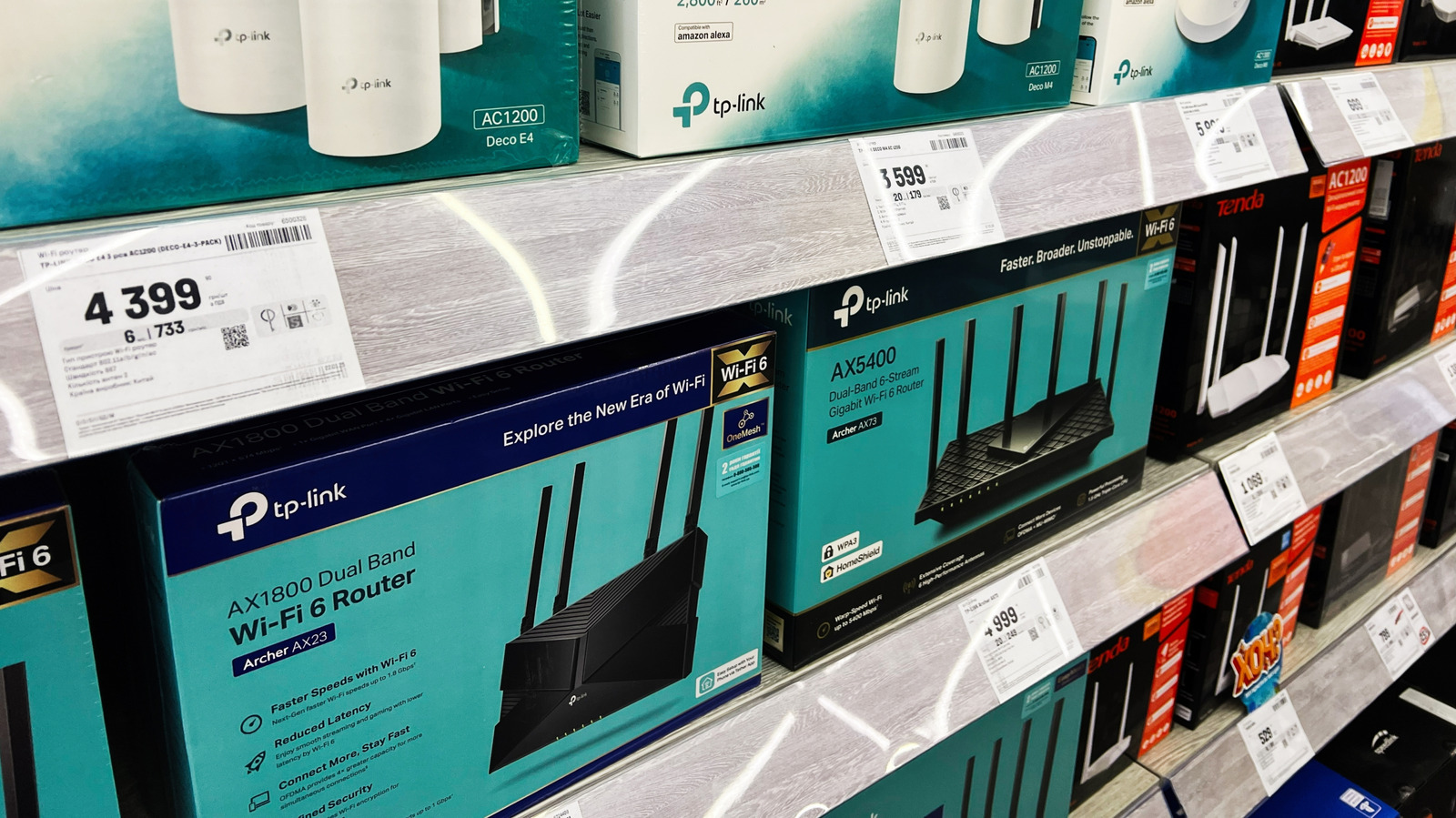
TP-Link has long been a top recommendation for routers, offering solid performance at relatively low prices. However, the company now faces an uncertain future in the US after the Federal Communications Commission (FCC) restricted the sale of new foreign-made routers, while later granting waivers to some competitors.
The FCC's original notice did not single out TP-Link, instead citing general concerns about supply-chain vulnerabilities and cybersecurity risks from foreign-manufactured routers. Yet when the agency granted conditional approvals to Netgear, Amazon's Eero, and others, TP-Link was left out. Despite the company's claim that a 2024 reorganization moved its global headquarters to the US, its Chinese roots likely made it a target during the Trump administration's anti-China stance.
FCC Chairman Brendan Carr has turned the agency into a political tool, warning broadcasters over coverage and pressuring ABC affiliates to drop Jimmy Kimmel Live. This history undermines the FCC's credibility. Moreover, its reasoning has inconsistencies: banning new models does little to address already-approved devices in homes, and security issues are not unique to any one brand or country. A fully American-made router doesn't exist, as even US brands rely on global supply chains.
For US consumers, buying a TP-Link router now is risky because guaranteed support may end after January 1, 2029. Existing owners don't need to panic, but should keep firmware updated. Outside the US, there's no reason to avoid TP-Link; the issue stems from US policy decisions, not from the products themselves.