Can You Run Regular Ethernet Cables Outdoors?
Standard indoor network cables with PVC jackets deteriorate quickly outside. For outdoor use, choose a cable with the right markings, and for underground runs, a cable rated for direct burial.
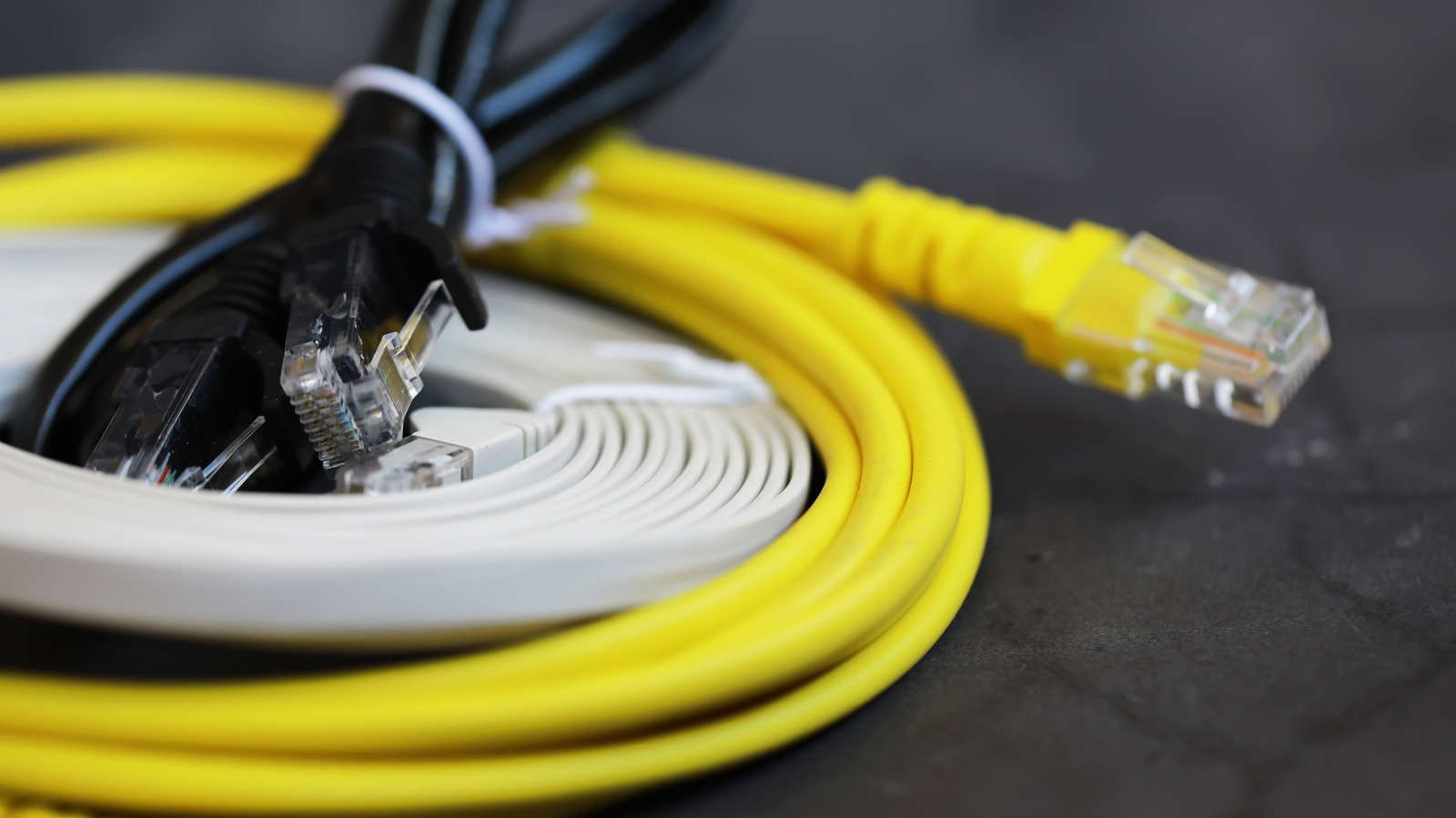
Ethernet cables of categories such as Cat5e and Cat6 are widely used for networking, and some people assume they are tough enough for outdoor use, for example to connect security cameras in a yard or on a porch. An explainer from the technology site Engadget says that while it is technically possible, standard indoor cables are not suited to outdoor conditions.
Why indoor cables fail outside
Indoor cables have a flexible PVC jacket that is vulnerable to sunlight. Over time it fades and cracks, exposing the internal components and degrading the connection. Outdoor temperatures and rain speed up the damage. The copper conductors also lack proper protection from lightning strikes and other environmental factors.
Choosing an outdoor cable
Outdoor cables typically use a more weather-resistant polyethylene jacket (such as LLDPE or PE), which better withstands UV exposure, moisture and wide temperature swings. For underground runs, a direct-burial cable is the right choice. It can handle long-term moisture and the pressure of surrounding soil, and depending on the type it may include water-blocking tape, powder or gel that keeps the wire dry even if the outer jacket is damaged. For a short, simple run to an outdoor access point, an outdoor-rated Cat6 cable is appropriate.
Whatever the cable type, surge protection is recommended at both ends. The risks of running copper outdoors can be avoided with outdoor-rated fiber optic cable, although equipment exposed to the elements would still be at risk. It is also advisable to check local rules on conduit, burial depth and permitted cable types. Outdoor runs should be fastened with cable clips to prevent abrasion and never bent sharply.
How to identify an outdoor-rated cable
Color or category labels say nothing about this. Look for markings on the jacket such as "CMX," "OSP," "UV-resistant," "sunlight-resistant" or "outdoor," as well as the jacket material (PE, HDPE or LLDPE). The accompanying documentation should state approval for direct burial or wet locations.
An outdoor-rated cable is not automatically suitable indoors, as some may not meet indoor fire safety requirements. An unlisted outdoor cable generally cannot run more than 50 feet (about 15 meters) inside a building before it must transition to an indoor-rated cable. For permanent installations, local codes should be checked.