Speaking multiple languages may keep the brain up to 13 years younger
New research suggests people who speak several languages have brains that appear younger than their actual age, with the gap reaching as much as 13 years. The findings were presented at the FENS Forum 2026.
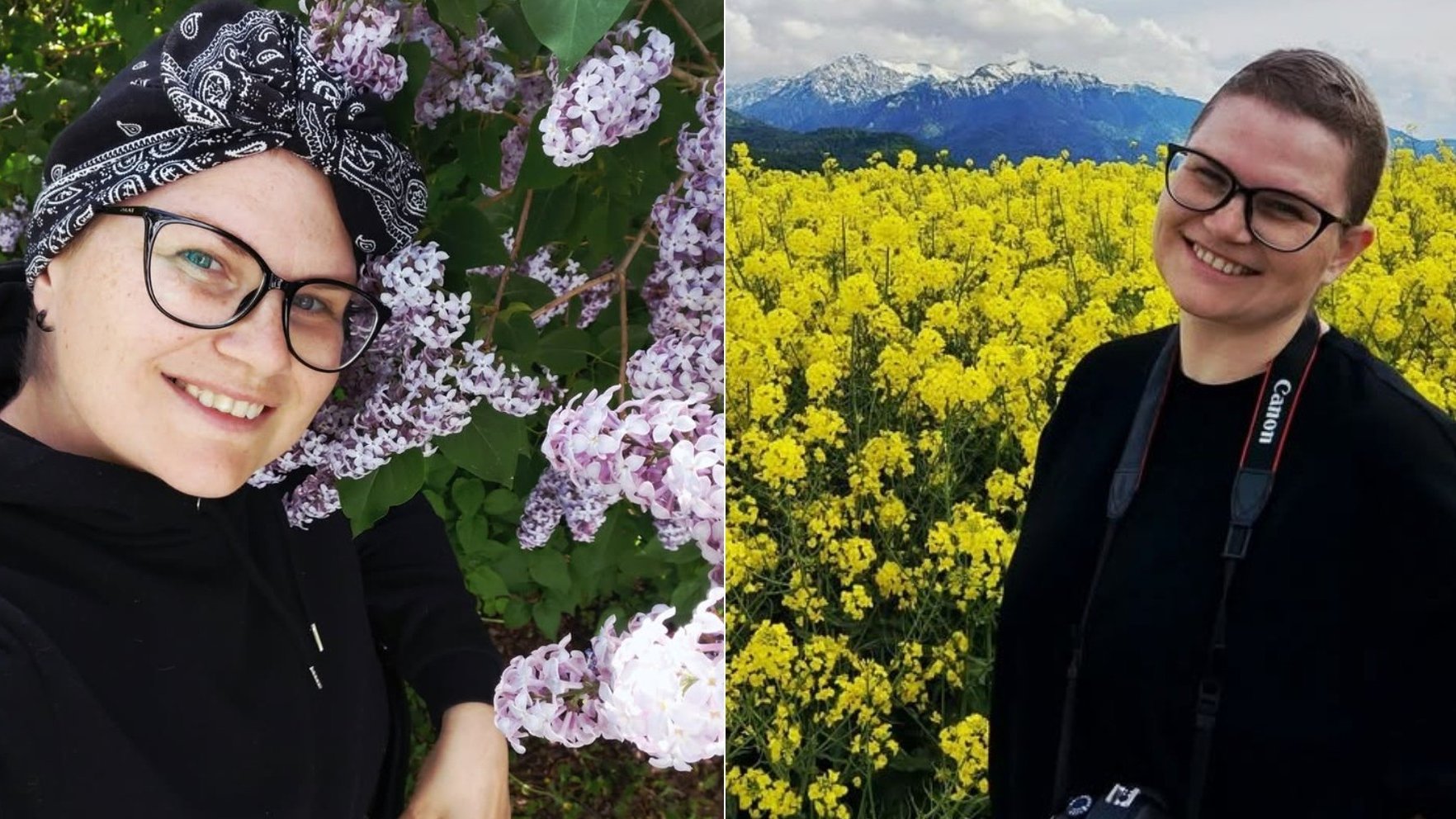
A research team led by Dr. Lucia Amoruso of the Basque Center on Cognition, Brain and Language in San Sebastián, Spain, examined how speaking multiple languages relates to brain aging. She collaborated with researchers from institutes in Chile, Argentina and Ireland.
The group had previously found that people in countries where multilingualism is widespread tend to show slower brain aging. For this new study, they focused on residents of Spain's Basque region who spoke between one and four languages, in various combinations of Spanish, Basque, French and English.
Building a brain-aging clock
To estimate brain age, researchers first studied 728 people using magnetoencephalography, a technique that detects faint magnetic fields generated by active brain cells. Artificial intelligence was used to map typical patterns of brain connectivity at different ages. This model was then applied to a separate group of 144 participants to calculate each person's estimated brain age.
A gap of up to 13 years
Comparing actual age with estimated brain age revealed a clear pattern. People who spoke two languages had brains that looked about six years younger than those of monolingual speakers. Trilingual speakers showed a roughly seven-year difference, while those who spoke four languages showed a gap of about 13 years.
According to Dr. Amoruso, the effect wasn't tied solely to the number of languages spoken — higher proficiency and earlier acquisition of a second language were also linked to slower brain aging, suggesting the benefit builds gradually with the depth and duration of language experience.
The analysis accounted for age, sex and education, though the researchers cautioned that other factors, such as lifestyle and social engagement, could also play a role. The team now plans to investigate whether similar patterns appear in people with neurodegenerative conditions such as Alzheimer's disease.
Experts say the findings support encouraging language learning at any life stage, both in schools and beyond, as one of several ways to support brain health.