Poland's first abortion-pill locker opens opposite parliament as activists face opposition
Women's rights activists in Poland have opened the "Abortomat," a parcel-locker-style dispenser for abortion pills, in a country with one of Europe's strictest abortion laws. Its legality is challenged by the Catholic legal group Ordo Iuris.
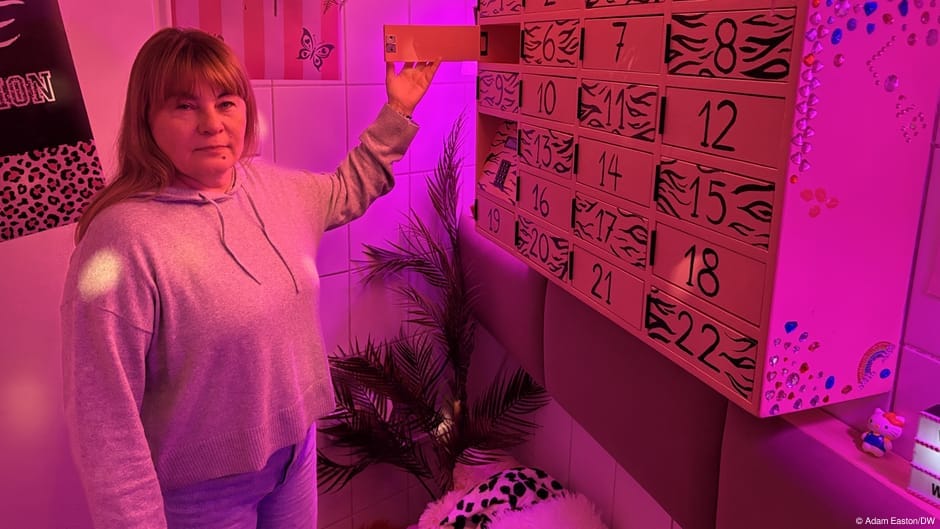
Women's rights activists in Poland have opened what they describe as the world's first parcel-locker-style dispenser of abortion pills. The "Abortomat" is located in a building opposite the Polish parliament, which activists say is a message to politicians, including Prime Minister Donald Tusk. Before the 2023 parliamentary election, Tusk promised abortion on demand up to the 12th week of pregnancy, but his coalition has not agreed on a common position.
Poland and Malta are the only European Union members that do not allow abortion on request. In Poland it is permitted only when a pregnancy results from a crime such as rape or incest, or when it threatens a woman's health or life.
How the machine works
The device, operating since late September, sits inside Abotak, Poland's first abortion center, and has 22 pink compartments. A woman receives a PIN code from the organization Women Help Women after completing a medical questionnaire that a doctor reviews. Each compartment normally holds two drugs, mifepristone and misoprostol, usually taken up to the 14th week of pregnancy. Mifepristone is not registered in Poland, so it must be ordered from abroad. The group Abortion Dream Team helps women find information or travel abroad for a termination. Activist Natalia Broniarczyk says they help about 130 women a day; roughly 125 use pills costing about €75, and the rest travel to clinics abroad. Polish hospitals performed 851 abortions last year.
Legal dispute
Activist Justyna Wydrzynska, who in 2023 became the first person in Poland convicted of helping a woman have an abortion (the verdict was later overturned and a retrial ordered), believes the machine does not break the law, though she says she is not certain. Her lawyer, Sabrina Mana-Walasek, calls the legal situation complicated: if a woman orders and pays for pills herself, it is not a crime. The ultra-Catholic legal group Ordo Iuris has notified prosecutors about the activists' actions. Anti-abortion demonstrations regularly take place outside the center.
Bills in parliament
In October the Sejm, the lower house of parliament, narrowly approved two bills: one restoring severe irreversible fetal defects as grounds for a legal abortion, and another partially decriminalizing people who help a woman end a pregnancy. Wydrzynska and Broniarczyk expect President Karol Nawrocki, who opposes abortion, to veto them.