Voter Turnout Slump: What the 15th Saeima Election Data Show
Turnout in Latvia's 15th Saeima election was 51.79%, but think tank Providus says turnout among voters living in Latvia was about 57.7%, close to 2018. The drop is largely explained by low diaspora participation, fading war-driven mobilisation and weaker turnout in ageing regions.
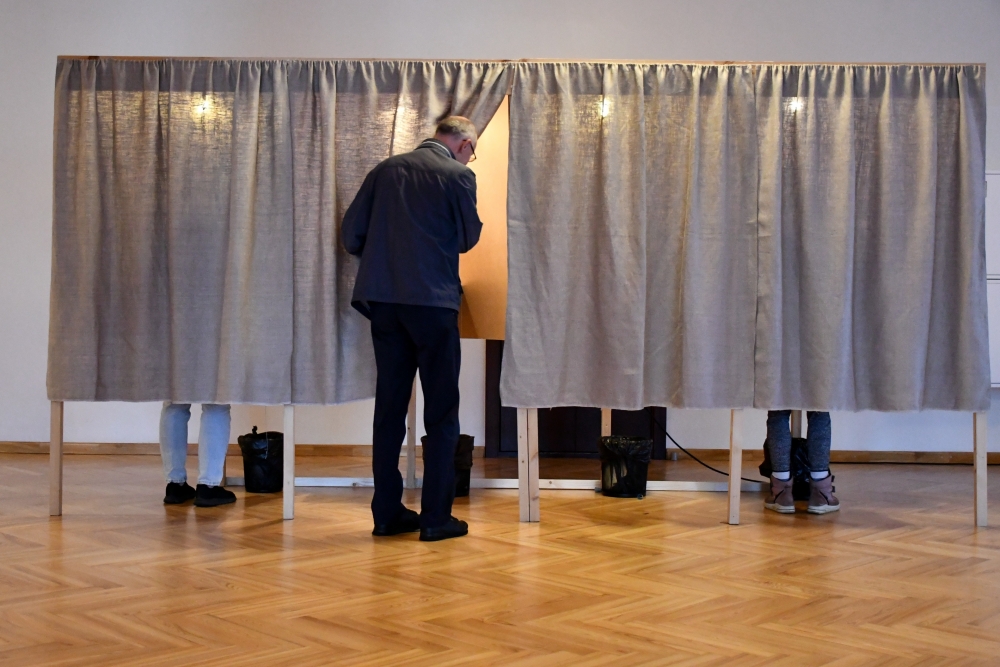
In this year's 15th Saeima election, Latvia's parliamentary vote, 806,641 of 1,557,615 eligible voters cast ballots, or 51.79%, according to the Central Election Commission. It is the lowest turnout in the history of Saeima elections. Analysts stress, however, that the figure cannot be explained by public apathy alone, and call for more in-depth research.
Comparison with earlier votes
About 751,000 eligible voters stayed home, more than the combined populations of Riga (588,911) and Daugavpils (77,486). Turnout was 59.4% in 2022 and 54.6% in 2018. Compared with the 14th Saeima election, there were 109,727 fewer voters.
Three processes behind the headline figure
The think tank Providus identifies at least three causes: very low diaspora participation, the fading of the mobilisation seen in 2022 amid the war nearby, and a deeper drop in turnout in some ageing territories with shrinking populations.
Excluding voters registered abroad, turnout among people living in Latvia was about 57.7%, against 57.5% in 2018. The number of eligible voters registered abroad has grown from roughly 135,000 since 2018 to 199,452, while the number who voted fell from 31,946 to 23,196. Diaspora turnout dropped from 23.7% to 11.6%.
University of Latvia researchers cite lost ties with Latvia, very low trust in politicians and disappointment with the parties on offer. Providus director Sanda Liepiņa adds that some people abroad may no longer hold a valid Latvian identity document.
Municipal data do not confirm that Russian-speaking voters' demobilisation was the main cause. Instead, the older a municipality's population, the lower its turnout.
Recommendations
Providus suggests reporting turnout separately for voters in Latvia and abroad, regularly analysing municipal-level figures, reviewing diaspora voting arrangements and considering a democracy audit led by the State Audit Office; the last one was carried out in 2014. Political scientist Andis Kudors argues parties must restore voter trust themselves by defining their ideological positions more clearly. Latvia sets no minimum turnout threshold, so low participation does not by itself invalidate the result.