Storm exposes weaknesses in Latvia's critical infrastructure
The August 22 storm left about a third of Latvian households without power and disrupted mobile networks, exposing the country's vulnerability to prolonged electricity outages. One person died and several were injured.
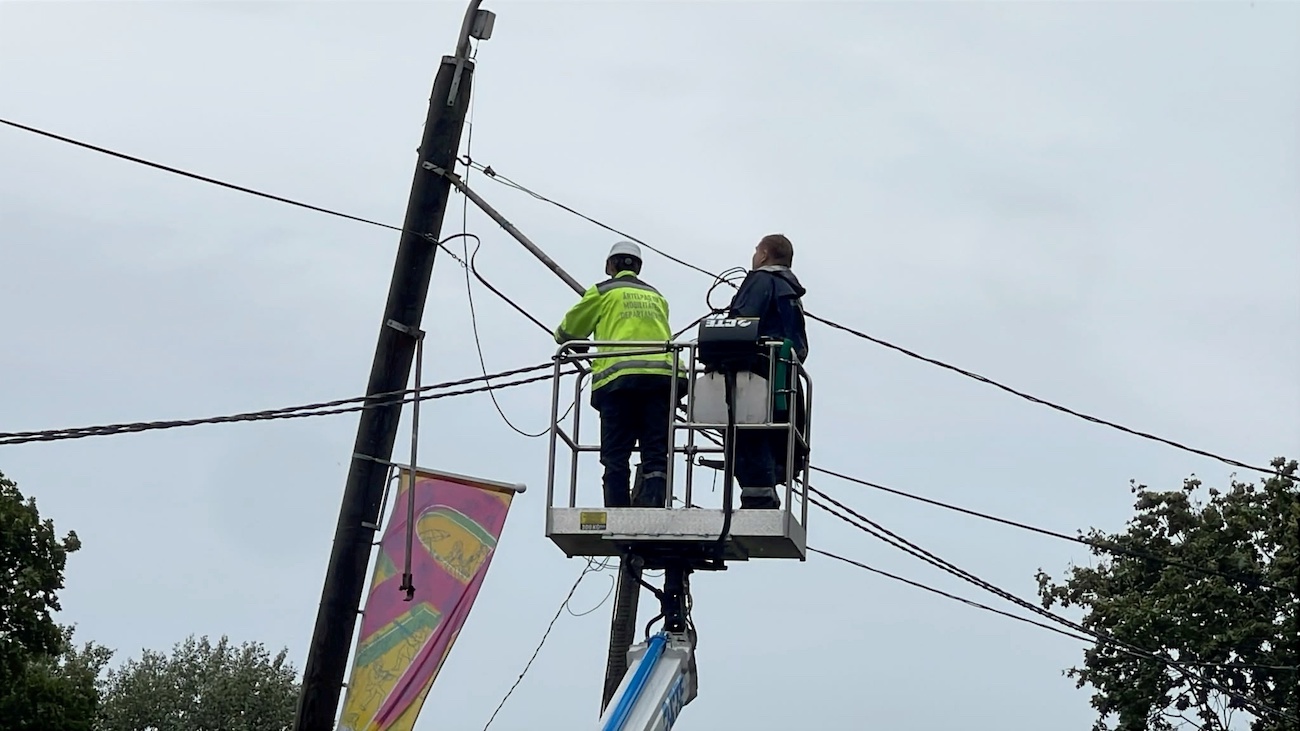
The storm that swept across Latvia overnight from Saturday to Sunday has turned into a serious test of the country's critical infrastructure. By Sunday morning, roughly one in three households were without electricity, and disruptions to the power grid also affected mobile network base stations, leaving tens of thousands of people temporarily without internet or mobile service.
Experts say that once the immediate damage is addressed, authorities should carefully assess how essential national systems would cope if a power outage lasted not hours but several days — a factor that could prove decisive not only during natural disasters but also in cases of deliberate sabotage or other geopolitical threats.
Infrastructure affected
At its peak, the power outage affected around 277,000 customers. Mobile operator Bite reported about 200 base stations without centralized power, LMT said disruptions affected roughly 3% of its connections — about 46,600 out of its 1.554 million — while Tele2 also acknowledged problems but has not yet released exact figures. Operators are relying on backup batteries and generators, though access to some stations is hindered by fallen trees and flooded areas.
The storm also affected the transmission network: 46 of more than 150 substations operated by transmission system operator AST experienced disruptions, five 330 kV lines were damaged, and 44 110 kV lines were affected.
Casualties and emergency response
Fourteen people required medical assistance because of the storm, and one person died in Jelgava when a building structure collapsed. By 7 a.m. Sunday, rescue services had received 1,876 reports of wind-related damage — more than during the entire series of major storms in summer 2024. Most calls concerned fallen trees blocking roads or damaging buildings, cars and power lines.
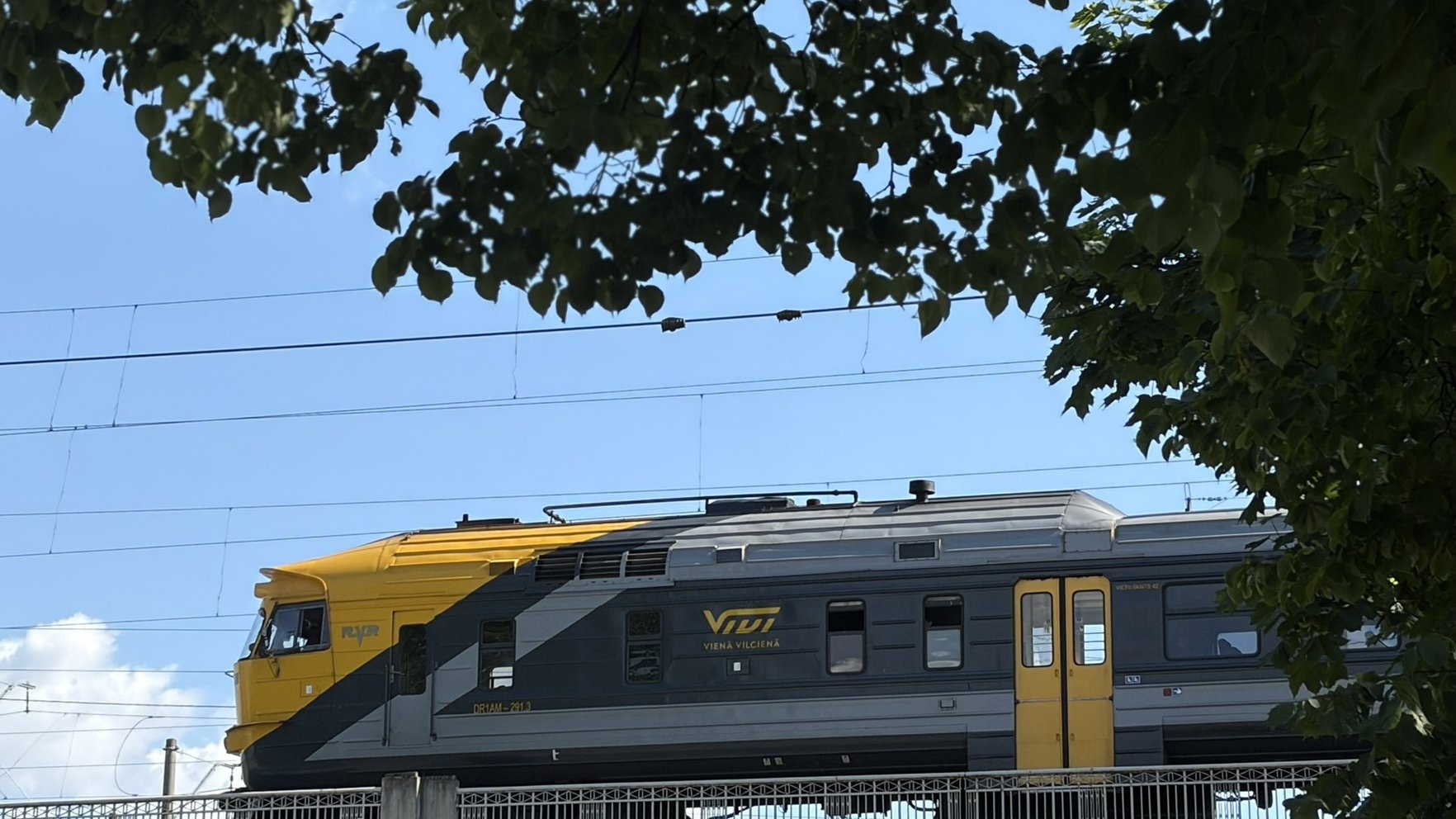
Rail traffic was also disrupted, with train services halted or limited in several directions, cancellations and delays of several hours; by midday, service had still not been fully restored on some routes.
On Saturday, some areas received roughly half of the average monthly rainfall in a single day, flooding streets and low-lying areas — underscoring that stormwater drainage systems are unable to cope with such intense precipitation.