Vidzeme students prepare proposals for regional development programme
The Vidzeme Planning Region and Vidzeme University of Applied Sciences are running an academy where students learn regional planning and draft proposals for Vidzeme's development programme. The proposals are due to be presented in December.
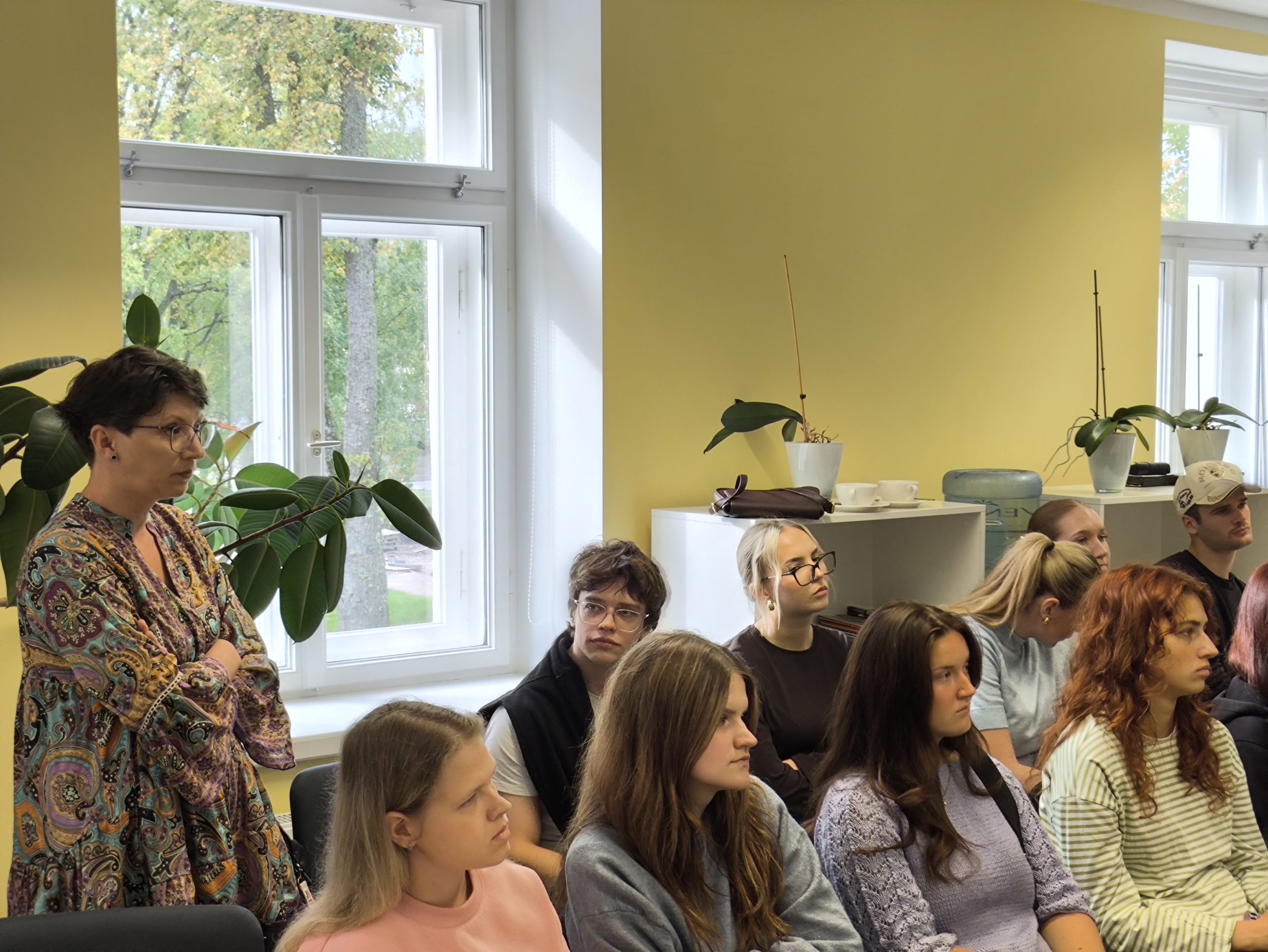
The Vidzeme Planning Region (VPR), together with Vidzeme University of Applied Sciences (ViA), is running the Regional Opinion Leaders Academy. Its aim is to encourage civic engagement among young people and ensure their views are taken into account in regional development in Vidzeme, a region in northern Latvia. Students are preparing proposals for the next VPR development programme, VPR public relations specialist Zane Kaķe told the portal Valmieras Ziņas.
The academy is part of the INFLUENCE project, which runs in 2026–2027. It is co-financed by the European Union from the European Regional Development Fund, and VPR implements it together with the Sustainable Development and Environment Competence Centre of the Regional Council of Southwest Finland.
What has happened so far
The programme consists of nine sessions, held in person and online until the end of January 2027. Participants are senior-year students of ViA's bachelor's programmes in communication and public relations and in media studies.
The first session, in September, covered what VPR is, its planning documents and why they matter for residents' quality of life. At the end of September, the students visited Alūksne municipality, where they met local government representatives, discussed planning documents, the risks linked to the eastern border area and support for entrepreneurs, and learned about a local entrepreneur's experience and the development of the Alūksne narrow-gauge railway station.
In early October, a workshop titled "Vidzeme 2035: from a vision of the future to a policy proposal" took place in Cēsis. It addressed what should change in regional policy so that Vidzeme in 2027–2035 is a region that is good for living, working and starting businesses. Participants learned to use data and research, consider stakeholders' views and turn ideas into evidence-based policy proposals. The students will work on their proposals in groups until 9 December.
What is next
Four more sessions are planned by the end of November. They will cover the role of business in sustainable regional development, the impact of geopolitics on regional development and economic security, and the Gauja National Park bioregion. At the end of November, Latvian and Finnish young people will jointly discuss how regions can influence decision-making at EU level.
The proposals are due to be presented in December. In January, a final online session will address how changes in the EU operating environment may affect regional development, as well as disinformation and media literacy, including a digital game for checking facts.


