Are Smart Bulbs More Expensive to Run Than Standard LEDs?
Smart bulbs consume slightly more energy than standard LEDs due to standby power draw for connectivity, adding about $0.35 to $1.30 per year per bulb. However, features like scheduling and dimming can offset this cost and even lead to savings.
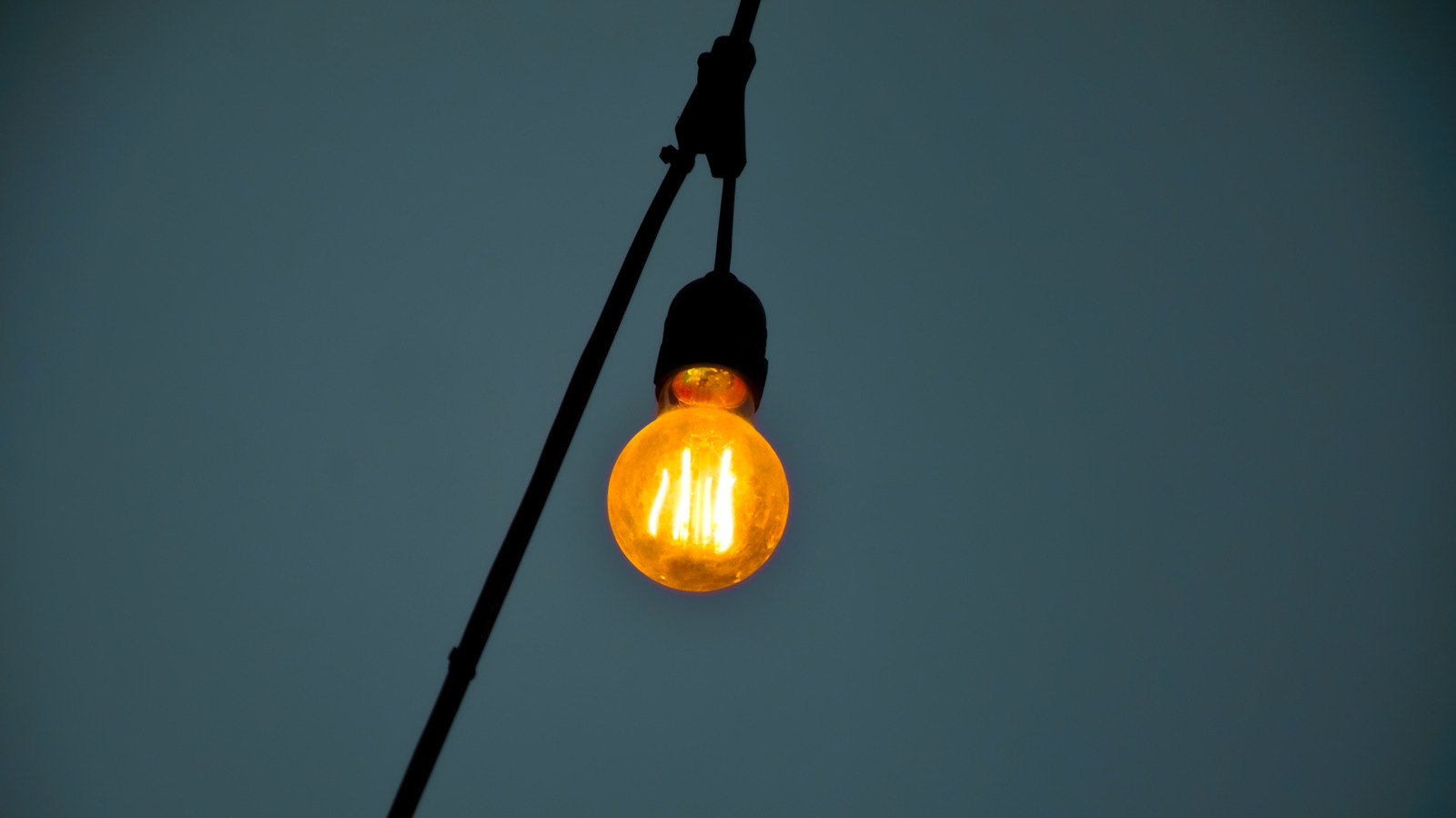
Smart bulbs have become increasingly popular in recent years due to their ease of use and as a simple entry into smart home automation. However, many wonder if they consume more energy than traditional LED bulbs. The answer is yes—smart bulbs do use a bit more power.
Both smart and standard LEDs produce light with the same efficiency, but standard LEDs draw no power when turned off. Smart bulbs, on the other hand, consume a small amount of power in standby mode to maintain connectivity with Wi-Fi or a hub. According to a 2019 study published in ScienceDirect, of the 30 smart LED bulbs tested, 21 had standby power consumption levels below 0.5 watts, meeting Energy Star requirements.
How much extra energy does a smart bulb use? Standby power consumption varies by manufacturer. For example, TP-Link Tapo advertises about 0.2 watts in standby, while Philips Hue states that most of its modern products consume less than 0.5 watts. A single bulb's standby power adds about $0.35 to $1.30 to the annual electricity bill, depending on local utility rates. For most people, this difference is negligible.
The U.S. Department of Energy notes that devices left in standby mode account for 5 to 10 percent of a home's total electricity use, but the biggest culprits are microwaves, televisions, routers, and computers.
Can you still save money in the long run? Absolutely. The extra power draw is so small that features like on/off control via app, schedules, and dimming can offset the cost and even reverse it. By reducing the time the bulb is on, these functions lower overall energy consumption.
Are there any other hidden costs? The most significant cost is the upfront price. Standard LEDs cost $1.50 to $4 per bulb, while smart bulbs range from about $6 (e.g., IKEA) to $90, with an average of $8 to $15 per bulb. Combo packs can reduce costs.
Do smart bulbs last longer than traditional LEDs? No, but it's nuanced. Smart bulbs typically have a slightly shorter lifespan: 15 to 25 years versus 20 to 40 years for standard LEDs, due to additional components that may wear down. However, smart bulbs often run for fewer hours thanks to scheduling and dimming, which can offset the difference.