Vilnius conference: how Russia's cognitive warfare erodes trust in Western societies
At a defence conference in Vilnius, experts said Russian influence efforts aim to reduce trust in governments and institutions and deepen social divisions. People need not believe propaganda for this to work.
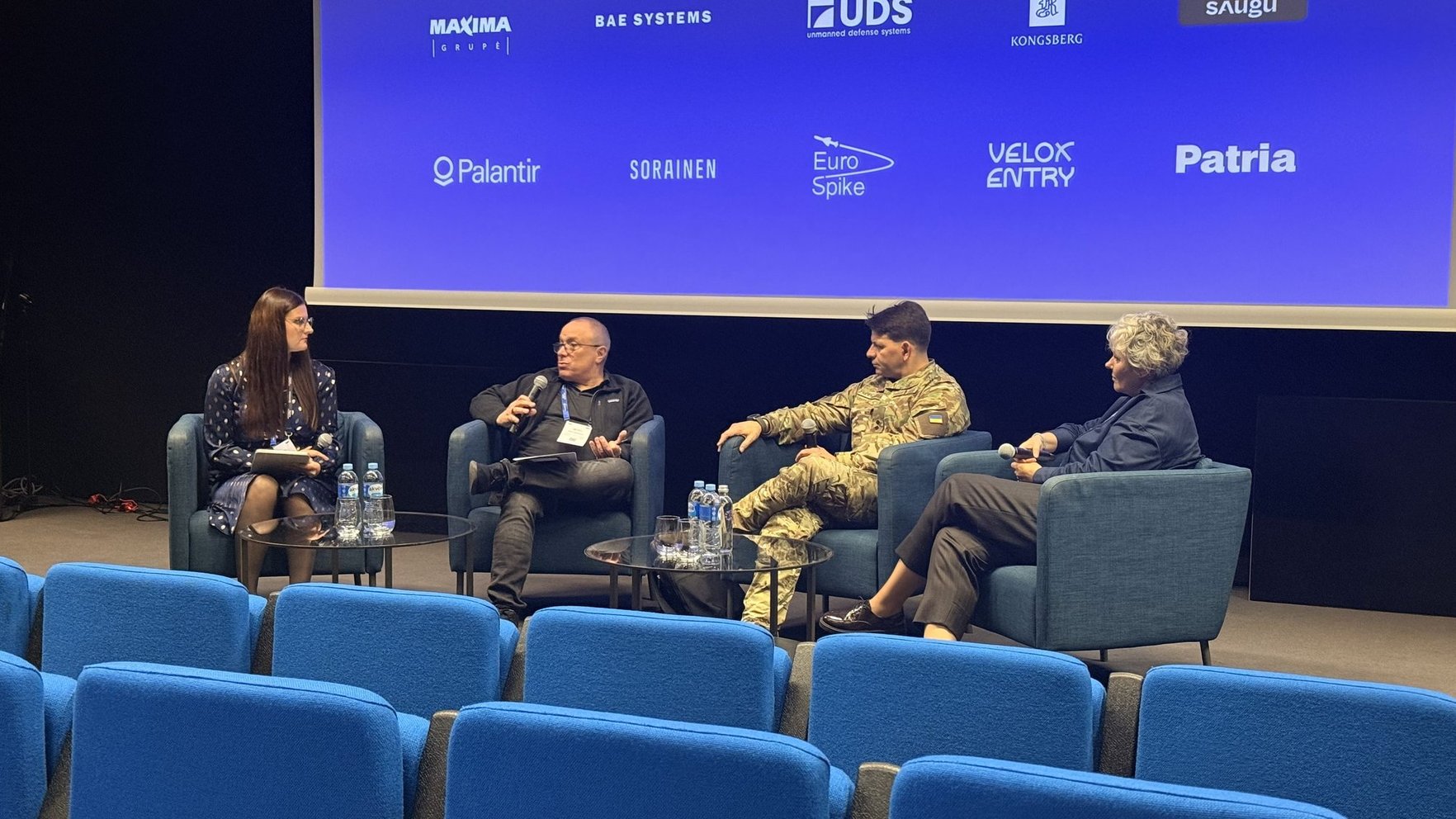
The defence conference "Defending Baltics 2026: The War Above Us" is taking place on 26 and 27 October in Vilnius, the capital of Lithuania, bringing together defence industry representatives, researchers and other interested participants. A discussion on the first day focused on Russia's cognitive warfare: long-term influence activities aimed at shaping Westerners' perceptions, including how Russia's role as the aggressor in the invasion of Ukraine is viewed. The topic matters because such efforts can weaken public trust in their own states and support for Ukraine.
According to the speakers, for Russian influence to succeed, a person does not have to support Russia, President Vladimir Putin or believe propaganda. It is enough that they begin to trust their government, army or institutions less, and that existing divisions in society grow deeper.
Broader than false news
Brian Whitmore, a lecturer at the University of Texas at Arlington and senior fellow at the think tank the Atlantic Council, stressed that cognitive warfare is far broader than spreading untrue information. He described it as a long-term process that shapes people's views of history, their country and the world around them. In this way Russia seeks not only a more favourable attitude toward its actions but also to sow doubt about its opponents' honesty and the justification of their conduct, which can reduce support for Ukraine's resistance.
Whitmore compared this approach to an "anti-doctor": a doctor looks for a problem and tries to help, whereas Russia, seeing a highly polarised society, asks how to make the situation even worse.
Agne Zekonyte, an adviser at Lithuania's Ministry of Defence, said cognitive warfare combines informational, cyber, cultural, psychological and other activities that complement each other and can influence people's behaviour, thinking and even feelings. In her view, it is therefore not enough to follow individual disinformation messages on social media; the overall picture must be assessed. She noted that such influence operations have been observed in Lithuania with growing frequency in recent years.
The betrayal narrative
Whitmore has studied the narratives Russia uses to shape public perceptions in its favour. One of the most persistent portrays Russia as a country that Western states have long cheated, humiliated and tried to weaken. He calls it the betrayal narrative.