Vilnius Bridge Unveils Empty Pedestals to Promote Foster Care
Empty pedestals were unveiled on Vilnius' Green Bridge to symbolize that there are no perfect children, aiming to encourage people to become foster carers. The campaign highlights the thousands of children in institutional care and the need for more foster families.
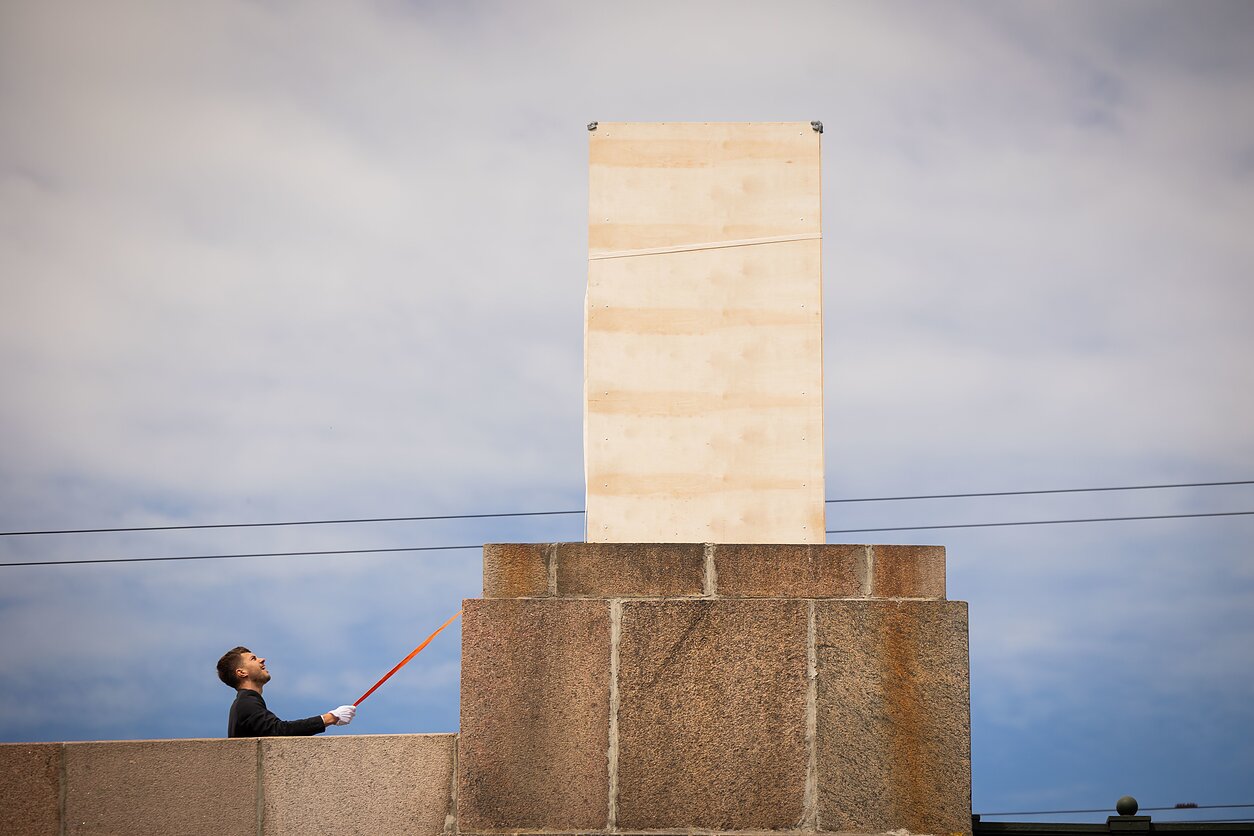
On Thursday, new pedestals were unveiled on the Green Bridge in central Vilnius, supposedly dedicated to "perfect children." However, when the boxes covering them were removed, the pedestals were found to be completely empty. The installation was designed to convey that there are no perfect children, but there are children who need adults, and to encourage people to consider foster care.
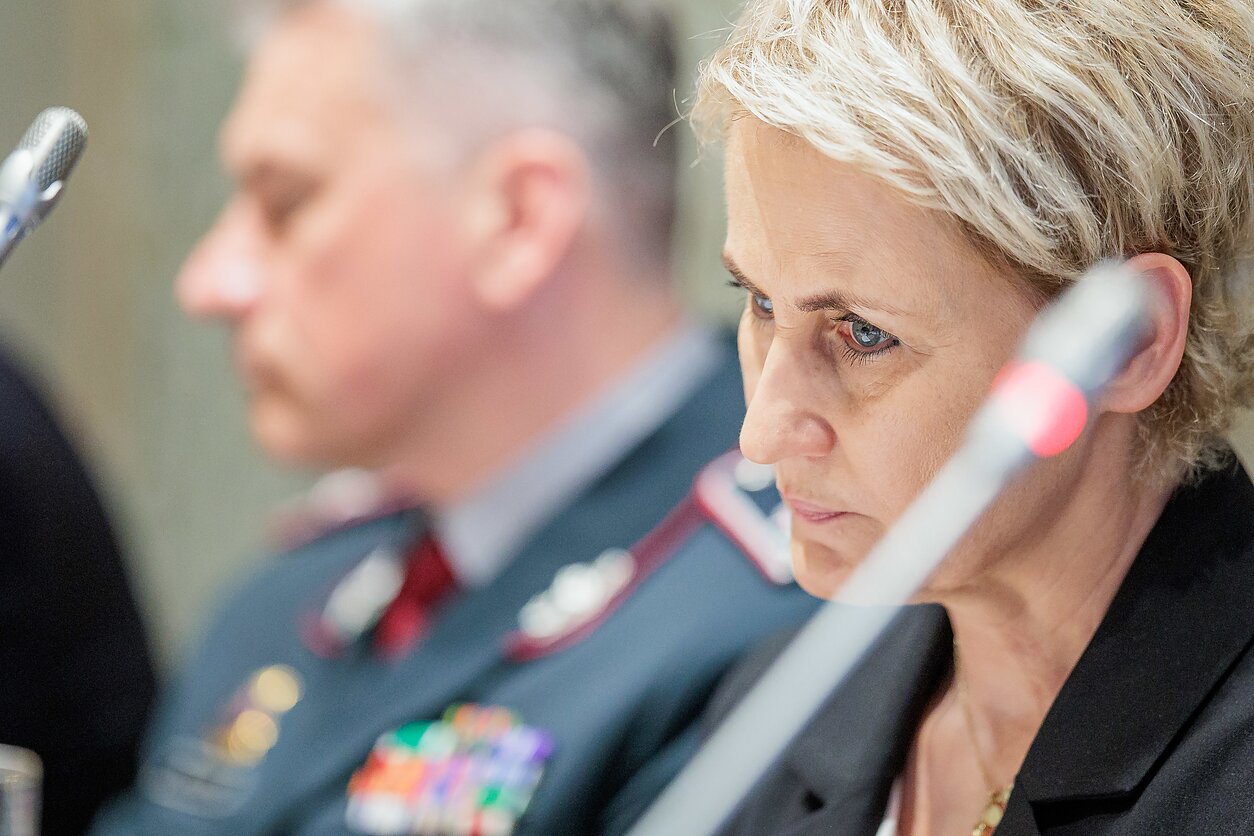
Ilma Skuodienė, director of the State Child Rights Protection and Adoption Service, stated at a press conference that there are no perfect adults either. She emphasized that every child, whether without parental care or growing up in a family, needs attention, love, and a connection with a caring adult.
Currently, 938 children in Lithuania live in residential care homes, down from 995 at the end of 2025 and 1,118 at the end of 2024. Over 3,000 foster carers across the country are looking after more than 4,600 children. Rita Grigalienė, deputy minister of social security and labour, noted that attitudes toward foster care are improving but further progress is needed.
The situation is particularly acute in Vilnius, which has signed the most emergency foster carer agreements in Lithuania—38—but around 100 would be needed to fully guarantee children's safety in crises. There are 195 children in institutional care in the capital. Deputy mayor Simona Bieliūnė said that the average age of children in institutional care is 14 to 15, and that society's assumptions about teenagers often deter potential foster carers.
The campaign also drew on a Norstat survey finding that only 42% of Lithuanian residents agree that there is no perfect child. Of the remaining 58%, 31% described a perfect child as one who behaves well, 24% who does well at school, 21% who always obeys parents, and 16% who has no bad habits.
Rugilė Ladauskienė, project manager at the foster care network Vaikai yra vaikai (Children are Children), explained that a child's behavior is only the tip of the iceberg, hiding unmet needs. She urged adults to act like detectives to identify and meet those needs. The survey also found that 36% of parents spend quality time with their child to meet emotional needs, 31% hug their child and say they love them, and 29% have lengthy conversations about their child's feelings.
About one in four respondents said they had considered or were considering becoming a foster carer, most commonly parents of two or three children aged 30–39 living in Kaunas or the Alytus region. Experts noted that foster carers are hardest to find for teenagers, larger sibling groups, and children with disabilities.