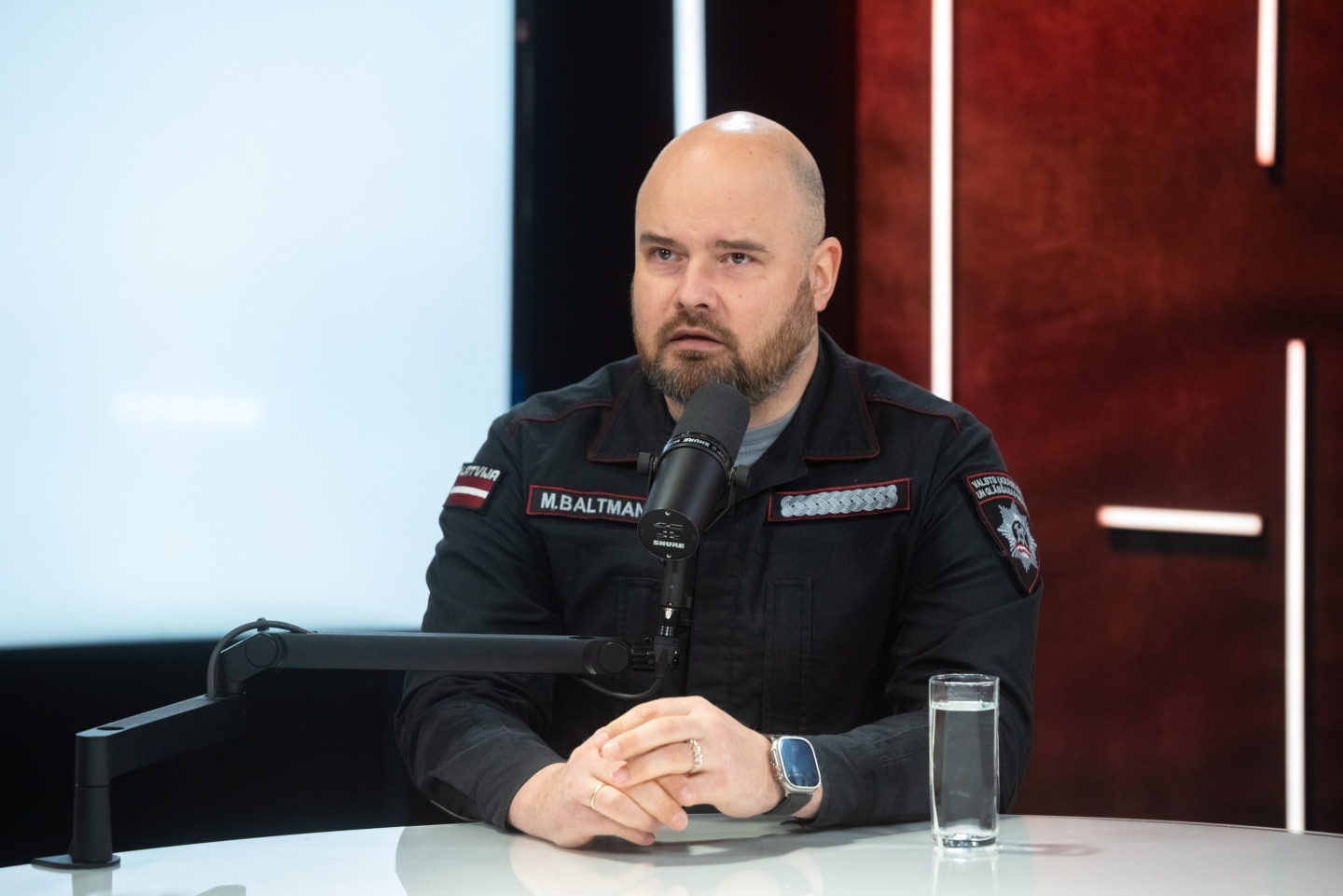
Latvia's rescue service fears residents are taking cell broadcast alerts less seriously
Latvia's State Fire and Rescue Service (VUGD) says a new survey shows some residents pay too little attention to cell broadcast alerts or do not act on them. The service chief and a psychologist urge people to follow warnings and prepare an action plan in advance.

Latvia's State Fire and Rescue Service (VUGD) is concerned that some residents are beginning to treat cell broadcast alerts, which notify people of danger via mobile phones, less seriously. The finding follows an online survey by the research company Norstat in November 2026, in which 1,004 respondents across Latvia took part. The results show that warnings do not always prompt action that could matter for personal safety.
What the survey shows
Almost 95% of respondents have received cell broadcast alerts, and 89.4% have received them several times. More than half, or 51%, take them seriously. Yet only 9.3% say they act immediately as instructed, while 41.7% check additional information first. Nearly a quarter, 24.4%, notice the alerts but do not always see a need to act. Another 11.7% do not act because they believe the threat will not affect them personally. In Latgale, one in three, or 33.3%, pay attention to the alerts, but not always with action.
The service's explanation
VUGD chief Baltmanis stressed that a cell broadcast alert is official, reliable information from responsible authorities. If it calls for immediate action, searching for more information can cost time needed for self-protection. He said the broadcast is activated only after, for example, the National Armed Forces have verified information about a real threat. To show why early warning matters, he cited the 2021 floods in Germany and Belgium, which killed 157 people; Belgium had no such system at the time.
Psychologist's advice
Psychologist Diāna Zande names information overload and fatigue as one reason people ignore warnings. She recommends a personal action routine: read the alert, follow what it says, and only then look for extra information. She also suggests discussing in advance how the family would act, for example who would contact relatives.
This year, alerts about a possible threat to airspace have been sent several times in Latgale and Vidzeme, and some drones have fallen and exploded in Latvia; one was shot down.