Winterson: no inevitable dystopia, AI's impact is a matter of human choices
British author Jeanette Winterson tells The Guardian that the dangers of artificial intelligence stem from political and economic choices, not the technology itself. She urges protecting the humanities and rethinking higher education.
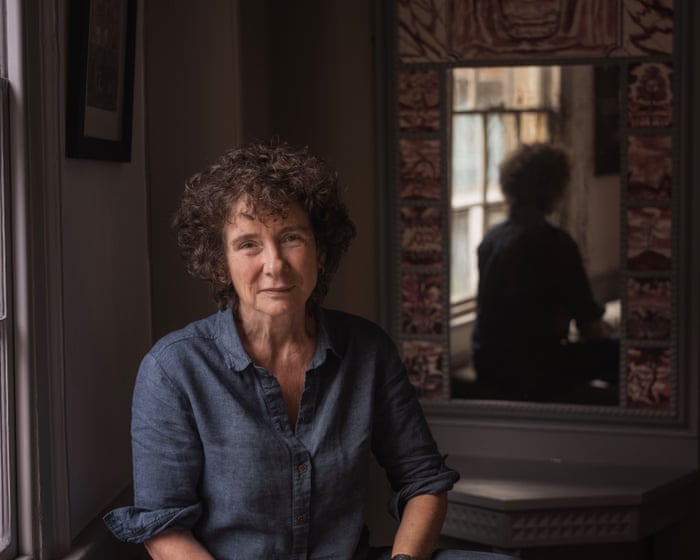
British author Jeanette Winterson, whose debut novel is Oranges Are Not the Only Fruit, has set out her views on artificial intelligence and the future of humanity in an interview with The Guardian. She argues that no dystopia is inevitable, and that any harm will come from old-fashioned thinking applied to an entirely new reality.
Winterson has explored the subject for at least 15 years. Her 2007 novel The Stone Gods depicts a world after a climate catastrophe, while her 2021 essay collection 12 Bytes examines how AI could change life. She says she has just returned from China, where her first novel has sold more than a million copies over the past six years. She now hopes to persuade the production company Goalhanger to give her a podcast called The Rest is Human.
A choice, not a fate
Winterson would prefer to call AI "alternative intelligence" and sees it as an evolutionary leap rather than a mere tool. She compares the moment to the Industrial Revolution, whose gains were not shared fairly. In her view, fears about work and AI largely come down to political and economic decisions that powerful people will make using out-of-date economic models. She also criticises Silicon Valley's goal of getting out of the body, saying some leading tech figures are not connected to their feelings.
The humanities and higher education
The interview also touches on the state of the humanities in the UK: in the year to December 2024, 4,000 jobs in social sciences, humanities and arts were lost. Exeter University announced it would cut 150 roles, while Nottingham said it would end its modern languages and music degrees. Winterson, who has been professor of new writing at the University of Manchester for 14 years, believes higher education needs a top-down restructure.