WSJ: Putin Approves Stepping Up Sabotage Campaign in NATO Countries
Russian President Vladimir Putin has personally approved intensifying sabotage in NATO states, The Wall Street Journal reports, citing three European officials. Intelligence services warn of new hybrid attacks in Europe.
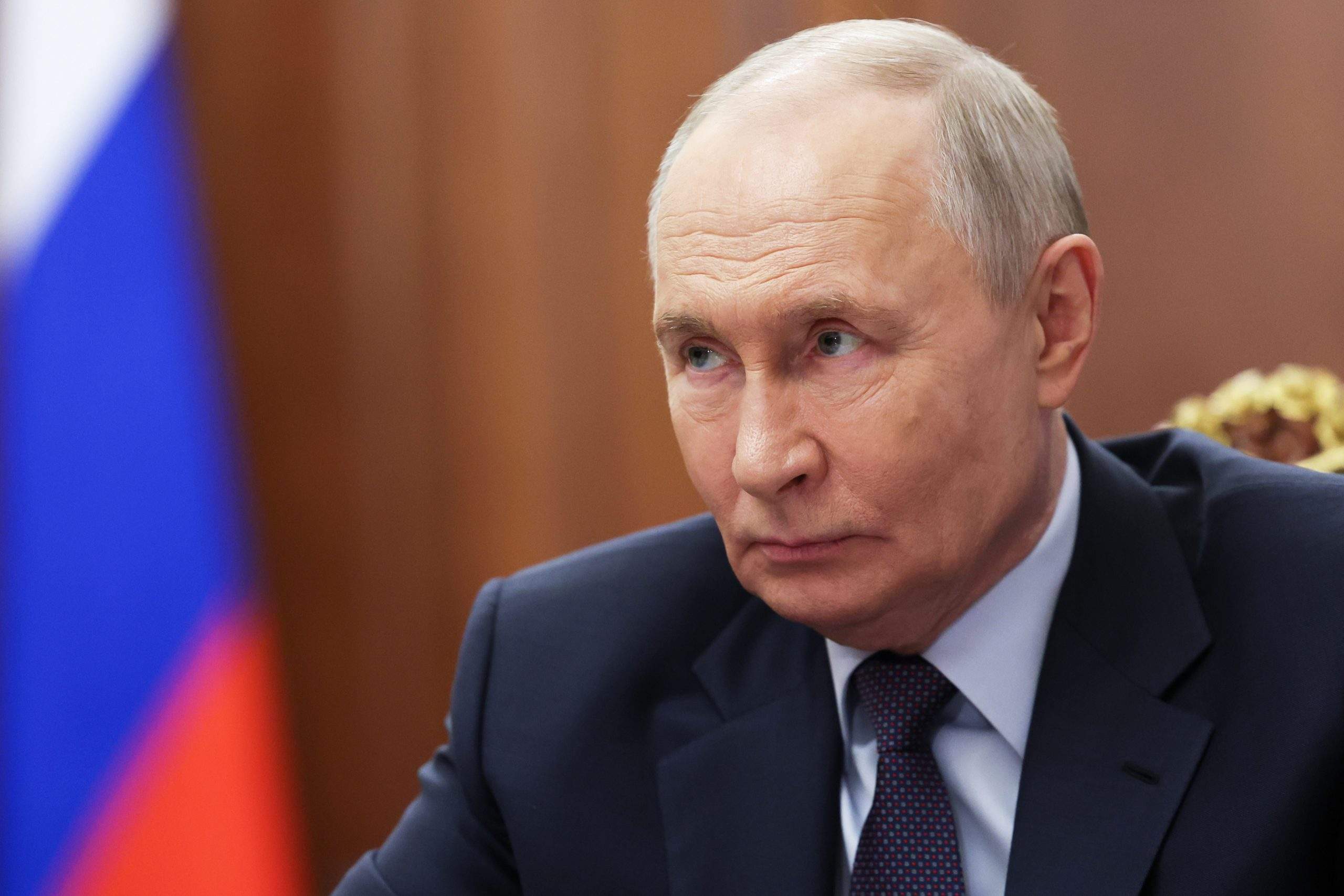
Russian President Vladimir Putin has personally approved a decision to step up a sabotage and covert operations campaign against NATO member states, the U.S. newspaper The Wall Street Journal (WSJ) reported on 21 October. The paper cites three European officials briefed on U.S. intelligence findings. According to the intelligence assessment, new hybrid attacks could occur in Europe, similar to the incident near the German city of Leipzig in August this year.
What happened in Leipzig
On the night of 5 August, staff at Leipzig-Halle airport found a drone loaded with explosives next to a Ukrainian An-124 cargo aircraft; the explosives were neutralised. Another drone collided with the cargo plane, causing minor damage, and a third detonated near the airport grounds. German authorities described the incident as a failed hybrid attack and later blamed Russia. Moscow denies any involvement.
WSJ sources say U.S. intelligence regards the case as one of the first signs of an intensified campaign. One source claims a contact in Moscow warned through an unofficial channel that this attack would not be the last.
A possible covert network
After the incident, Western security services uncovered a Moscow-linked network of agents that investigators believe smuggled explosives, drones and weapons. Hideouts and caches were found in various European cities, often near airports and defence companies. According to the WSJ, such operations are run by the Special Tasks Service (SSD), created in 2023 to unite several Russian covert structures.
Investigators believe the Leipzig incident was coordinated by Oleg Levushkin, a former Russian officer recruited by Russian military intelligence. He may have run a network that used Serbia as a logistics hub. Serbian prosecutors have announced the detention of seven people.
Other incidents in Europe
Authorities in Bulgaria, Lithuania, Latvia, Poland, Slovakia and Estonia have reported fires at defence industry companies, possible attacks on Starlink stations and drone incidents near commercial ships. Officials suggest the aim may be to sow chaos and boost European political forces opposed to continued military aid for Ukraine.
The Kremlin's frustration has reportedly grown both because of Russian military setbacks on the Ukrainian front and because talks with the U.S. have not produced the hoped-for results. Thomas Graham, a former senior U.S. official who takes part in informal talks with the Kremlin, said Moscow was disappointed that relations with Washington had not normalised as quickly as it had expected.