Gut Bacteria May Signal Pace of Aging, Hawaiʻi Study Finds
University of Hawaiʻi researchers found a link between gut microbiome makeup and the pace of biological aging. The study does not establish cause and effect.
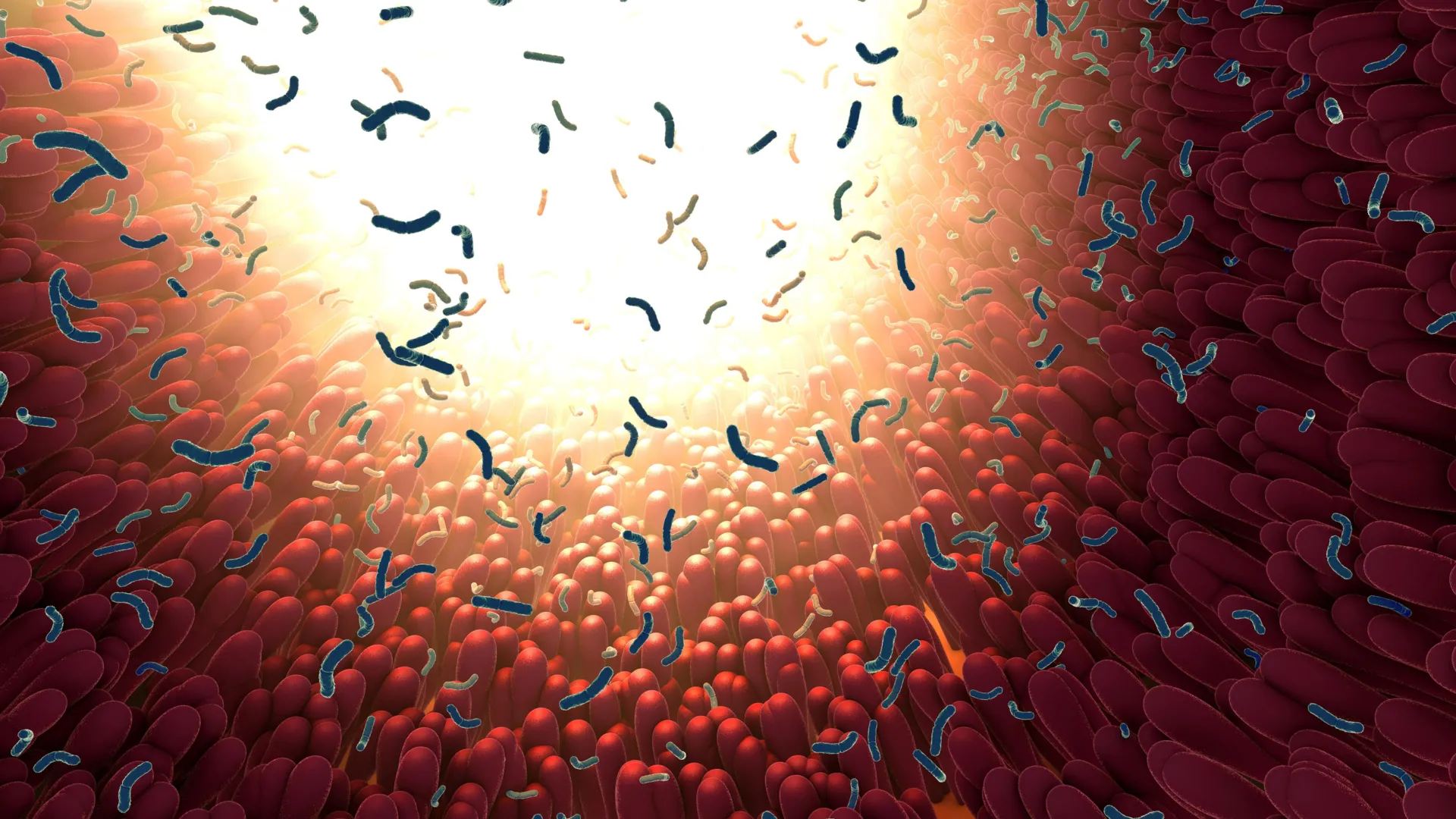
Researchers at the University of Hawaiʻi at Mānoa, analyzing samples from 123 adults, have found a link between bacteria living in the gut and the speed of the body's biological aging. The study was published in the journal Scientific Reports. Differences in the gut microbiome, the community of microorganisms in the digestive system, accounted for about 15% of the variation in participants' biological aging rates. The results suggest the microbiome may offer clues about aging at the molecular level.
How the study was done
Scientists examined stool and blood samples from adults across a wide range of ages. They identified the bacteria in each person's gut and compared them with blood-based molecular markers that estimate how fast the body is aging. Biological aging differs from chronological age, which only reflects the number of years lived.
The association was found with DunedinPACE, an advanced biomarker that measures the pace of biological aging. Bifidobacterium adolescentis was among the microbes most strongly linked to slower aging, while Succinivibrio dextrinosolvens showed one of the strongest links to faster aging.
Including underrepresented groups
Lead author Braden P. Kunihiro noted that, unlike chronological age, the microbiome can change with diet, lifestyle and environment. The study also included Native Hawaiian and Pacific Islander participants, groups historically underrepresented in aging research. Co-author Ruben Juarez said this could help show how social circumstances and environment leave lasting biological effects.
Limitations
The researchers stress that the study does not prove cause and effect: finding certain microbes in people who age more slowly does not mean those bacteria slow aging. Further research is needed to determine whether deliberately altering the microbiome can influence biological aging or improve long-term health. Senior author Alika K. Maunakea of the UH Mānoa John A. Burns School of Medicine called the work an important early step toward understanding the microbiome's relationship with healthy aging.