Zelensky’s 40-day influence operation against Russia: what has it achieved?
Ukraine says its 40-day influence operation has hit Russian oil infrastructure and logistics, while Russia has intensified missile strikes. Peace talks have not resumed, and Kyiv insists the campaign will continue beyond the initial window.
Ukrainian President Volodymyr Zelensky announced on June 25 that Kyiv had launched a 40-day "influence operation" against Russia, with the Security Service of Ukraine (SBU) assigned to carry it out. At the time, Zelensky did not specify the operation’s methods, but said its aim was to push the aggressor state to end the war. Now, forty days later, a picture of what the operation involved and what it achieved is emerging.
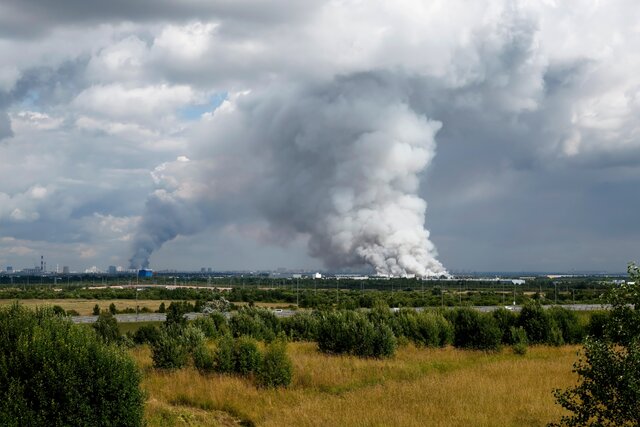
According to Ukrainian data, the operation included strikes on at least 20 Wildberries warehouses, at least 25 oil refineries and other oil and gas infrastructure facilities, and at least 200 attacks on tankers and cargo ships in the Black and Azov seas. Ukraine claims that these attacks took out a third of Russia’s oil refining capacity.
Russia, for its part, escalated its ballistic missile bombardment of Ukraine. In July, Russia launched 381 missiles, according to Ukrainian figures — the highest monthly total since the war began.
No peace talks have started. The Kremlin continues to say publicly that the goals of the "special military operation" will be achieved. Ukraine’s presidential office has signaled that the influence operation will not stop at the 40-day mark. In a statement, it said: "Don’t get hung up on all these arguments: 40, 50, 100, 15 days. What matters is the result."
/nginx/o/2026/09/28/17943614t1h4951.jpg)

