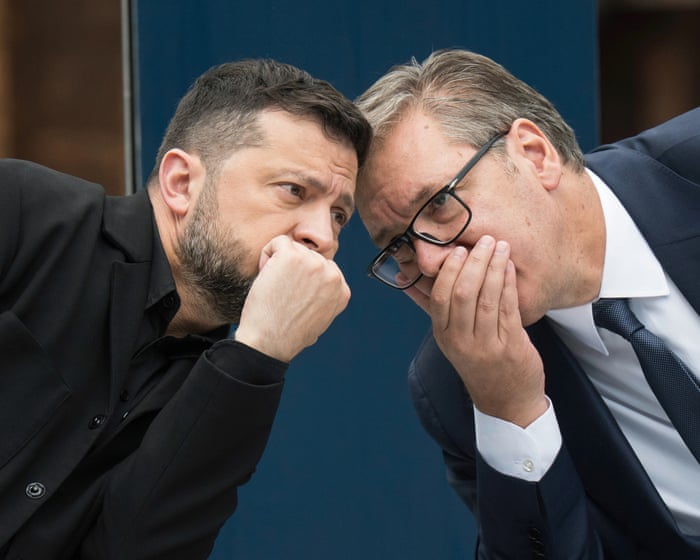
Zelensky: Carpathians could become an energy supplier for the European Union
President Volodymyr Zelensky told the Carpathian Economic Forum that the region could supply electricity to the EU, helping reduce dependence on Russia. The forum in Ivano-Frankivsk region gathered about 1,400 participants from 25 countries.
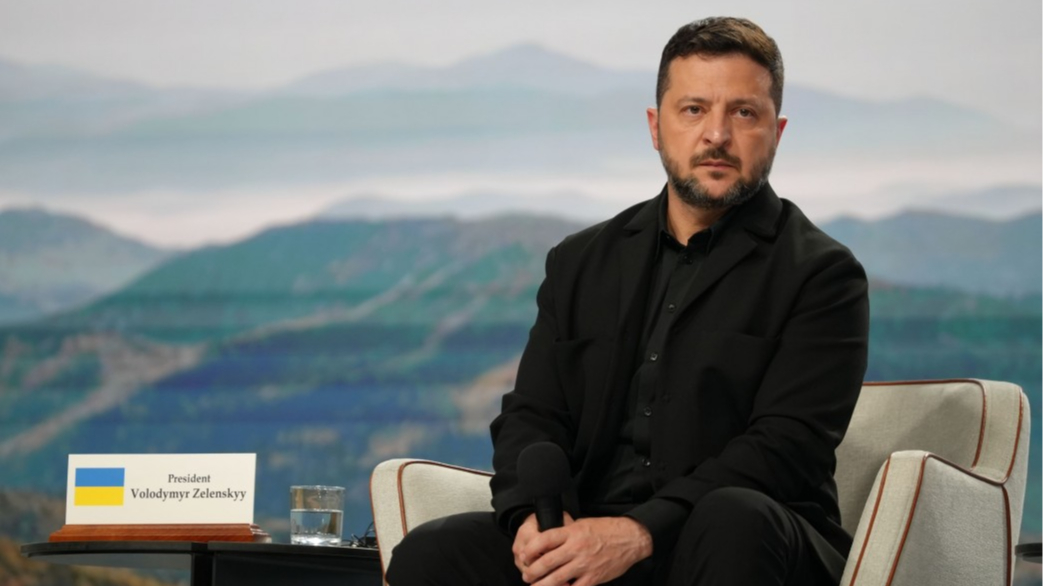
At the first Carpathian Economic Forum, President Volodymyr Zelensky said countries of the Carpathian region have significant potential to cooperate in the energy sector. He stated the Carpathians could become not just a transit region but an actual energy supplier to the European Union, through solar and wind power, energy storage, new interconnectors, and existing large underground gas storage facilities.
Zelensky proposed creating a Carpathian wind energy cluster with a capacity of 1.5 gigawatts. He said implementing such projects would help achieve energy independence from Russia.
Thousands of participants attend
The forum, held in the Ivano-Frankivsk region from September 18-20, brought together around 1,400 participants from 25 countries, with nearly 400 companies from all Carpathian Eight countries presenting their businesses. According to the President's Office, the forum's investment portfolio includes 95 projects worth over 42.5 billion euros in energy, industry, innovative technologies, and logistics, of which 55 projects worth 8 billion euros relate to Ukraine's Carpathian region.
Zelensky noted that roughly half of the investment portfolio concerns energy, and this sector should become one of the region's main contributions to Europe. Given Russia's aggressive policy, the president stressed the need to attract more investment and strengthen the region through better roads, railways, ports, and stronger energy links, emphasizing that security depends on countries' ability to work together and connect their systems.
New cooperation format
On September 18, Zelensky announced the creation of a new cooperation format, the "Carpathian Eight," uniting Ukraine, seven European Carpathian countries (Romania, Serbia, Poland, Slovakia, Czechia, Austria, and Hungary), and the EU. Forum participants adopted a declaration on intent to ensure cooperation between the region's countries, the EU, and interested partners, including through annual summits, as well as to strengthen cross-border cooperation, economic ties, security, and sustainable development of the Carpathian region.