Zelensky offers PM post to Naftohaz chief Koretsky; Svyrydenko to become ambassador to US
Ukrainian President Volodymyr Zelensky has offered the prime minister position to Serhiy Koretsky, head of state energy company Naftohaz, emphasizing protection of the energy system for the coming winter, which could be the toughest since the war began.
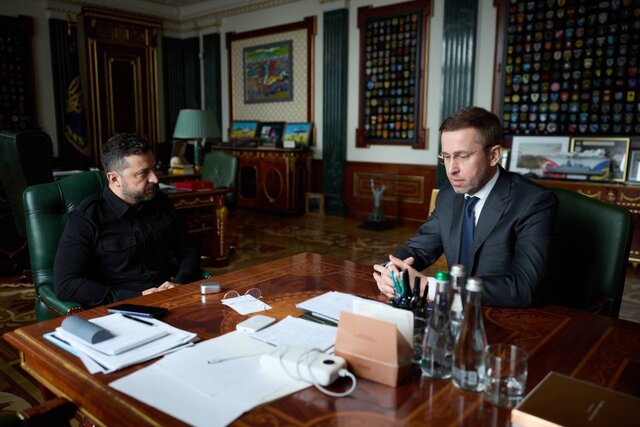
Ukrainian President Volodymyr Zelensky has offered the post of prime minister to Serhiy Koretsky, the head of the state energy company Naftohaz, the Ukrainian outlet Ukrainska Pravda reported, citing unnamed sources. Koretsky, 48, became CEO of Naftohaz in 2025 after three years leading Ukrnafta, which was nationalized from oligarch Ihor Kolomoisky. Under Koretsky, Ukrnafta turned from losses to profits and became one of Ukraine's most successful state-owned companies.
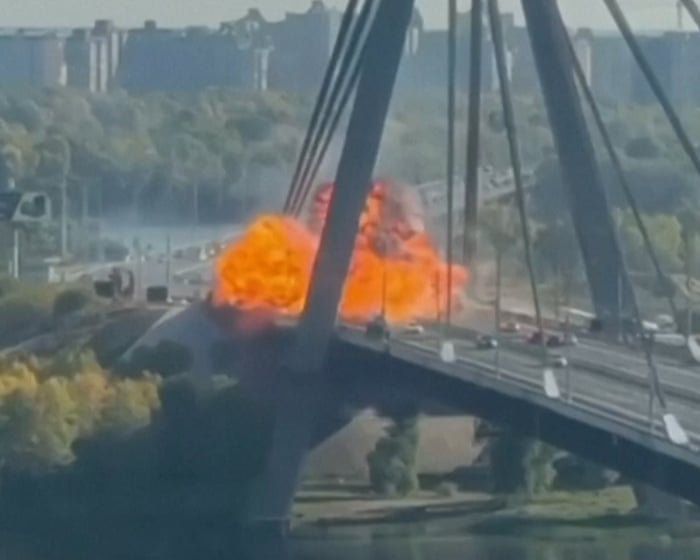
Zelensky had closely followed Koretsky's work and considered him "one of the strongest public-sector managers," according to sources. In making the offer, the president listed protecting Ukraine's energy system and preparing for the coming winter as top priorities. Due to Russian attacks on energy infrastructure, this winter could be the hardest since the start of the full-scale war.
Koretsky was surprised by the offer but accepted it. He admitted he does not fully grasp the scale of the challenges ahead but is willing to try, sources said.
Cabinet reshuffle
Zelensky decided to reshuffle the cabinet after Ukrainian ambassador to the US Olha Stefanishyna last week announced her intention to leave diplomatic service. The president saw it as an opportunity rather than a problem and decided to appoint Prime Minister Yuliia Svyrydenko as the new ambassador to Washington. Svyrydenko, who led the government for less than a year, had built relationships with members of Donald Trump's team while preparing the minerals deal.
Svyrydenko's departure is linked to a shift in the power structure after Kyrylo Budanov replaced Andriy Yermak as head of the presidential office, as well as Zelensky's desire for a more independent government. The presidential office had long set the cabinet's agenda, but Zelensky had grown tired of that model. Her departure is also tied to the presidential election schedule: the office reportedly accepted that the election could not be held this fall, opening the door for a new cabinet.
Fedorov's future uncertain
The prime minister's resignation brings down the entire cabinet. Its new composition has not yet been determined. Particular attention is on Defense Minister Mykhailo Fedorov, who has been praised for his technology-driven approach but criticized for handling military reform. Fedorov was asked if he would lead the government but declined, saying he had not yet carried out his plans at the Defense Ministry.
After his meeting with Zelensky, Fedorov was confident he would keep his current post. However, some sources believe he could be moved to a "symbolic position" because, in six months at the ministry, he came into conflict with every faction formed around the defense budget. A possible sign of Fedorov's demotion: while speaking with him, Zelensky asked Interior Minister Ihor Klymenko to be ready to move to the defense portfolio.