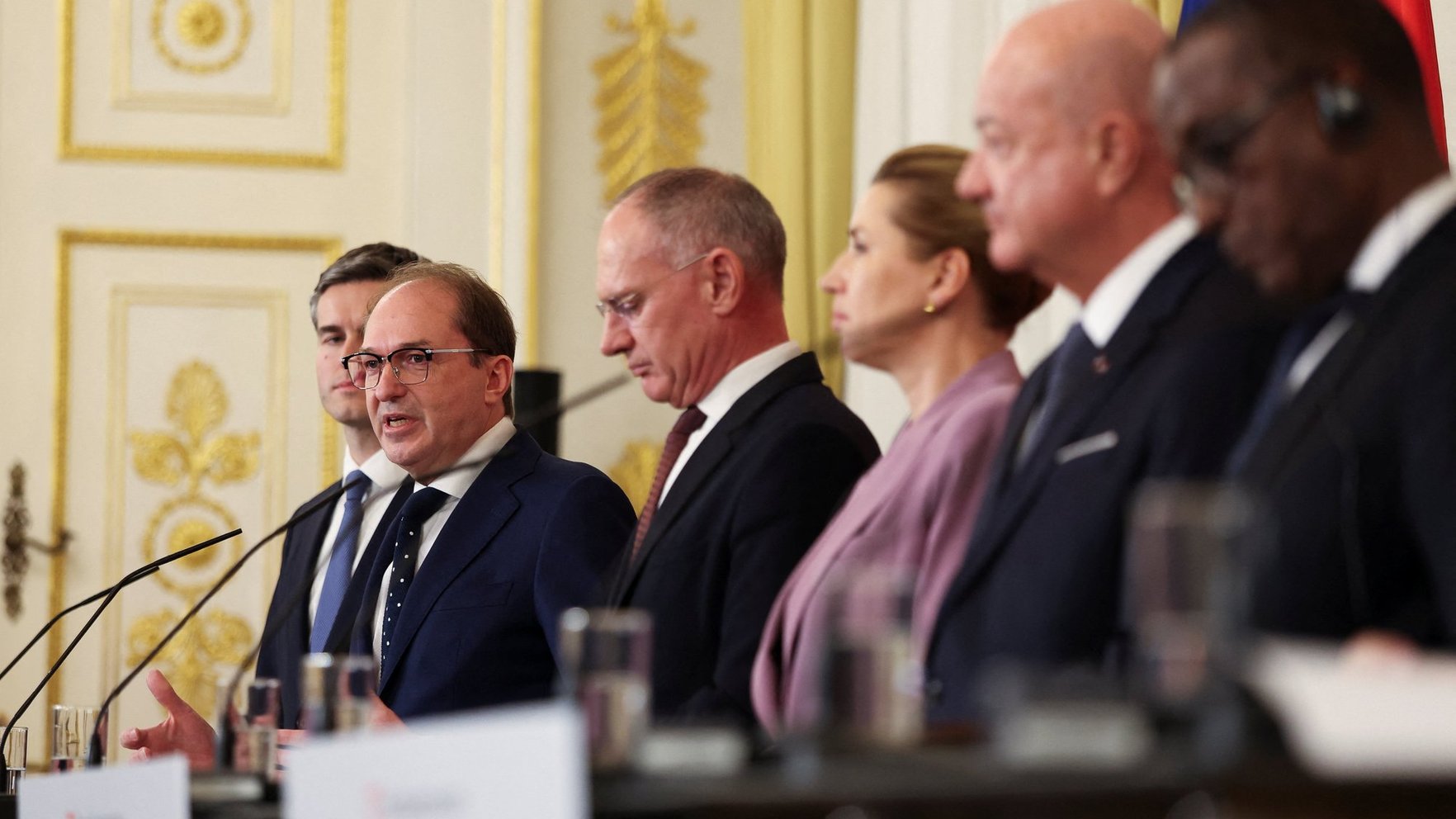
Geneva talks on controlling autonomous weapons end without mandate for a binding treaty
A UN conference in Geneva on conventional weapons failed to agree a mandate for negotiating a legally binding treaty on autonomous weapons. Russian objections and the consensus rule led to a much weaker outcome.
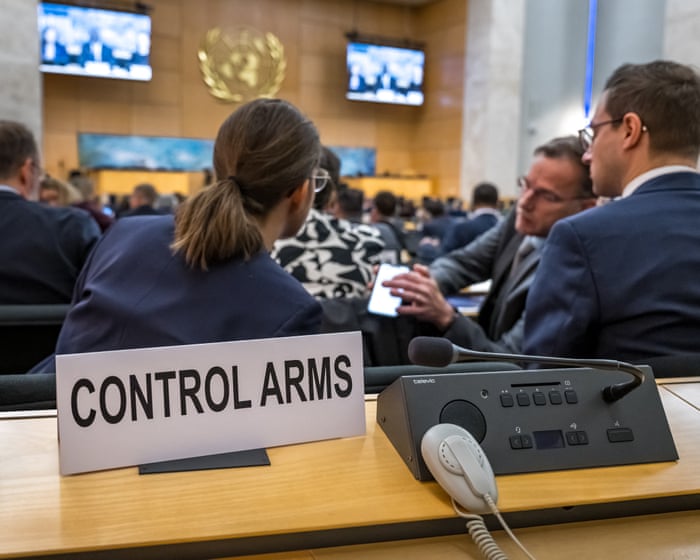
Week-long efforts at the Review Conference of the UN Convention on Certain Conventional Weapons (CCW) in Geneva to agree a mandate for negotiating a legally binding treaty on autonomous weapons, including armed drones, collapsed shortly before 5am on Saturday. All-night talks failed to overcome Russian objections. As a result, rules protecting civilians from such weapons will not take binding form any time soon.
Most states wanted a mandate leading to a binding treaty, but the consensus requirement forced the conference to adopt a far weaker option. It merely asks countries "to elaborate by consensus" an instrument that may carry no legal obligations.
Who blocked agreement
Russia led the objections and used stalling tactics from the first day, according to the source. Diplomats in the talks described this as deliberate filibustering, contrasting it with US delegates, who were said to be seeking a route to a consensus text. Even so, the US and other military powers that have invested heavily in AI warfare were reluctant to accept binding commitments. Some argued that international humanitarian law is already sufficient. South Korea, Japan, Turkey, the UK, France and Germany also resisted being bound by a new law and favoured a nonbinding agreement.
More than 100 states had pushed for a new law, saying the weapons pose entirely new challenges. European and Nato states, including Ukraine, as well as China and Iran, expressed support or willingness. A bloc of seven countries – Austria, Belgium, Brazil, Ireland, Mexico, New Zealand and Panama – led calls for a treaty to be negotiated within one year.
The CCW operates by consensus, so all 128 parties must agree unanimously. In 30 years it has passed no new laws regulating weapons, and states have sought other routes, such as the 2008 ban on cluster munitions.
Criticism
Max Tegmark, chair of the Future of Life Institute, said states had failed to meet the moment and had agreed it is enough to talk about the issue for a 14th year. Bonnie Docherty, senior arms adviser at Human Rights Watch, noted that treaties can be negotiated within 15 months and dismissed a US proposal of five years to settle a mandate. On the final day, the Egyptian delegation shouted at the conference chair in protest at the exclusion of several nonmember countries from the negotiations.