Scientists Challenge the Myth of Fertilization as a Sperm Race
The popular image of sperm racing to the egg does not match reality, science portal Livescience.com reports. The female reproductive tract plays a major role in moving and selecting sperm.
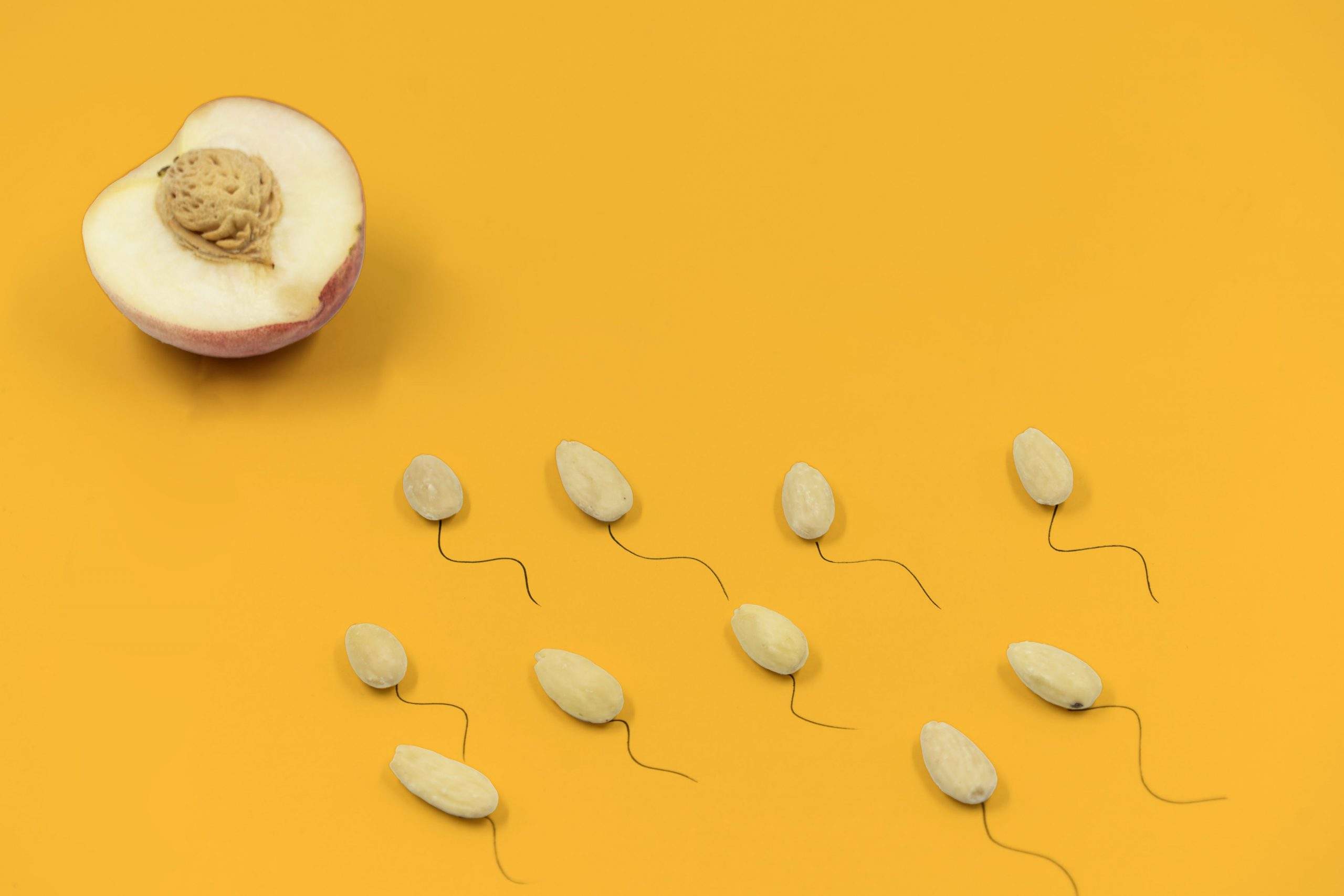
The idea that fertilization is a race among millions of sperm, with the fastest one winning, is widespread, including in cartoons. Scientists increasingly question it, according to a report by the science portal Livescience.com. They explain that sperm are not just fast swimmers: their journey is largely shaped by the female reproductive tract, which transports, directs and, at various stages, selects them.
Only a small share reaches the egg
After ejaculation, sperm must overcome a series of obstacles. Many get no further than the cervix, and only a small portion reach the fallopian tubes, where fertilization usually takes place. Professor David Miller of the University of Illinois, cited by the outlet, says that fewer than 1% of sperm, perhaps only 2–3%, reach the location of the egg.
Movement is not solely the sperm's own effort. Uterine contractions help move fluid and the sperm within it, while in the fallopian tubes fluid flows and other mechanical interactions affect them. The egg does not swim either: tiny hair-like structures called cilia help move it along the tube.
The fastest is not always first
A sperm that quickly reaches the fallopian tube is not necessarily the one that fertilizes the egg. Sperm need time in the female reproductive tract for capacitation, a functional maturation that enables them to fertilize an egg later. Sperm that arrive too early may therefore not be ready, and may be replaced by others that arrive later but are already mature.
Research reviews show that the fallopian tube is a complex environment in which sperm are held back, guided and selected. Some attach to the tube wall and form a reservoir, from which they detach as ovulation approaches. Studies suggest sperm with normal structure and motility may have an advantage.
Near the egg, another complex process begins: the sperm must interact with cells around the egg, pass through its protective layers, and the sperm and egg cells must recognize each other. These mechanisms help ensure that usually only one sperm fuses with the egg.
Fertilization is therefore better seen as a complex process influenced by the entire female reproductive tract, not a sprint. If the race metaphor is kept, it would be a race with many obstacles, a changing course and several checkpoints.