Scientists Crack Nature's Code for Building Better Cancer Drugs
Researchers have discovered how bacteria naturally produce multiple versions of potent anti-cancer drugs using molecular connectors. This breakthrough could accelerate the development of new treatments for hard-to-treat cancers.
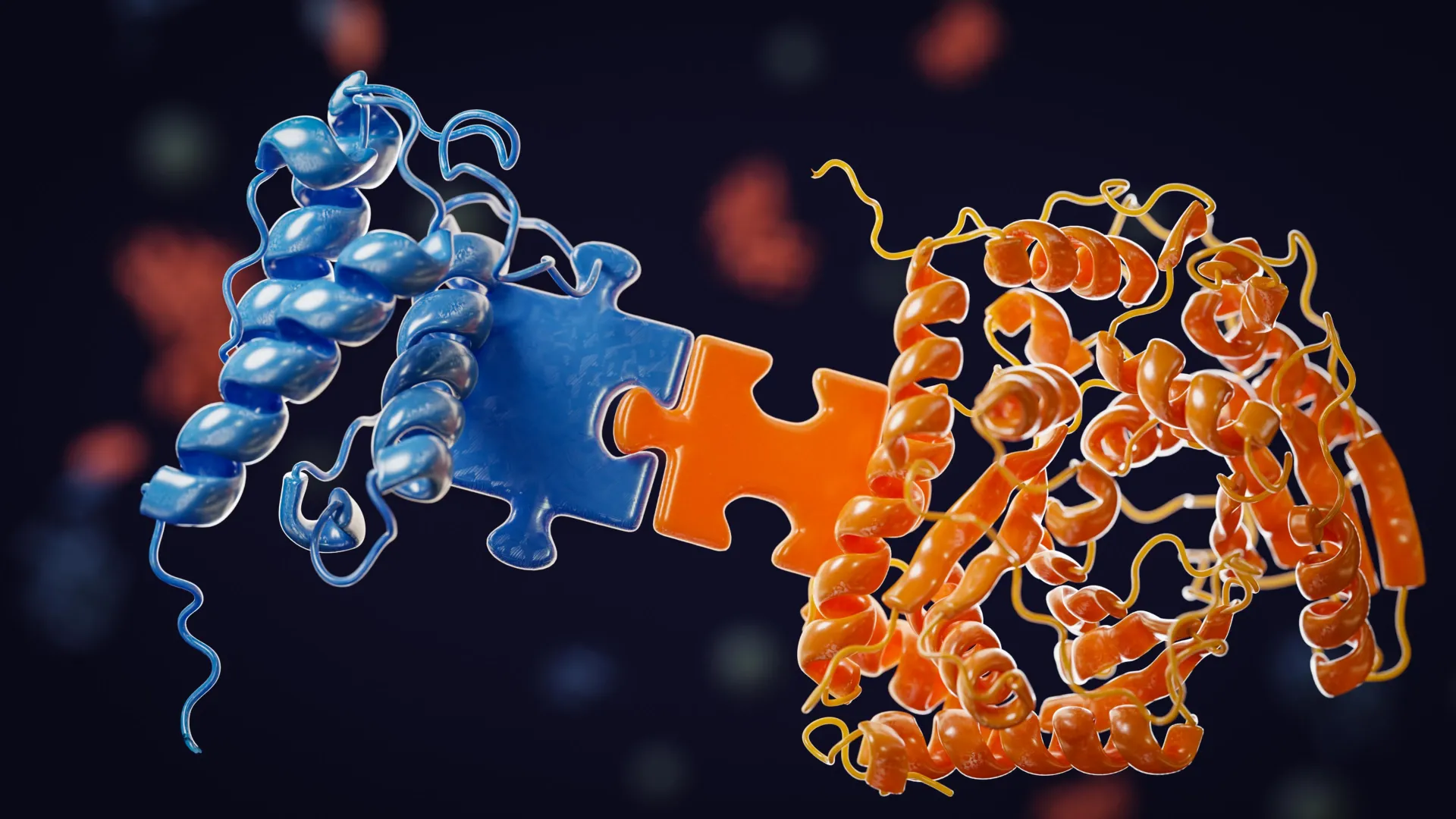
Scientists at the University of Warwick have finally uncovered how bacteria naturally manufacture multiple versions of powerful anti-cancer drugs, solving a decades-old mystery. The study, published in Nature Communications, reveals that bacterial enzymes communicate through small molecular regions called 'docking domains'. These domains act as connectors between the core drug-building machinery and the enzymes that add different components, allowing the creation of a family of closely related compounds.
One member of this family is Romidepsin (Istodax), an FDA-approved drug for certain blood cancers. The researchers also identified the biosynthetic pathway for a related compound, FR-901375, which had been known for decades but whose production mechanism remained elusive. These compounds belong to a class of HDAC inhibitors that block enzymes regulating gene activity in cells.
Inside bacteria, these molecules are assembled by massive protein complexes called PKS-NRPS hybrids. The docking domains ensure that each step in the assembly line recognizes and passes the product to the next, enabling combinatorial biosynthesis. The team used structural biology, biochemistry, genetics, and computational modeling to decode the system, including bioinformatic searches, in vitro reconstitution experiments, AlphaFold modeling, and gene deletion studies.
By reverse-engineering this natural system, the researchers have established a new strategy for designing cancer therapies. "This research gives us a blueprint to do what nature does, but better and faster," said Professor Greg Challis. The team aims to build an expanded library of candidates for various cancers that urgently need new treatments. The discovery could lead to drugs with improved potency, selectivity, and fewer side effects.

/nginx/o/2025/10/07/17194845t1h6142.png)
