Scientists discover hidden 'footprints of death' that may help viruses spread
Researchers at La Trobe University have identified a previously unknown biological process involving cell death that leaves behind so-called "footprints of death." These footprints contain a newly discovered type of extracellular vesicle, which viruses can exploit to spread.
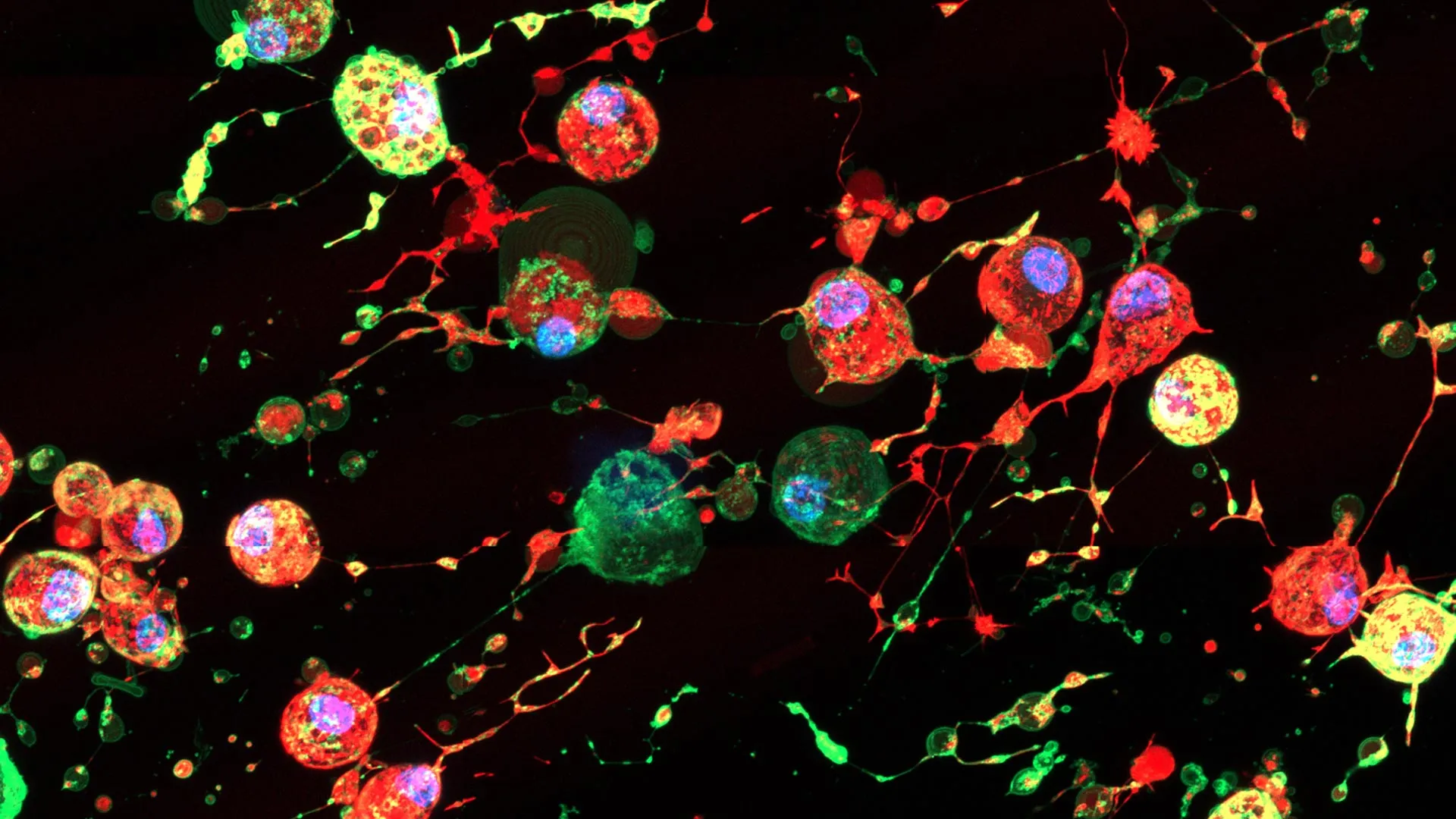
A team of researchers from La Trobe University in Australia has discovered a previously unknown biological process that occurs during cell death, potentially explaining how viruses move through the body. The study, published in Nature Communications, was led by PhD candidate Stephanie Rutter in the laboratory of Professor Ivan Poon at the La Trobe Institute for Molecular Science (LIMS).
The researchers found that dying cells undergo a series of organized changes, leaving behind residue they call "the footprint of death." Within this residue, they identified a new type of extracellular vesicle (EV) named F-ApoEV. These vesicles remain at the site of cell death and act like breadcrumb trails, helping the immune system locate and clear cellular debris to prevent inflammation.
In laboratory experiments with influenza-infected cells, the team discovered that viruses can hide inside F-ApoEVs. This allows viral particles to potentially spread to neighboring cells while remaining concealed within the body's natural disposal process, effectively hijacking the cleanup mechanism.
Professor Poon noted that the findings could open new avenues for developing therapies that harness these steps to help the immune system fight disease. "Billions of cells are programmed to die each day, and until now the fragmentation process was thought to be random and simple," he said. "Our findings show the complexity and importance of each step."
Lead researcher Stephanie Rutter emphasized that the discovery improves understanding of both infectious diseases and autoimmune disorders like Systemic Lupus Erythematosus (SLE). "We saw F-ApoEVs are readily cleared, but we didn't expect viruses could hide in them to cause infection," she said.
Study co-leader Dr. Georgia Atkin-Smith from WEHI added that dying cells can continue to communicate from the grave and may impact immune function. The research was conducted in collaboration with Toronto Metropolitan University in Canada.
/nginx/o/2024/10/09/16406077t1ha0cc.jpg)