Scientists May Have Finally Found How Alzheimer's Kills Brain Cells
Researchers at King's College London have identified a previously unknown process called karyoptosis that may explain how toxic protein buildup leads to neuron death in Alzheimer's disease and frontotemporal dementia, opening new avenues for treatments.
Scientists may have discovered the missing link that explains how brain cells die in Alzheimer's disease and frontotemporal dementia (FTD). The new study, published in Nature Communications, reveals a previously unknown cell death mechanism termed karyoptosis.
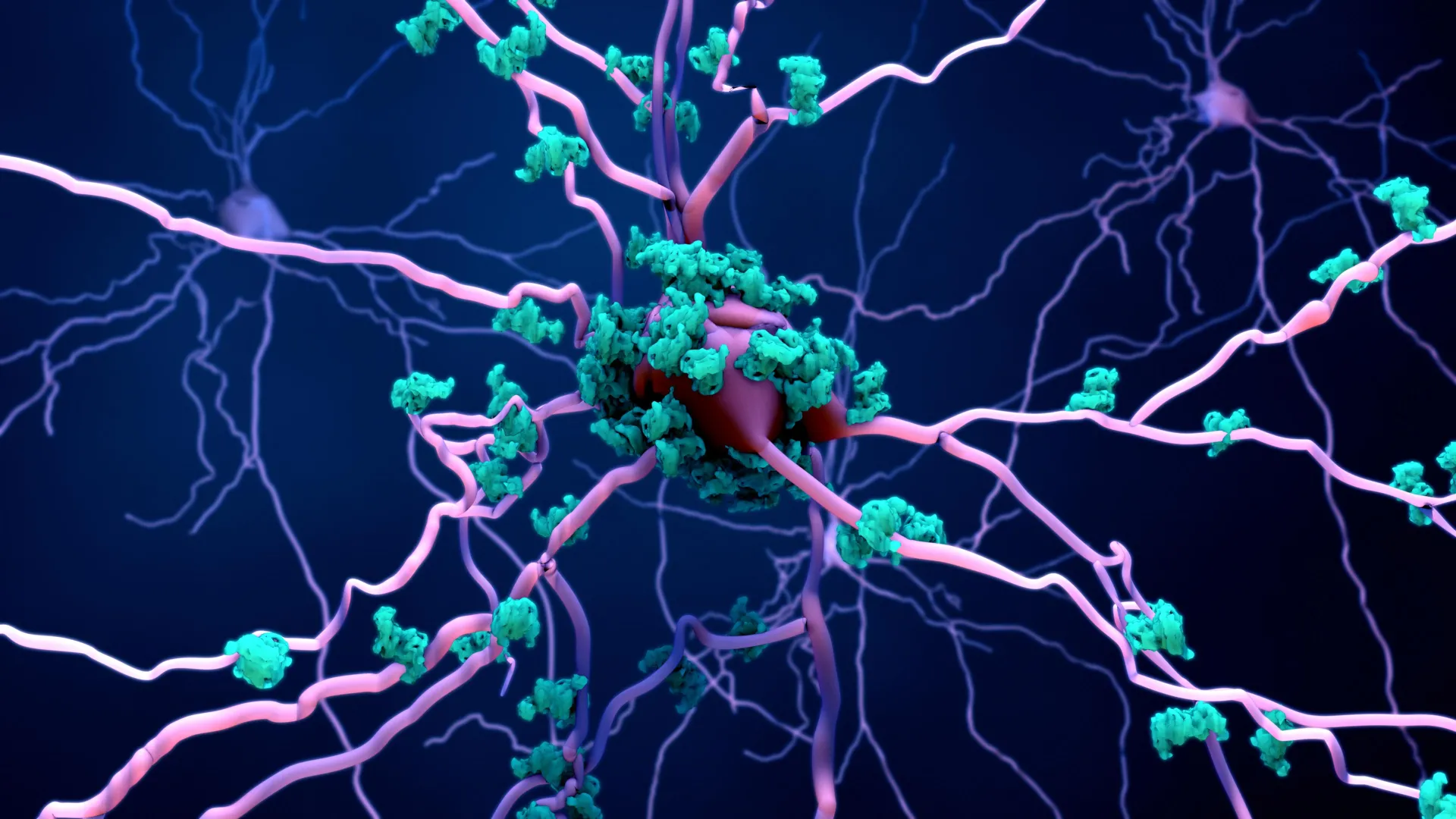
Many neurodegenerative diseases, including Alzheimer's, FTD, and amyotrophic lateral sclerosis, are characterized by the accumulation of harmful proteins inside neurons. Over time, these proteins cause nerve cells to die, leading to memory loss and other symptoms. Although scientists have long known about several forms of cell death, such as apoptosis, these mechanisms have never fully explained the extensive neuron loss observed in these disorders.
Now, researchers from King's College London, in collaboration with the UK Dementia Research Institute and supported by Alzheimer's Research UK, have identified karyoptosis as a potential missing link between toxic protein accumulation and brain cell death. Karyoptosis refers to a series of chemical reactions triggered when toxic proteins build up inside a cell. As the process unfolds, the cell's nucleus, which contains its genetic material, gradually shrivels and eventually disintegrates.
The study analyzed 3,000 brain cells from 28 individuals with either FTD or end-stage Alzheimer's disease. Using computational algorithms, the researchers identified different forms of cell death occurring in the tissue. Signs of karyoptosis were found in 35% of cells from the frontal cortex of people with Alzheimer's, compared to only 15% of cells from healthy older adults.
The researchers also uncovered a key molecular pathway that appears to control karyoptosis. They found that forcing proteins inside neurons to clump together, a hallmark of many neurodegenerative diseases, can trigger this destructive process. The buildup of toxic proteins destabilizes the outer membrane of the nucleus, causing it to shrink and eventually disintegrate. The team then investigated proteins known as kinases, which act as molecular switches in this pathway. In laboratory experiments using rat neurons, blocking these switches reduced markers associated with karyoptosis. In particular, the interaction between the kinase p38 MAP kinase and the protein LaminB1 emerged as a promising target for slowing or preventing nuclear breakdown.
The researchers believe this pathway could eventually lead to therapies that reduce brain cell loss in dementia. Their next goal is to develop ways to selectively target the interaction between p38 MAP kinase and LaminB1 in humans. As Dr. Rebecca Casterton, Senior Researcher at the UK Dementia Research Institute at King's and first author on the paper, noted: "Our study uncovers a new series of chemical events which can coordinate cell death in brain cells. We have started to lay out the road map of how karyoptosis works, and I'm excited to see future breakthroughs this may drive in the dementia research community and beyond."