Gene-Edited Humans: Public and Scientists Move Toward Acceptance, but Ethical Questions Remain
New studies and public opinion polls suggest gene editing in human embryos may soon become a reality, but safety and ethical implications remain central to the debate.
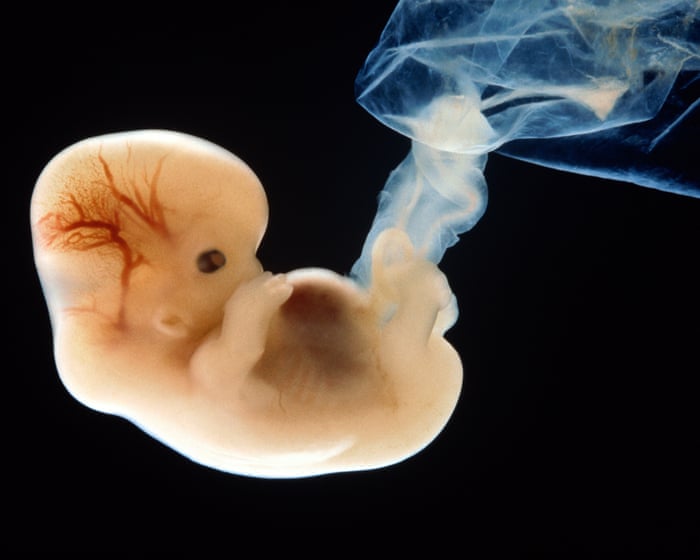
Since the emergence of CRISPR-Cas9 gene-editing technology in the early 2010s, ethical questions about genetically altered humans, so-called designer babies, have become increasingly urgent. Currently, a global prohibition exists: no country allows human germline editing, and 70 countries, including the UK, have laws against it.
However, two new studies using base editing—a more precise next-generation CRISPR tool—on human embryos have advanced the field. While the research is legal as long as embryos are destroyed within 14 days, lead author Dieter Egli stated that the technology is not yet ready for clinical use but that the advances will guide responsible research toward safe and effective application.
Safety concerns form the basis of most laws against gene editing, making them less ironclad than they appear. The influential Nuffield Council on Bioethics holds that human germline editing is not ethically unacceptable in itself, a stance echoed by the US National Academies of Sciences, Engineering, and Medicine. Bioethicist R Alta Charo notes that each technological advance chips away at safety objections, forcing fundamental questions about whether and how the technology should be used.
Public opinion appears to be ahead of scientists. An Ipsos poll for the Progress Educational Trust found that a majority in the UK, Spain, and the Netherlands support gene editing to correct life-threatening conditions like cystic fibrosis, and a plurality support using it for manageable but difficult conditions like asthma (Italy returned a plurality on both questions). Given the strong opposition to IVF research in the 1980s, this shows remarkable trust in science.
Yet human germline editing should not be a fait accompli. Some genetic conditions cannot be treated with existing methods like embryo selection, and if the technology is deemed safe, it should be considered first only in these rare cases. Designer babies are not just a bogeyman: in jurisdictions like the UK, where donor selection in IVF is illegal, some couples go abroad to screen for desirable traits. Worryingly, collaborations between IVF companies and base-editing labs in the US suggest a short leap from medical treatment to on-demand genetic designs.
Any discussion must make clear that while regulation can limit these darker uses, it is unlikely to eliminate them entirely. Human germline editing should remain banned for now on safety grounds alone. But that argument may not always hold, making it time to have the conversation about what happens next.