Scientists develop mice with part-human brains to study neurological disorders
A Stanford University team has implanted lab-grown human brain cells into genetically modified mice to better understand conditions like schizophrenia, epilepsy and cerebral palsy. The approach could open new avenues for treatments in psychiatry and neurology.
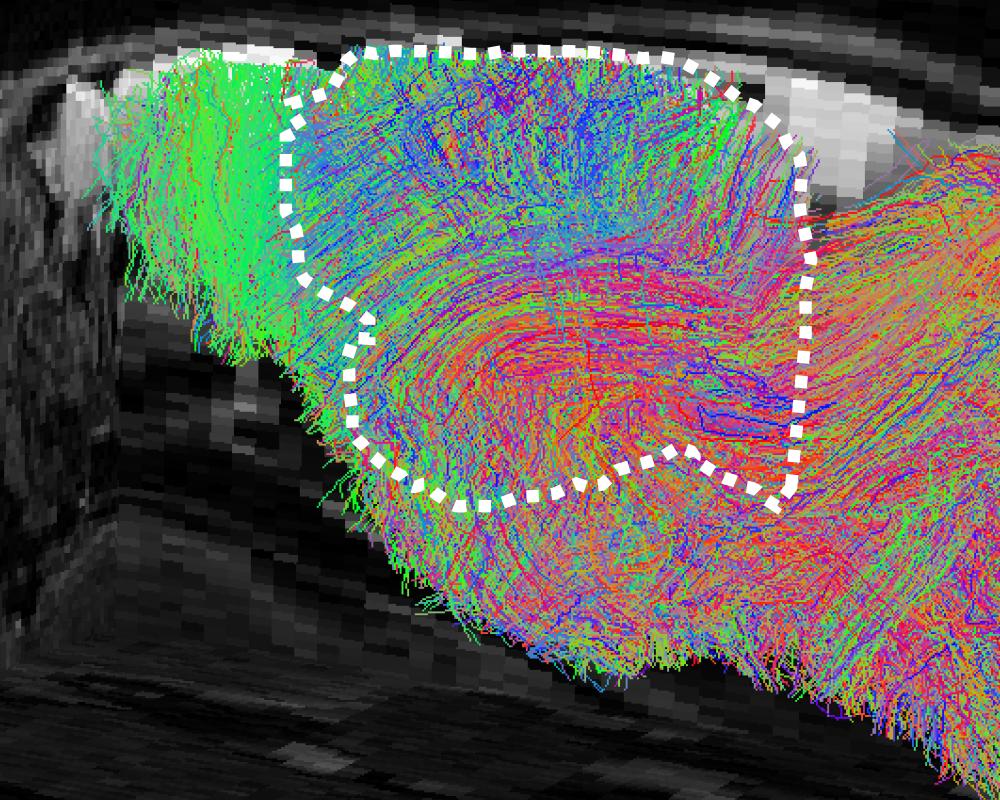
Researchers at Stanford University, led by professor Sergiu Pașca, have created mice whose brains are roughly half composed of human tissue. The goal is to gain insight into disorders such as schizophrenia, epilepsy, cerebral palsy, intellectual disability and rare forms of dementia, and eventually develop new treatments.
The team genetically engineered mice to be born without a cortex or hippocampus, the brain regions responsible for thought and memory. This left space in the animals' skulls for human brain tissue, grown in the lab from reprogrammed skin cells, to grow.
Newborn mice received several injections of human brain cells, totaling about 4 million, replacing roughly 14 million mouse brain cells that were missing. Three months after the procedure, the human tissue had connected to the mouse's blood supply and filled nearly the entire cavity, forming connections with the animal's own brain cells and spinal cord.
Although the human neurons were not organized the same way as in a human brain and the tissue remained immature, the experiments demonstrated the method's potential. When researchers exposed the mice to low oxygen levels, they observed how vulnerable human nerve cells are to oxygen deprivation — a process that can cause cerebral palsy during pregnancy or birth. The tissue also contained rare von Economo neurons, cells linked to frontotemporal dementia.
Pașca noted that psychiatry and neurology have lagged behind other branches of medicine in developing treatments, partly because the human brain is difficult to access for study. The work has raised ethical questions about whether such tissue could become conscious and about the welfare of the animals involved. British experts stressed the need for close monitoring of the mice. Other scientists noted that the field's ultimate aim remains fully lab-grown models that would reduce reliance on animal experiments.
