'Beautiful blobs': Scientists take step toward creating synthetic life with self-reproducing droplets
Researchers have built tiny quivering blobs using lab-made DNA that can feed, grow, and multiply, marking a milestone in synthetic biology.
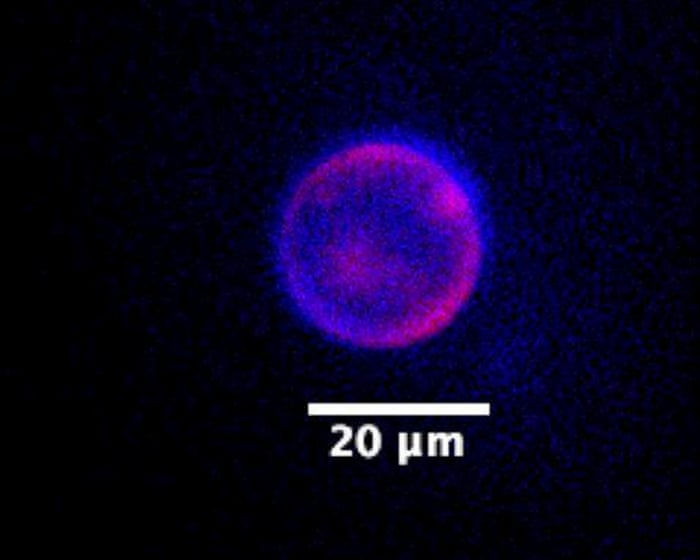
Scientists claim they are edging closer to creating life from scratch after engineering tiny, quivering blobs that use lab-synthesized DNA to feed, grow, and multiply in a dish.
These “beautiful blobs” are made with artificial genetic material that enables them to perform life-like functions – absorbing nutrients, increasing in size, and dividing. The researchers emphasize that this achievement is key to understanding the fundamental principles of life and could eventually lead to fully artificial cells.
In the podcast “It’s Complicated,” journalist Madeleine Finlay, co-host Ian Sample, and Kate Adamala, professor of genetics at the University of Minnesota, discuss the significance of this step and where scientists hope it will lead. Adamala explains that these blobs are not true life but a step closer, potentially helping answer fundamental questions about the origin of life.
The research is still in early stages but has already sparked widespread interest. Future applications could include drug delivery or environmental remediation, but many technical and ethical challenges remain before such synthetic structures can be used in practice.


