Zivtiņš: debate over MPs' salaries misses the real cause of public frustration
Newly elected MP Edmunds Zivtiņš of 'Latvia First' says the dispute over politicians' pay ignores the root cause of public discontent, while also criticizing 'New Unity' for a system it built but can no longer reform.
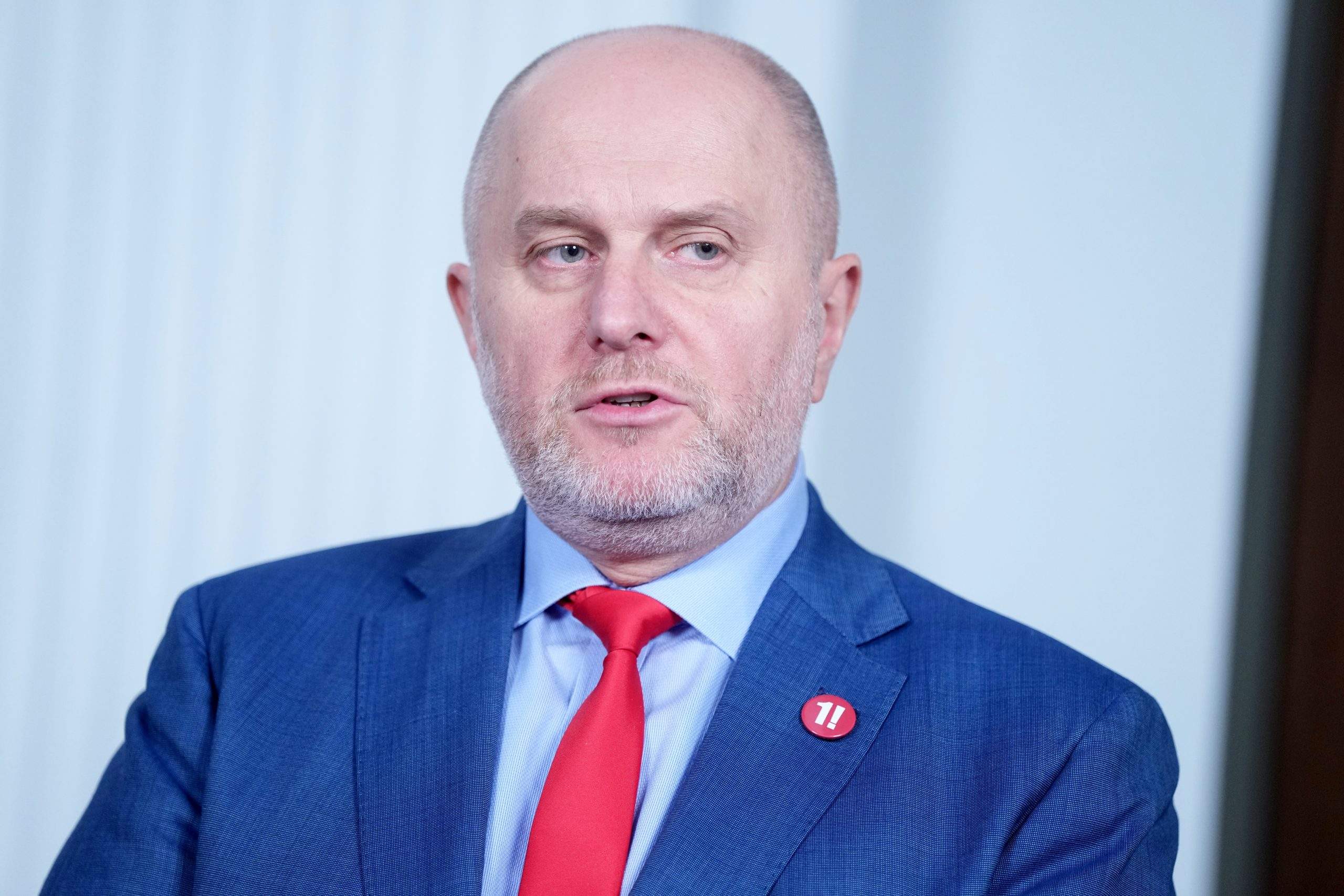
In the aftermath of the 15th Saeima elections, as attention focused on Kulbergs' winning campaign, the other side of the political conversation centered on New Unity's poor results. Edmunds Zivtiņš, a representative of the 'Latvia First' party and a newly elected member of the Saeima, addressed the topic on TV24's election results special broadcast.
Zivtiņš argued that New Unity has, over the years, built a governing system that it now struggles to change itself. In his view, the election outcome shows that a portion of voters recognized this and pushed the party aside politically. He also suggested that New Unity could become a burden for the 'United List' if the two parties were to enter closer cooperation, though he stressed he did not want to interfere in other parties' decisions.
On lawmakers' pay
Turning to the question of MPs' salaries, Zivtiņš said the debate over how large a deputy's pay should be does not address the real source of public dissatisfaction. He noted that any MP who believes their salary is too high can donate part of it to causes such as children, orphans, or their community.
According to Zivtiņš, the actual problem begins when a pensioner can barely make ends meet or a worker's wage fails to cover everyday needs, while at the same time seeing politicians' pay and various compensations. This gap, he said, is what fuels public frustration — if pensions and wages were adequate, politicians' salaries would trouble people far less.
At the same time, Zivtiņš rejected the idea that politicians or other officials in positions of responsibility should receive symbolic or minimal pay. He maintained that if quality work and significant responsibility are expected of someone, they must be compensated accordingly, calling the assumption that people could work better for little or no pay unrealistic.