Ukraine's Armed Forces: trust in the army starts with trust in ourselves
Ukraine's Armed Forces published a reflective statement on society's unity and fatigue after more than four and a half years of full-scale war. It stresses that trust in the military ultimately means trusting oneself and taking responsibility for the country's future.
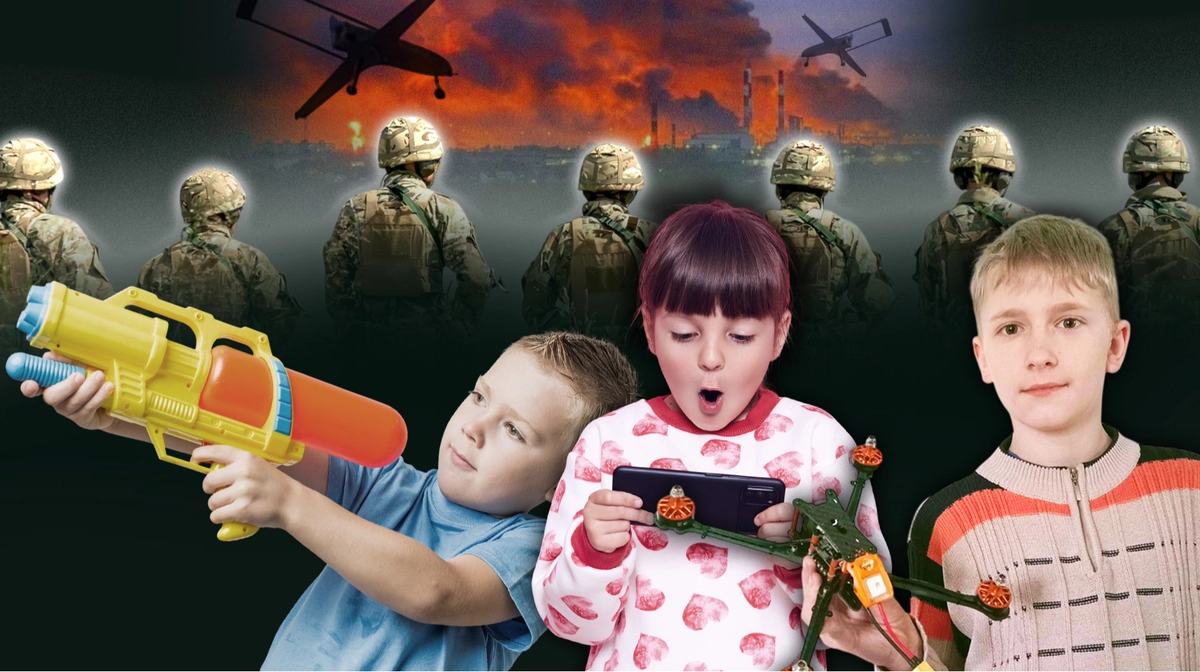
Ukraine's Armed Forces have released an extensive reflective text describing today's Ukrainian society as deeply varied and shaped by different, often painful experiences. It notes that some joined the defense effort as early as 2014, others volunteered in the war's first months, and some only recently ended up defending the country, while some avoid the war altogether. Some sleep safely far from missile range, while others head to shelters almost every night.
The war continues
The text states that after four and a half years of full-scale war, Ukraine has lived through both rapid breakthroughs and deep despair, yet the reality remains unchanged: the war goes on. Russia is described as continuing to terrorize Ukrainian cities and scorch land along the front line. The statement stresses that Ukraine's military does not seek excuses for Russian society's inaction but focuses solely on defending its own country.
Battlefield achievements
The text notes that Ukraine was the first in the world to turn unmanned systems into a full-fledged tool of modern warfare, conducting asymmetric operations in which cheap drones destroy enemy equipment worth billions of dollars. It also states that Russia's total personnel losses exceed 1.47 million people — nearly one in every hundred Russians.
Fatigue and illusions
The statement acknowledges that society is exhausted and sometimes falls hostage to its own illusions, hoping the war will soon end, only to wake again each night to Russian shelling. The authors stress that Russia's proposed formula — surrender, give up land and freedom — is unacceptable to Ukrainians, and that most of society understands occupation means repression and dehumanization.
It concludes that trust in the armed forces ultimately means trust in oneself, and that independence's hardest task may be not only surviving the war but learning to live so that the price paid was not in vain.