UAE economy caught between crisis and recovery amid Iran war fallout
The Iran war has hit the UAE's tourism and hospitality sectors hard, yet officials and economists insist the country's financial fundamentals remain sound.
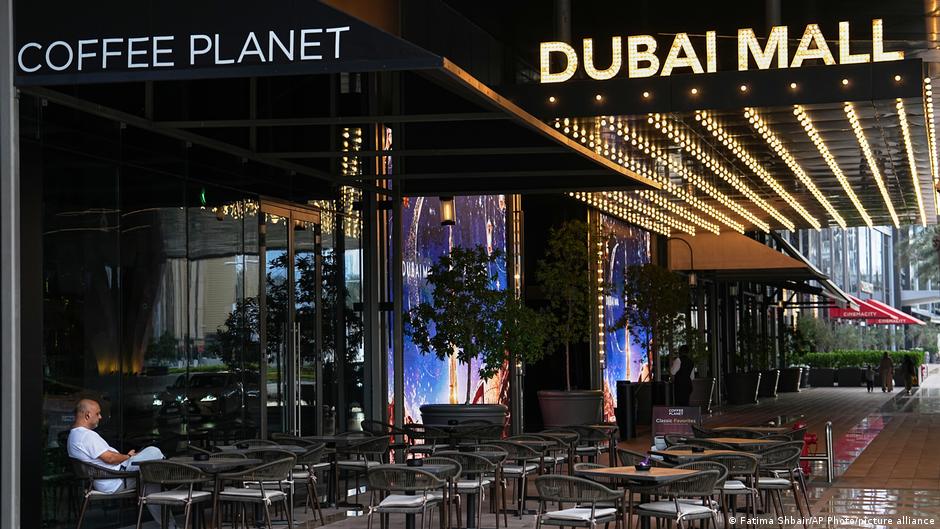
In July, United Arab Emirates authorities unveiled an unusual incentive: residents who could attract tourists to the country between July and October would receive a perks package worth roughly $800. The offer came even as many governments continue advising citizens against travel to the UAE because of the Iran war.
After Israel and the US launched strikes on Iran in late February, Iran retaliated against US allies in the region, including the UAE. Hotel occupancy in Dubai plunged from around 80% to about 10%. Some hotels closed early for planned renovations, while others began offering UAE residents discounts of up to 50% for staycations.
Impact on foreign residents
Of the UAE's roughly 11.8 million residents, up to 10.4 million are non-nationals, ranging from wealthy tax-exempt expatriates to low-paid construction and domestic workers. Many wealthier residents left when Iranian missiles began flying overhead, prompting the UAE to loosen tax-residency rules so they could stay away longer without losing their status. Dubai's airport was struck by a drone in March, and authorities have sought to downplay damage from Iranian missiles.
Lower-paid foreign workers face dwindling job opportunities as tourism and hospitality work dries up, with some reportedly going door-to-door seeking employment. The UAE has rolled out a roughly $680 million support package for affected sectors, including exemptions from municipal fees for hotels, restaurants and some private schools.
Conflicting signals
Analysts expect foreign direct investment to decline and GDP to fall for the first time since the COVID-19 pandemic. Employers are reportedly planning job cuts, and the blockage of the Strait of Hormuz has driven up prices for raw materials and imports.
UAE officials, however, present a different picture. After news emerged that the central bank had sought a currency swap line with the US, the UAE's ambassador to Washington rejected any suggestion the country needed external financial backing, and the UAE Banks Federation chairman said in May there were no concerns about capital flight. Economist Adam Holdstock of Oxford Economics said the swap request likely served as a precautionary backstop rather than a sign of distress, noting that the UAE's monetary base fell 8% in March before stabilizing.
Analysts say the damage is concentrated in retail, transport and tourism, while financial services and government-linked sectors are offsetting losses. Most expect the UAE to recover once the conflict is resolved, citing the country's business-friendly regulation and status as a global aviation hub.


