Adaptive Cruise Control: How It Works and Where Its Limits Lie
Adaptive cruise control relies on a radar and a camera, but works only in favorable conditions and is not a collision-avoidance system. Studies suggest such systems can make drivers behave more recklessly.
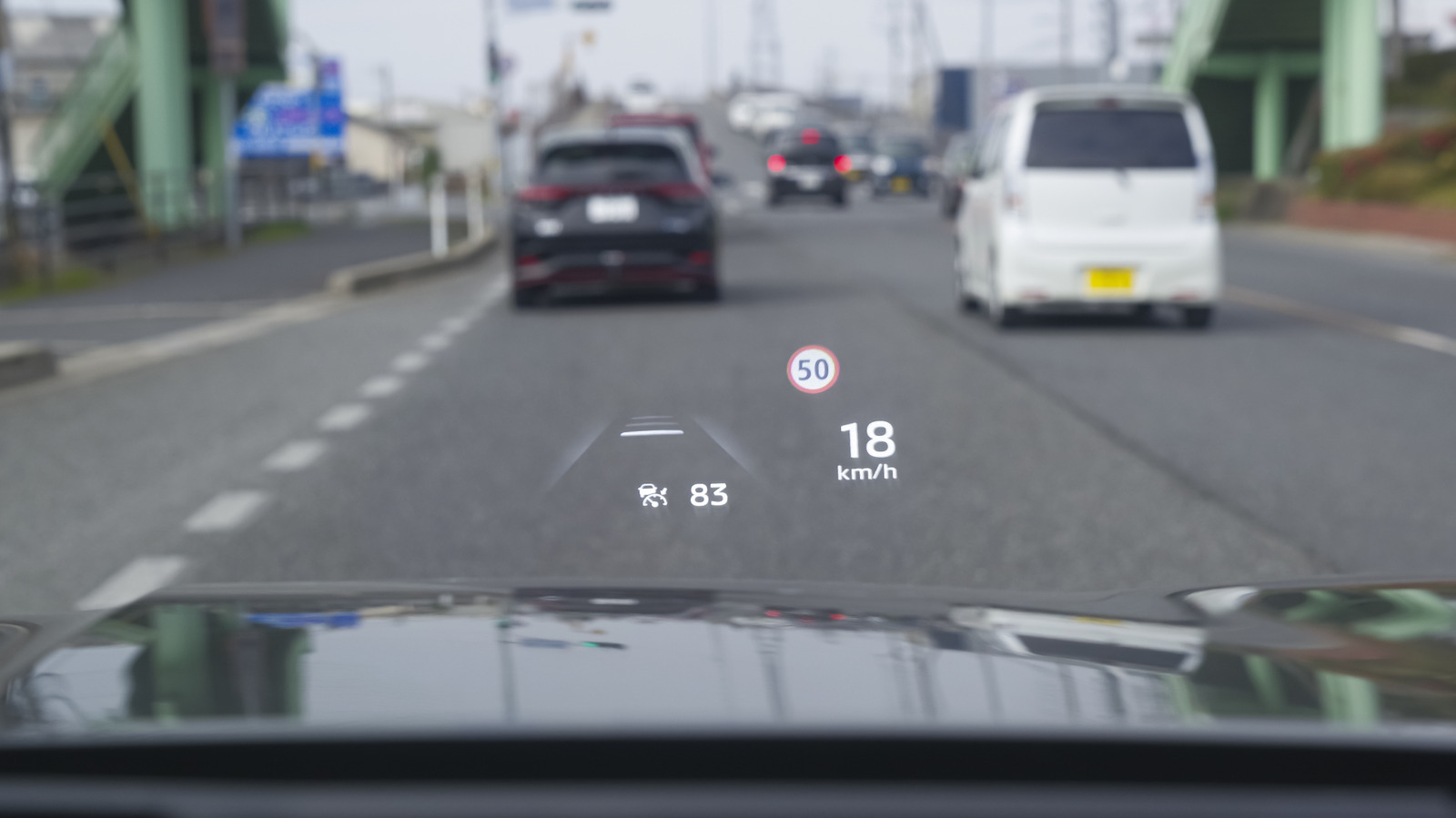
Adaptive cruise control is a driver-assistance feature that automatically adjusts a car's speed to keep a set gap to the vehicle ahead. Tech outlet Engadget explains that for nearly three decades it has rested on a radar in the front of the car, joined in the last decade or so by a camera behind the rearview mirror. It matters because many drivers misunderstand what the system can and cannot do.
How the car "sees"
The radar usually sits low in the front end, behind the emblem or grille. It sends out a radio signal and times the echo, giving both distance and closing speed, even in darkness or fog. That is why number-plate frames, stickers or minor parking bumps can interfere with it.
The camera follows lane markings so the system knows which vehicle to follow and can tell when someone cuts in. In Honda's case, a radar and a camera measure the gap, and the driver can choose one of four following distances.
The hardware has changed little, while software has advanced a lot. Bosch's long-range radar could see about 250 meters in 2014, and its successor sees 530. Ford's BlueCruise uses map data to slow before a bend, and Hyundai's system uses machine learning to copy the driver's style. Honda's Low Speed Follow can stop behind a queue and pull away again.
Limitations
Toyota says its radar cruise control should not be used in rain, fog or snow, on slippery surfaces, in heavy traffic, on sharp bends or down steep hills. Volvo warns that in a heavy downpour its radar's ability to detect the car ahead drops significantly, and that the sensor can be late to spot a car cutting in close.
Volvo's manual also stresses that the system is not collision avoidance: it does not brake for people, animals, bicycles, or oncoming, slow-moving or stationary vehicles.
Driver behavior
The Insurance Institute for Highway Safety (IIHS) and MIT's AgeLab gave 20 volunteers cars for a month. By the end, the group with lane centering as well was more than three times as likely to use a phone or console and 17 times as likely to drive with both hands off the wheel as in week one. An earlier IIHS study found drivers with adaptive cruise on were 24% more likely to speed on highways.