Lawyer: Latvia failing to meet international investment law standards in K2 Ventum case
Lawyer Valts Nerets warns that the Cabinet of Ministers' delay in deciding on the K2 Ventum wind farm project breaches international investment law standards and risks costly litigation. A decision is due by August 31.
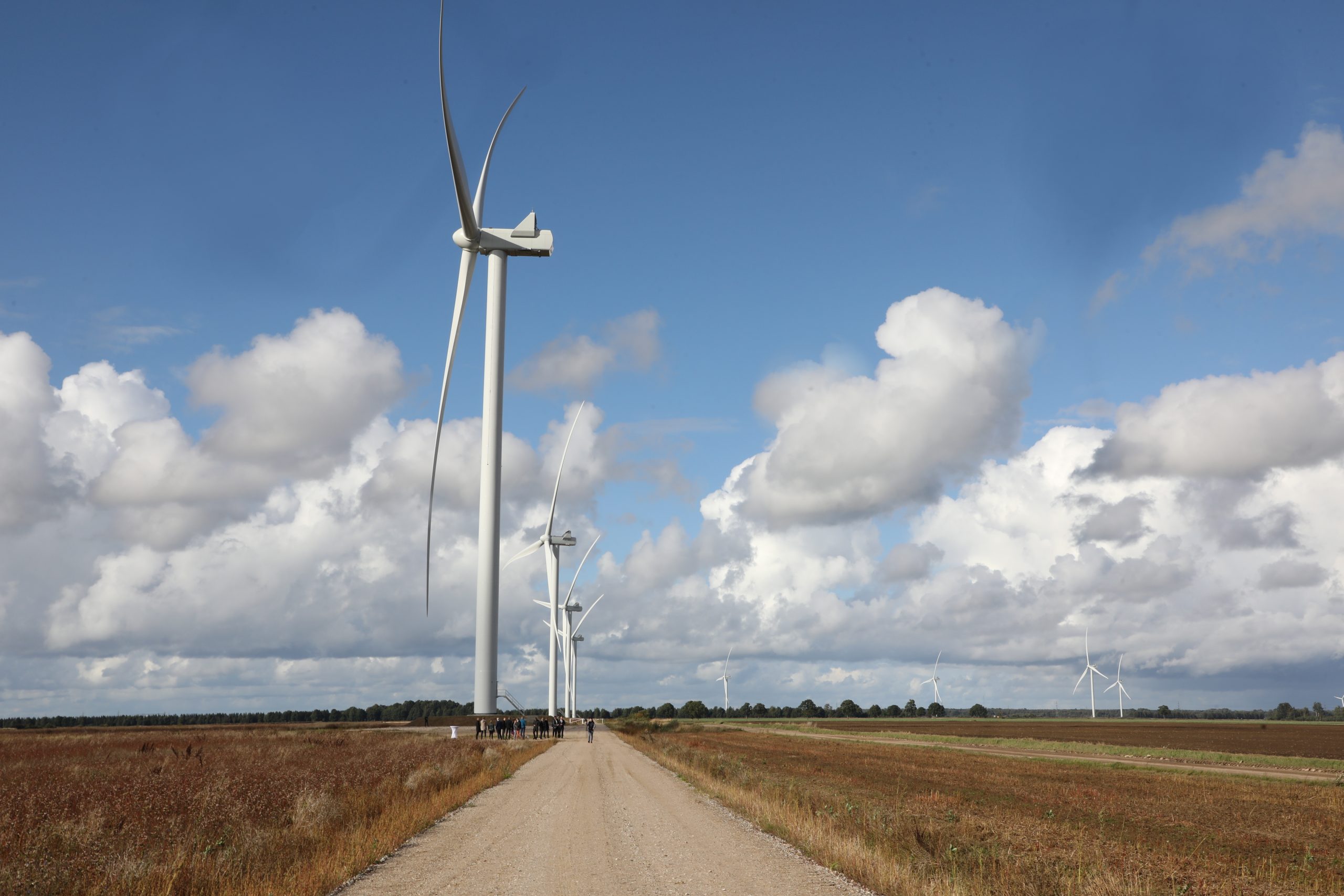
The fate of the K2 Ventum wind farm project has been stuck in the Cabinet of Ministers for more than eight months, even though the law requires a decision by August 31 this year. Valts Nerets, a sworn attorney and partner at Sorainen, says this contradicts the government's own publicly stated priorities on attracting investment.
The project has been advancing in Latvia since 2021, and during that time the investor has received favorable opinions from at least ten different state institutions. However, press reports have suggested the state's position may be shifting, with the final Cabinet decision potentially turning negative.
International legal standards
According to Nerets, Latvia is currently failing to uphold several binding principles of international investment law. One is the standard of fair and equitable treatment, requiring the state to act consistently, transparently and objectively, without arbitrariness or discrimination. Another is full protection and security, meaning a clear legal framework and procedures. This gives rise to the principle of legitimate expectations — an investor in a long-term project, already invested for years, should be able to rely on the state not changing established rules unexpectedly.
Possible litigation
It has been publicly stated that the delay has already cost K2 Ventum around 120 million euros in losses, and the company may take the matter to court. Nerets agrees the risk of international arbitration is real and could cost the state several million euros in litigation expenses. He notes Latvia already faces a case at the International Chamber of Commerce's arbitration court, where a consortium of Spanish companies is claiming more than 14 million euros over a terminated Rail Baltica contract.
The lawyer warns Latvia risks losing not only this project but also future investment in it, estimated at several hundred million euros, undermining the government's goal of matching Lithuania's investment attraction levels by 2029.