AI-altered bird images threaten credibility of citizen science research
Scientists warn that AI-generated or manipulated bird photos on forums can contaminate citizen science databases, hampering research on species distribution.
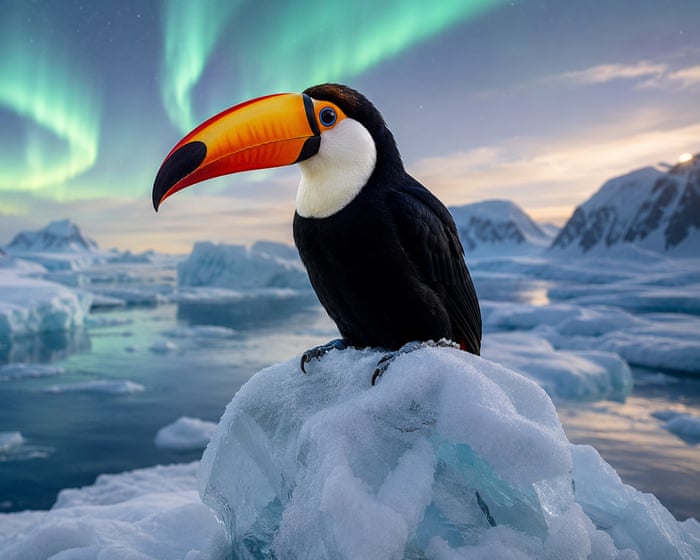
For many birdwatchers, recording a species outside its normal range is the holy grail. However, a new threat has emerged: AI-altered imagery. Scientists are appealing to birders to limit their use of AI when editing images, fearing it could undermine the credibility of citizen science platforms like iNaturalist and the Macaulay Library, which are routinely used in scientific research to monitor species’ habitat ranges.
In a recent commentary in the journal Nature, researchers warned that hundreds of fake images have already been discovered on popular species recording databases. They said the true scale of the issue is unknown, as many could go undetected, and could contaminate public-collected records.
Dr Alexander Lees, an ecologist at Manchester Metropolitan University and author of the commentary, noted that a huge volume of wildlife photos on Facebook are now AI-generated imagery. “The idea that we could maybe use those photos to help us understand where species are in space and time is very difficult,” he said.
Outright hoaxes remain rare and are often easy to spot, but birders often use AI to edit and improve an image, and the algorithm can inadvertently introduce parts from a different bird species. Lees cited the false sighting of a red-winged blackbird in central Brazil—a species normally found in North America. The bird was actually an epaulet oriole, but the photographer asked an AI platform to “make the picture look better,” which then added features of a red-winged blackbird.
“Wildlife photographers can be quite obsessed with getting a beautiful photo, but there’s a risk that the image might actually cause problems down the line when AI has been used to edit it,” said Lees.
Citizen science organizations are still working to understand the scale of the issue. On iNaturalist, only 1,400 of over 610 million images have been flagged for AI use. Tony Iwane, iNaturalist’s director of community support and a co-author on the Nature paper, said most cases are unlikely to be malicious but appealed for vigilance. “The more we know about where species are, the better informed we can be as conservationists. But the information needs to be accurate,” he stressed.