Ewe body condition scoring shapes milk quality and lamb size
Sheep specialist Dr. Nerys Wright says a ewe's body condition score is a key indicator of productivity. It influences milk quality and lamb weights.
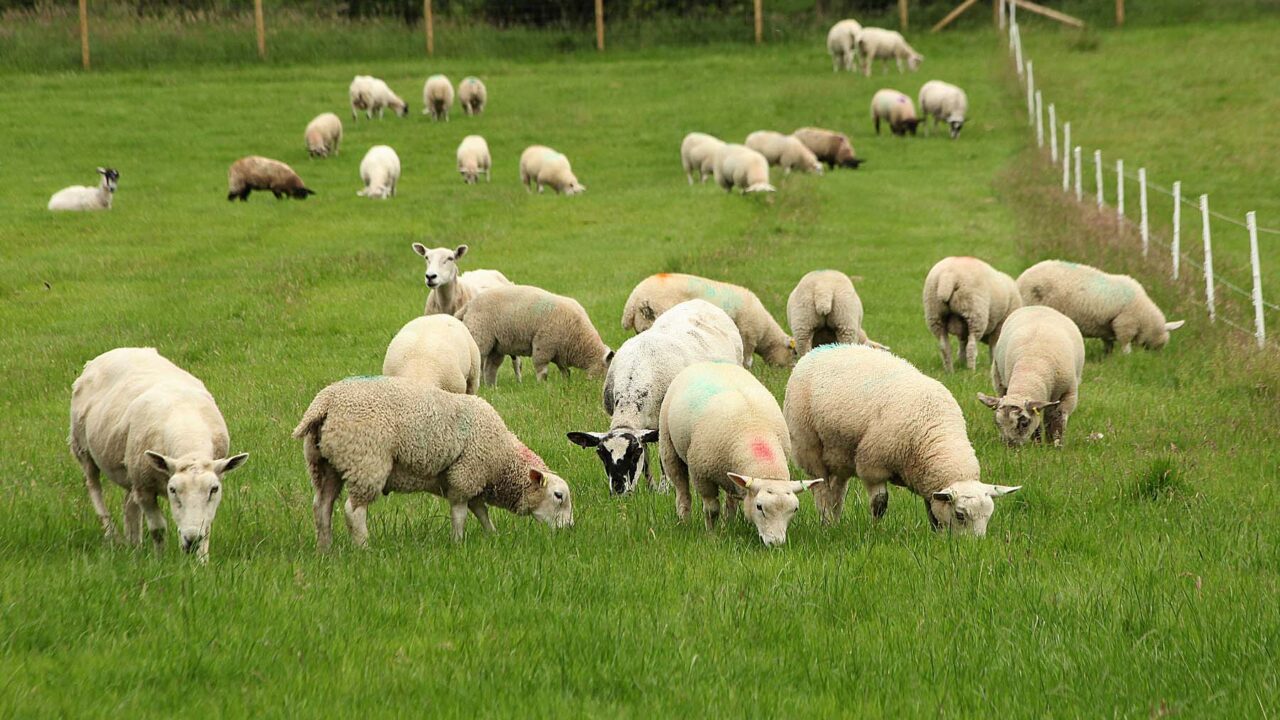
Body condition score (BCS) is the main yardstick of a ewe's productivity, according to sheep specialist Dr. Nerys Wright. She spoke at Flock Focus 2026, an event hosted by AgriSearch in Co. Tyrone, Northern Ireland, which dealt with sheep nutrition for farmers.
What BCS means
BCS describes the amount of fat cover between the skin and along the spine and the transverse processes. It is usually rated on a scale from one (emaciated) to five (obese).
Wright said extreme scores can be spotted by eye, but otherwise the animal must be handled. Scoring works only if the ewe stands still on all four feet and the hand is placed on the same part of the body each time. The process is subjective, though experience brings meaningful results. Scores below two and above four should always be avoided.
Link to performance
BCS reflects the nutritional reserves a ewe can draw on from within her own body. Research has shown it correlates with several key performance measures: colostrum quality, the ability to produce good milk consistently over time, and lambs' weights at eight weeks.
For lowland ewes, BCS should be held at 3.5 from tupping through to lambing. For hill flocks the figure can be half a point lower.
Feeding after weaning
A ewe's energy needs peak while she is rearing lambs, because she is producing milk, and flock feeding strategies should reflect this. Ewes nearly always lose condition before weaning, but lowland ewes must be back at 3.5 by tupping.
This can be done on good grass in six to eight weeks after weaning, with extra supplements if required. If the target is missed at tupping, litter size and lamb weights will suffer in the next breeding cycle.
Wright recommends scoring ewes regularly, but stressed that the information must be used effectively if it is to improve overall flock performance.