ANU academics decry 'hysterical' response to student AI cheating as universities rush to secure assessments
The Australian National University faces criticism for rushed and potentially exclusionary measures against AI cheating, while other institutions scramble to implement secure assessment methods amid widespread student AI use.
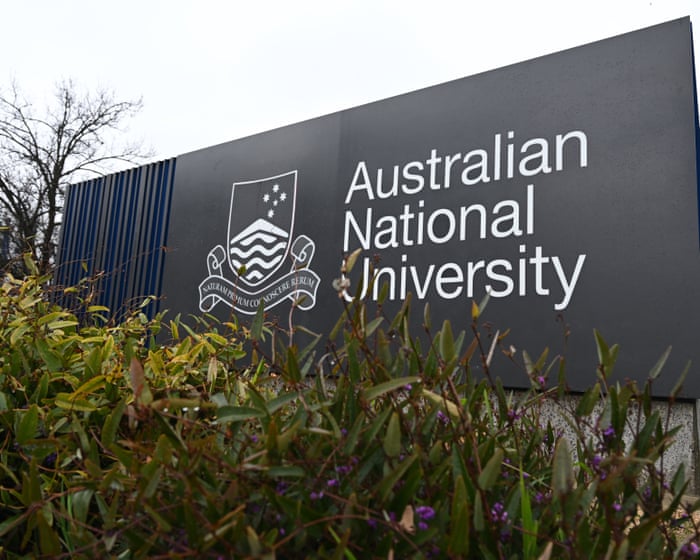
Academics at the Australian National University (ANU) have sharply criticized the institution's approach to combating student use of artificial intelligence (AI) for cheating, calling it "hysterical" and reactionary. As universities across Australia rush to shore up the credibility of assessments, warnings have emerged that hasty decisions could undermine inclusive education and even the country's intellectual capacity.
According to the 2025 Australian Digital Inclusion Index, 78.9% of secondary and tertiary students use generative AI. In response, ANU has released a consultation paper with three options, including classifying assessments as "secure" – completely free from AI cheating risk – or "insecure". Another option would require students to declare in which stages of an assessment AI was used.
One ANU academic, who supported the university's moves, admitted the process across the sector had been "panicked", aggravated by a lack of resources to support teaching. Another academic was more critical, claiming the university had not consulted adequately and that proposals could unwind progress in making assessments inclusive for students with disabilities or caring responsibilities. "This is not an earnest consultation, this is a reactionary response, perhaps one would argue a hysterical response," they said.
ANU law professor Will Bateman, who leads research on AI regulation, stressed that combating AI infiltration in universities is critical to prevent shifting intellectual capability overseas. "If we don’t address the erosion of the norms and rigour in our education created by AI, we are just shipping our national intellectual capability to companies in California and China," he warned. Bateman added that securing assessments does not mean all exams must be in person, but requires serious investment in fully-secure devices.
The University of Queensland (UQ) began implementing new policies to "secure" its assessments earlier this year but drew criticism for scheduling in-person oral assessments during night hours and over weekends. Deputy vice-chancellor Kris Ryan defended the approach, noting that work on AI responses began in 2023, but implementation takes time. He acknowledged a shift toward more traditional exams and stressed the need to assure the community of graduates' capabilities.
The University of Melbourne is also moving towards "secure" assessments, including more interactive oral exams. Deputy vice-chancellor Professor Gregor Kennedy said the university is transforming its assessment approach to ensure integrity and verify students' work. Meanwhile, Barney Glover, head of the new Australian Tertiary Education Commission, warned that universities will need to be "really responsible" in how they use or restrict AI, but expressed confidence that Australia's tertiary education system will adapt despite the challenges.