Argentine startup BioClé develops bacterial vesicles to deliver bioactives into gut cells
Argentine startup BioClé uses vesicles made by a genetically engineered probiotic to carry nutritional bioactives directly into intestinal cells. The technology is at an early stage, with human trials targeted for 2027.
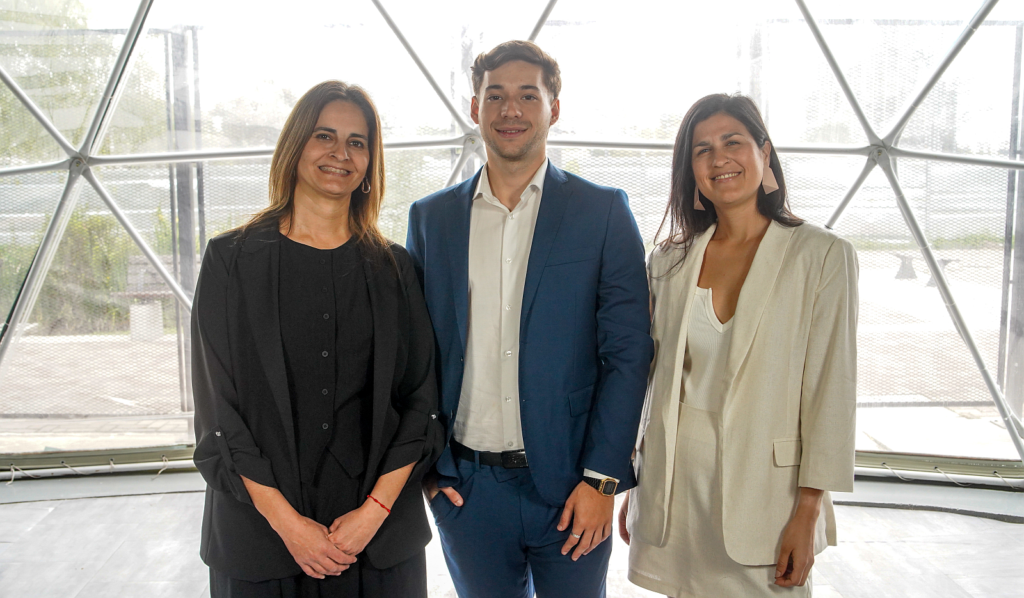
Argentina-based startup BioClé is developing a new delivery system for dietary supplements and functional foods. It aims to protect bioactive compounds from breaking down in the digestive tract and bring them into target cells. The technology relies on bacterial extracellular vesicles (bEVs), tiny membrane-bound particles with a natural affinity for intestinal cells. Chief executive Juan Cassini says the approach could also be applied in pharmaceuticals for targeted drug delivery.
How it works
Most bacteria produce such vesicles, but BioClé has genetically engineered a probiotic strain already used in food to greatly increase output. The particles typically measure 200–300 nanometers across. According to Cassini, unlike capsules, liposomes or nanoparticles, which release their cargo in the gut, these vesicles are taken up by intestinal cells and release their contents inside. The company is pursuing two loading methods: the bacteria either produce the compound themselves, or compounds made elsewhere are loaded from outside.
The vesicles are separated from the fermentation broth by filtration and centrifugation, then processed into liquid or dried ingredients. In freeze-dried form they have stayed stable for at least six months at ambient temperature.
Starting with butyrate
The first compound is butyrate, a short-chain fatty acid associated with gut health. Existing products can suffer from sensory problems and poor bioavailability. Cassini claims in vivo efficacy was more than double that of the free compound at the same dose. The company has also loaded peptides into the vesicles.
Early stage and plans
The technology has so far been tested in vitro on human cells, and mouse study results are due in December. Cassini hopes to run human trials with commercial partners in 2027. Founded in October 2025, BioClé has raised $500,000 in pre-seed funding from Big Idea Ventures and GridX. It is targeting the US market first and plans to license the technology to ingredient suppliers for upfront fees and royalties. It is in talks with Nestlé and Givaudan and has signed a first material transfer agreement with an unnamed US company.